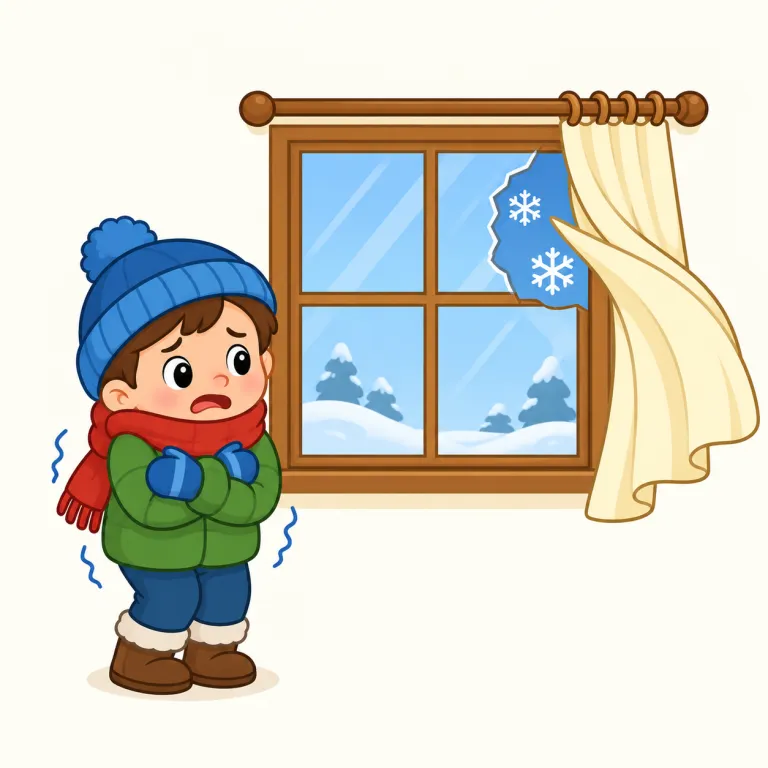
壊れた
解説 Definition
「壊れた」は、物や機械などが正常に機能しなくなった状態を表す形容詞です。物理的な損傷だけでなく、関係や約束などが崩れた状態にも使われます。修理や修復が必要な状態を示す言葉です。
Damaged, separated into pieces, or no longer able to work properly. It can also describe something nonphysical, such as a promise, relationship, or system, that has failed or lost its intended condition.
覚え方のコツ Memory Tip
break「壊す・壊れる」の不規則な過去分詞で、変化はbreak–broke–broken。形容詞ではbroken windowやbroken bicycleのように「壊れて機能しない」、broken friendshipのように「関係が崩れた」を表す。「壊す動作」より、その結果として残った状態に注目して覚える。
Learn broken as part of the irregular pattern break–broke–broken. Broke is the usual simple past, while broken is the past participle and is also commonly used as an adjective. A broken window, bicycle, or machine has been damaged and may not work; a broken friendship or promise has failed in a figurative sense. Focus on the resulting condition rather than the act of causing damage. Unlike cracked, broken often suggests serious damage or complete loss of function.
例文
The broken window let in the cold air.
壊れた窓から冷たい空気が入ってきた。
He tried to fix the broken bicycle himself.
彼は自分で壊れた自転車を修理しようとした。
Their broken friendship was hard to repair.
壊れた友情を修復するのは難しかった。
broken の類義語・関連語
派生語
紛らわしい語
broken の語源・成り立ち Etymology
古英語「brecan(壊す)」の過去分詞形で、ゲルマン祖語「*brekaną」に由来する。印欧祖語の語根「*bhreg-(砕く)」が起源で、ラテン語のfrangere(壊す)→fragment(破片)とも遠い同根関係にある。
Broken is the past participle of break, inherited from Old English brecan, “to break or shatter.” The verb comes from Proto-Germanic brekaną and is associated with the Indo-European root often reconstructed as bhreg-, “to break.” Related forms appear across Germanic languages. A more distant historical connection is found in Latin frangere, “to break,” the source of English words such as fragment and fracture.
同じレベルの語彙をもっと
外部辞書で調べる
この英単語をクイズで覚えよう