
challenge
challenge はTOEIC 600レベルの英単語で、「(決定や主張に)異議を唱える、疑問を呈する、挑戦する、挑む、試す、難題を与える」という意味があります。発音記号は /ˈtʃælɪndʒ/ です。
(決定や主張に)異議を唱える、疑問を呈する
解説 Definition
challenge が動詞で使われると、相手の主張や決定、提示された事実の正当性に疑問を投げかけ、異議を唱えることを指します。単に反対するだけでなく、証拠や根拠を示しながら争う含みがあり、法廷や議論、公的手続きなどでよく使われます。
To challenge means to question whether something is right, true, or fair, or to oppose it openly. It is often used for ideas, decisions, rules, or statements. The word can suggest strong disagreement, but it does not always mean direct conflict.
覚え方のコツ Memory Tip
challenge は名詞の「難題・挑戦」を知っていれば、動詞でも「その主張を勝負の場に引っぱり出す」感覚で覚えると定着します。つまり、決定や説明をそのまま受け入れず、「本当に正しいのか」と問い直すこと。challenge a decision / challenge a claim / challenge the evidence が典型です。disagree より強く、question よりも争う感じがあり、根拠や証拠を伴って妥当性を問う語。法廷・議論・報道でよく見ます。
Think of a challenge as something you put to a test. With challenge a decision, challenge a claim, or challenge the evidence, you are testing whether it can stand up to facts and reasons. It is stronger than disagree and more forceful than simply question.
例文
I challenge his answer.
私は彼の答えに異議を唱えます。
She challenges the rule.
彼女はその決まりに異議を唱えます。
They challenge my story.
彼らは私の話に疑問を呈します。
挑戦する、挑む
(意味 2)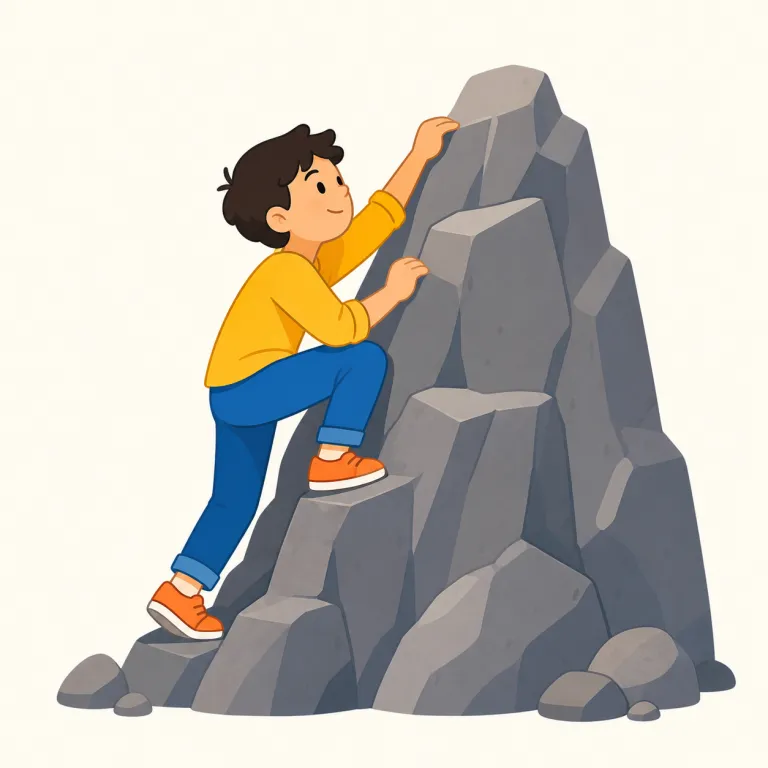
解説 Definition
難しい課題や強い相手に立ち向かおうとするときの語です。試合・記録・新しい分野などに、成功が確実でなくても自分から進んで挑む場面で使われます。逃げずに力を試し、成長や達成を目指す前向きな響きがあります。
To compete against a strong opponent or push yourself to attempt something difficult. It involves willingly putting your abilities to the test, even when success is uncertain.
覚え方のコツ Memory Tip
challenge は名詞の「難題・挑戦」を知っていれば、動詞でも「自分や相手を勝負の場に出す」感覚で覚えると定着します。challenge yourself なら、自分を楽な場所から出して力を試すこと。challenge the champions なら、強い相手に正面から挑むことです。challenge a decision のような「異議を唱える」と違い、この語義では疑って反論するより、困難や相手に向かっていく前向きな動きが中心です。
Picture bringing yourself or an opponent into a contest. Challenge yourself means pushing beyond what feels easy, while challenge the champions means taking on strong opponents.
例文
She wants to challenge herself by running a marathon.
彼女はマラソンに出て自分に挑戦したいと思っている。
Our team challenged the best team.
私たちのチームは最強のチームに挑みました。
He challenged the world record yesterday.
彼は昨日、世界記録に挑みました。
えいたんごクイズでの正答率
この語をはじめて出題された 45人 のうち 43人 が正解しました(96%)。
えいたんごクイズの回答から集計した独自データです。1人につき最初に出題されたときの1回だけを数えており、復習や2回目以降の回答、「わからない」と時間切れは含みません。 集計時点は 2026年9月19日 です。
試す、難題を与える
(意味 3)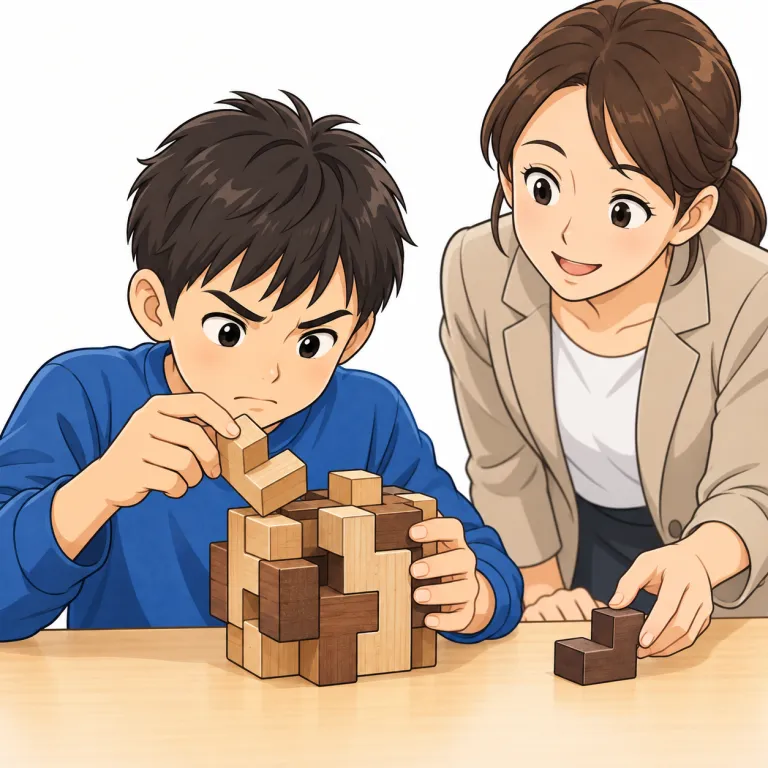
解説 Definition
人の能力・理解・忍耐などを試すときの語です。授業、仕事、問題、状況などが人を苦しめたり、本当の実力を出させたりする文脈で使われます。簡単ではなく、努力や工夫を求めるきびしい含みがあります。
To test someone's abilities, understanding, or patience by demanding considerable effort. A difficult task or situation can do this by requiring someone to use their skills fully.
覚え方のコツ Memory Tip
challenge は「難題・挑戦」を人にぶつける動詞として覚えると、この語義が取りやすいです。This problem will challenge students. なら、問題が生徒を勝負の場に立たせ、理解力を試す感じ。challenge my stamina なら、長い道のりが持久力を引き出して試すことです。challenge a claim のように主張へ異議を唱える語義とは違い、ここでは人の能力・忍耐・工夫を試す厳しさが中心です。
Picture a difficult problem placing a demanding task in front of someone. This problem will challenge students means it will test their understanding. Connect challenge my stamina with an activity that makes you work hard to keep going.
例文
This math problem will challenge most students.
この数学の問題はたいていの生徒を悩ませるだろう。
The hard test challenged my skills.
その難しいテストは私の力を試しました。
This game challenges good players.
このゲームは上手な選手の力も試します。
challenge の類義語・関連語
類義語
対義語
紛らわしい語
challenge の語源・成り立ち Etymology
challenge は古フランス語 chalenge を経て、ラテン語 calumnia「言いがかり・告発」に由来します。calumny と同根で、もとは相手に異議を突きつけて争う感じだったため、「挑戦する」という意味に広がったと理解できます。
"Challenge" came through Old French "chalenge" from Latin "calumnia," meaning accusation or false charge. It is related to the English word "calumny." The early idea was to call someone out or make a claim against them, and this later widened into the sense of inviting or forcing someone into a contest or test.
同じレベルの語彙をもっと
TOEIC 600の一覧へ →外部辞書で調べる
この英単語をクイズで覚えよう