calumny
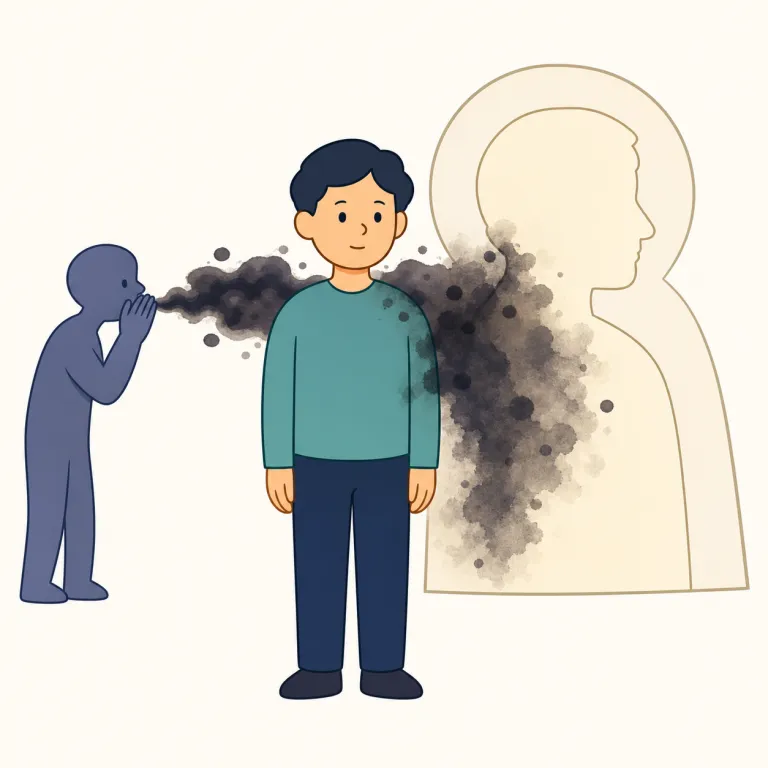
calumny は英検1級レベルの英単語で、「中傷」という意味があります。発音記号は /ˈkæləmni/ です。
中傷
解説 Definition
虚偽の非難。または根拠のない悪口。
Calumny is a false and harmful statement made to damage someone's reputation. It is a formal word, often used in serious, legal, or literary contexts when talking about unfair personal attacks.
覚え方のコツ Memory Tip
まず slander(口頭の中傷)や libel(文書での名誉毀損)を知っているなら、calumny はそれらに近い、少し硬めの「虚偽を含む中傷」と置くと覚えやすいです。単なる criticism や insult ではなく、事実をねじ曲げて相手の評判を落とす点が核心。false accusation, malicious rumor と結び付け、spread calumny / repeat calumny の形で場面ごと覚えると定着します。動詞 calumniate とセットで、calumny はその名詞形だと押さえると混乱しません。
Connect `calumny` with stronger words like `slander`, `libel`, or `false accusation`. It sounds formal, so it often appears in serious writing about damaging someone's reputation. Remember the pair `calumny` and `calumniate` to keep the noun and verb together.
例文
The calumny against him was false.
彼に対する中傷は虚偽であった。
Spreading calumny is unethical.
中傷を広げることは非倫理的である。
The calumny damaged his reputation.
中傷は彼の評判を傷つけた。
calumny の類義語・関連語
calumny の語源・成り立ち Etymology
calumny はラテン語 calumnia「虚偽の訴え・中傷」に由来し、分解しにくい語ですが、語全体で「事実をゆがめて人を悪く言うこと」を表します。英語の calumniate も同根で、単なる悪口より「でっち上げを伴う非難」だと分かると意味がつかみやすいです。
Calumny comes from Latin calumnia, meaning false accusation or trickery in a legal or public setting. In English, the word kept that strong sense of damaging someone through invented or twisted claims. It is related to calumniate, which is the verb form. The history suggests not just criticism, but blame built on falsehood.
同じレベルの語彙をもっと
英検1級の一覧へ →外部辞書で調べる
この英単語をクイズで覚えよう