えいたんごクイズ

defamation

/ˌdɛfəˈmeɪʃən/

defamation は英検1級レベルの英単語で、「中傷、名誉毀損、誹謗」という意味があります。発音記号は /ˌdɛfəˈmeɪʃən/ です。

意味一覧 (4件)

noun

中傷ちゅうしょう

解説 Definition

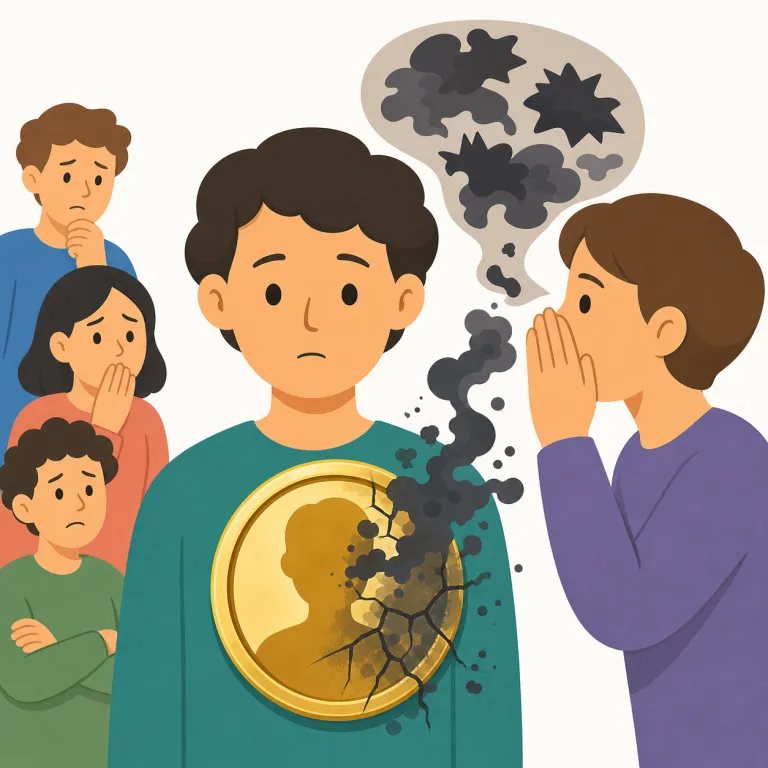
defamationは、人や団体の評判を傷つけるような悪意ある発言や文章を指します。日常会話よりはニュース、SNS、議論の場などで、事実に反する悪評を広める行為について使われます。

Defamation is the act of saying or writing harmful things about a person or group that damage their reputation. It is often used when the information is false or unfair, especially in news reports, online posts, or public arguments. Compared with a simple insult, defamation has a stronger sense of spreading bad claims to other people and can also be a legal issue.

覚え方のコツ Memory Tip

defamationの中心には fame(名声)が見える。de- は「下げる・悪くする」と考えると、de-fame で「名声を傷つける」、-ation でその行為という流れになる。insult はその場の侮辱にも使えるが、defamation は相手の評判を落とす内容を人に広める感じが強い。legal な「名誉毀損」用法もあるが、まずはSNSや記事での「中傷」と結びつけると覚えやすい。

You can see fame inside defamation. If you think of de- as "down" or "make worse," defamation becomes something like "bringing down someone's fame," and -ation turns it into the act itself. Unlike insult, which can be a direct rude comment, defamation usually means spreading words that damage someone's reputation.

例文

The actor filed a lawsuit for defamation after false rumors spread online.

その俳優は、ネットでうそのうわさが広まったあと、中傷で訴訟を起こした。

Posting defamation on social media can seriously harm someone's career.

SNSに中傷を書き込むと、誰かの仕事や評判に深刻な被害を与えることがある。

The article was criticized as defamation because it attacked her reputation without clear evidence.

その記事は、はっきりした証拠もなく彼女の評判を傷つけたため、中傷だと批判された。

noun

名誉毀損めいよきそん

(意味 2)

解説 Definition

虚偽の言論により他人の名誉や評判を傷つけることや行為。嘘の情報を広めて誰かを貶める行為。

例文

She was sued for defamation after publishing false information about her former employer.

彼女は前の雇用主についての虚偽の情報を公開した後、名誉毀損で訴えられました。

He committed defamation by spreading false rumors about his rival.

彼はライバルについての虚偽のうわさを広めることで名誉毀損を犯しました。

The victim of defamation decided to take legal action against the publication.

名誉毀損の被害者は、その出版物に対して法的措置を講じることを決定しました。

noun

名誉毀損めいよきそん

(意味 3)

解説 Definition

defamationは他人の名誉や評判を傷つけるような虚偽の発言や行為を指す法律用語です。書面による場合をlibel、口頭による場合をslanderと呼び分けることもあります。名誉毀損は多くの国で法的に訴えることができる行為です。

Defamation is the act of harming someone's reputation by saying or writing false things about them. The word is often used in legal and media contexts. It usually refers to serious false statements, not just criticism or opinion.

覚え方のコツ Memory Tip

defamation は fame「名声」に de- が付いて、名声を下げたり傷つけたりする行為と考えると覚えやすいです。法律・ニュースでは defamation lawsuit「名誉毀損訴訟」、sue for defamation「名誉毀損で訴える」の形でよく出ます。虚偽の発言・記事・投稿によって人や団体の評判が害され、法的責任が問題になる場面に結びつけましょう。

Notice `fame` inside `defamation`. It is about damaging someone's good name or public reputation. In news and legal English, learn it with phrases like `defamation lawsuit` and `sue for defamation`.

例文

The journalist was sued for defamation after publishing false information about the politician.

そのジャーナリストは政治家についての虚偽情報を掲載したとして名誉毀損で訴えられました。

Spreading lies about someone online can be considered defamation.

オンラインで誰かについての嘘を広めることは名誉毀損とみなされる場合があります。

The company filed a defamation lawsuit against the former employee.

その会社は元従業員に対して名誉毀損訴訟を起こしました。

noun

誹謗ひぼう

(意味 4)

解説 Definition

他人の評判を傷つけるための虚偽の言明や陳述。その行為またはそのような陳述を指す。

例文

The defamation lawsuit sought damages for the false statements.

誹謗訴訟は虚偽の声明に対する損害賠償を求めました。

She was arrested for online defamation.

彼女はオンラインでの誹謗罪で逮捕されました。

The newspaper faced defamation charges.

新聞は誹謗の告発に直面しました。

defamation の語源・成り立ち Etymology

ラテン語diffamare「悪評を広める」に由来。dis-「四方に」+ fama「評判」が核で、fameinfamousと同根。評判を広く傷つける行為として覚えられる。

Defamation comes from the Latin word diffamare, which meant "to spread bad report about someone." It is built from dis-, meaning "in different directions," and fama, meaning "report" or "reputation." The same root is also seen in words like fame and infamous.

外部辞書で調べる

この単語をシェア

この単語を英単語クイズで覚えよう