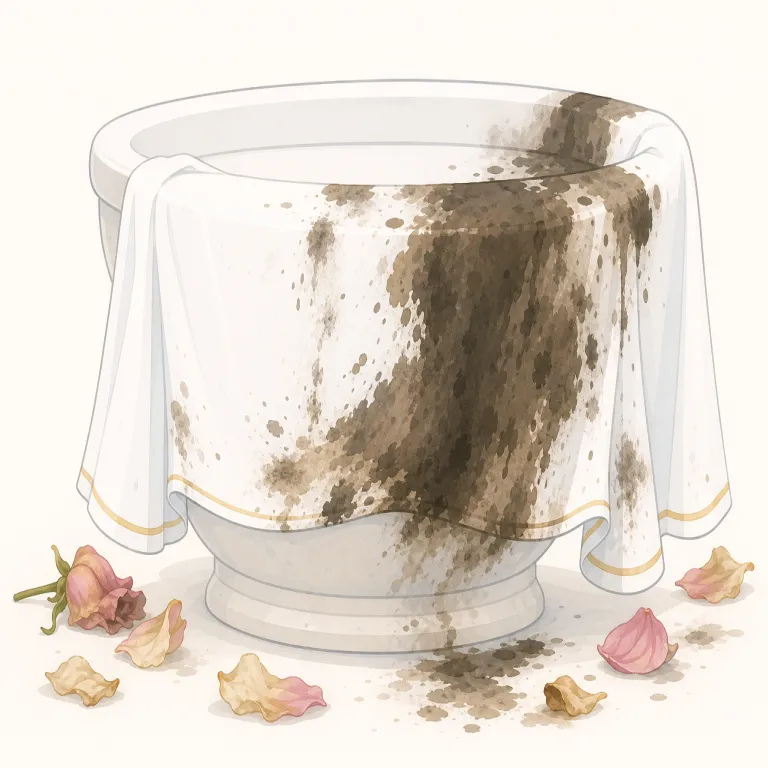
穢れ
解説 Definition
何かを汚す、不潔にする行為。名誉や純潔を傷つけること、または聖なるものを冒涜すること。
Defilement is the state of being made dirty, impure, or morally damaged. It is often used in religious, moral, or literary contexts to talk about something sacred, clean, or pure being spoiled.
覚え方のコツ Memory Tip
defilement は、まず動詞 defile「汚す・けがす」を知っていれば取りやすく、-ment は「その行為・結果」を作る語尾だと見ると定着しやすいです。ポイントは、単なる dirt や stain ではなく、名誉・純潔・神聖さまで傷つけるような“重い汚れ”を表すこと。the defilement of a temple / innocence のように、「聖なるもの・大切なものがけがされる場面」と結びつけると覚えやすいです。pollution より道徳的・宗教的に重い語感。形が似る defamation は「中傷」なので混同注意。
Start with the verb `defile`, then add `-ment`, which often means an action or result. This word feels much heavier than simple dirt or a stain, so connect it with phrases like `the defilement of a temple` or `of innocence`. Be careful not to mix it up with `defamation`, which is about damaging someone's reputation with words.
例文
The graffiti was considered a defilement of the historical monument.
そのグラフィティは歴史的記念碑への冒涜と見なされた。
He spoke of the defilement of sacred ground by commercial development.
彼は商業開発による聖地の冒涜について語った。
The act was seen as a defilement of her honor.
その行為は彼女の名誉を汚すものと見なされた。
defilement の類義語・関連語
類義語
紛らわしい語
defilement の語源・成り立ち Etymology
defilement は defile+-ment です。「汚す」の defile は古フランス語 defouler にさかのぼり、de-(下へ)+ foler(踏む)で、踏みつけて汚す感覚を表しました。そこから「穢れ」の意になり、関連語は foul, befoul。
Defilement comes from defile plus the noun ending -ment. In this sense, defile goes back through Old French to a verb meaning "to trample down" or "make foul," with the idea of something being dirtied by being trodden on. From that physical image, the meaning widened to moral or ritual pollution; related words include foul and befoul.
同じレベルの語彙をもっと
外部辞書で調べる
この英単語をクイズで覚えよう