心に傷を負った
adjective 形容詞つらい経験などによって、精神面や感情面に長く残る傷を負っていることを表す。damaged childrenやemotionally damagedのように人について使うが、人格そのものを断定する強い表現になり得る。
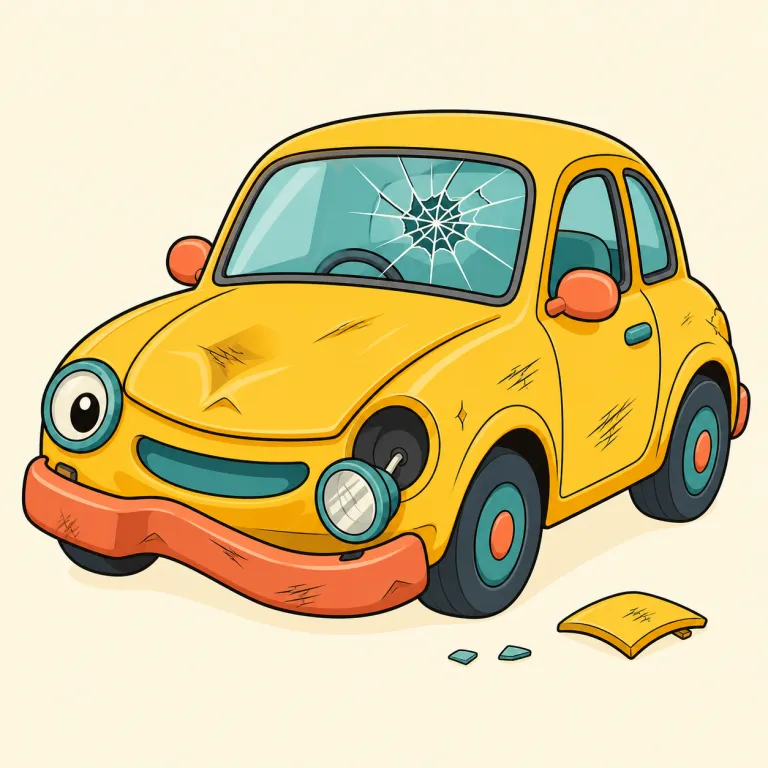
物が壊れたり傷ついたりして、本来の状態や機能が損なわれていることを表す。
This describes an object that has been harmed so that its condition or ability to work has become worse. It may still be usable despite cracks, scratches, or other physical harm.
damaged は damage「損傷を与える」に -ed が付き、「損傷を受けた状態の」と考えます。嵐の後、橋にひびが入り、安全に使えず通行止めになっている場面を思い浮かべましょう。broken が完全に壊れて使えない場合にもよく使われるのに対し、damaged は傷や故障によって本来の状態・機能が損なわれたことに焦点があります。a damaged bridge、damaged items、be damaged by the storm「嵐で損傷する」のまとまりで覚えると使い分けやすくなります。
Connect damage with -ed to remember the resulting condition of an object. Picture a bridge with cracks after a storm, and remember a damaged bridge. The word focuses on harm to its condition or function without necessarily meaning it is completely unusable.
The damaged bridge is closed to traffic.
損傷した橋は通行止めになっている。
Please return any damaged items to the store.
傷んだ商品は店に返品してください。
Several houses were damaged by the storm.
嵐で数軒の家が被害を受けた。
文脈によって、次の意味でも使われます。
つらい経験などによって、精神面や感情面に長く残る傷を負っていることを表す。damaged childrenやemotionally damagedのように人について使うが、人格そのものを断定する強い表現になり得る。
damage「損害を与える」に過去分詞を作る -ed が付いた形です。damage は古フランス語 damage を経て、ラテン語 damnum「損失、害」にさかのぼります。過去分詞から「損傷を受けた状態の」という形容詞用法が生まれました。
Damaged is the past participle of damage, formed with -ed, and is also used as an adjective describing a resulting condition. Damage came through Old French damage from Latin damnum, meaning loss or harm.
この英単語をクイズで覚えよう