漢
解説 Definition
通常は Han と大文字で書き、漢王朝、漢民族、または漢字など中国の歴史・民族・文化に関係するものを指します。
Han, normally capitalized, refers to the major Chinese ethnic group or to the historical Chinese dynasty that ruled from 206 BCE to 220 CE. It may also modify cultural or linguistic terms associated with Chinese civilization, as in Han characters.
覚え方のコツ Memory Tip
例文の han は通常 Han と大文字で書き、Han dynasty「漢王朝」、Han people「漢民族」、Han characters「漢字」のまとまりで覚えます。中国の「漢」に結び付く固有名詞で、中央アジアの君主号 khan「ハン」とは由来も意味も異なるため、つづりの k の有無で区別します。
In the senses shown here, write Han with a capital H and connect it with three useful combinations: the Han dynasty, Han people, and Han characters. These all point to the Chinese historical and cultural term represented by 漢. Keep it separate from khan, the Central Asian title for a ruler. The words may sound similar in some accents, but the initial k in khan signals a different word, history, and meaning. Capitalization also helps identify Han as an ethnic, historical, or cultural name.
例文
The Han dynasty was one of the most influential periods in Chinese history.
漢王朝は中国史上最も影響力のある時期の一つでした。
The Han people are the largest ethnic group in China.
漢民族は中国最大の民族です。
Han characters are the writing system used in Chinese.
漢字は中国語で使用される文字体系です。
han の類義語・関連語
han の語源・成り立ち Etymology
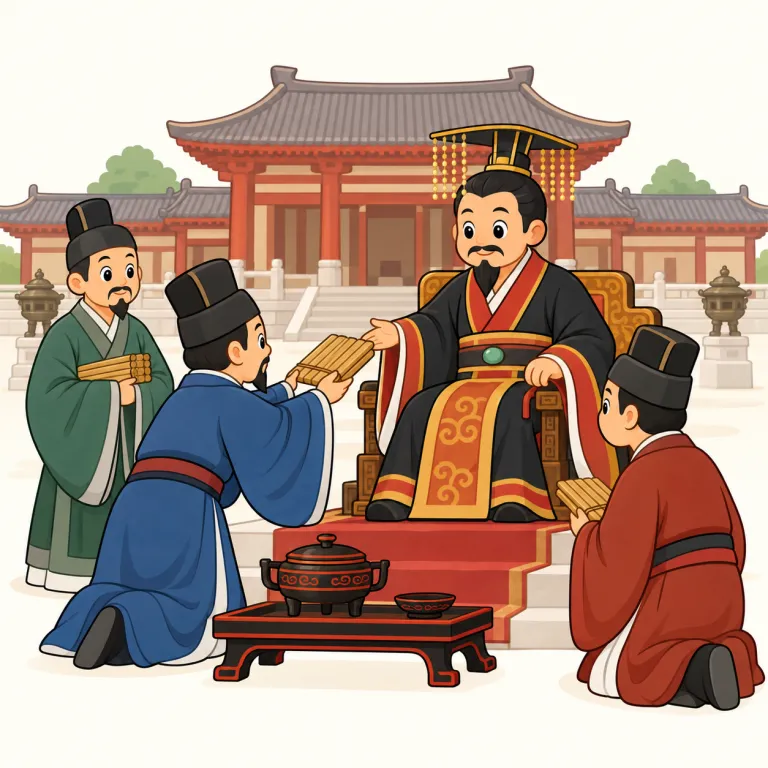
中国の Han(漢)は漢王朝の名称に由来します。王朝名は、創始者の劉邦がかつて漢王に封じられたことに基づき、その封号は漢中や漢水に結び付いていました。後に「漢」は中国の多数派民族やその文化を表す名称にもなりました。中央アジアの君主号 khan とは別語です。
Several historically unrelated terms can be represented by similar spellings. Chinese Han takes its name from the Han dynasty; the dynasty was named after the region and river associated with its founder’s earlier title. It later became a name for China’s majority ethnic group and its culture. The Turkic and Mongolian title khan, meaning a ruler or leader and producing khanate, is a separate word and should not be confused with Chinese Han in these examples.
同じレベルの語彙をもっと
外部辞書で調べる
この英単語をクイズで覚えよう