異性体
解説 Definition
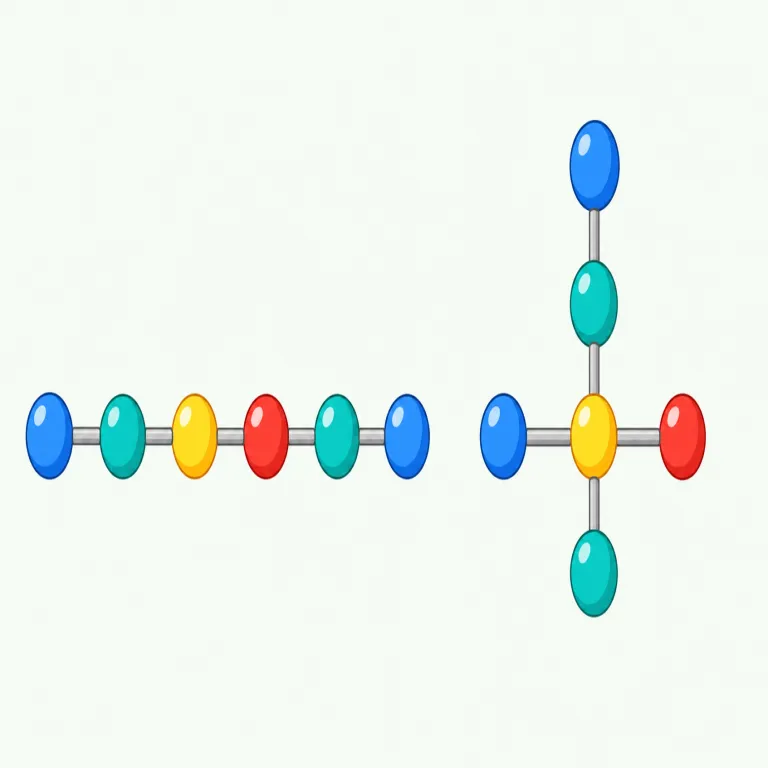
同じ分子式を持ちながら構造が異なる化合物。化学における異性体。
An isomer is a chemical substance that has the same kinds and numbers of atoms as another substance but a different arrangement of those atoms. Because of that different structure, isomers can have different properties. This is a technical term used in chemistry.
覚え方のコツ Memory Tip
まず `iso-` を「same(同じ)」の仲間として押さえると覚えやすいです。`isometric` や `isotope` と同じで、「同じ」という感覚を先に置く。次に `-mer` は `monomer` `polymer` に出る語で、「単位・部分」を連想する。すると isomer は「同じ部品数なのに、並び方・つながり方が違うもの」。化学では『材料は同じ、組み方が違う』と覚えると、単なる類似物ではなく“分子式は同じだが構造が違う”という核心を外しにくいです。
`Iso-` often means `same`, as in `isometric` or `isotope`. `-mer` appears in chemistry words like `monomer` and `polymer`, so it helps you think of parts or units. Remember it as: same basic formula, different arrangement.
例文
Glucose and fructose are isomers because they share the same molecular formula but differ in structure.
グルコースとフルクトースは同じ分子式を持つが構造が異なるため、異性体である。
The chemistry professor explained how isomers can have vastly different physical properties.
化学の教授は異性体がまったく異なる物理的性質を持ちうることを説明した。
Identifying the correct isomer is crucial in drug design.
正しい異性体を特定することは医薬品の設計において極めて重要だ。
isomer の類義語・関連語
紛らわしい語
isomer の語源・成り立ち Etymology
ドイツ語 isomerisch を経て英語化し、もとはギリシャ語 isos「等しい」+ meros「部分」に由来します。直訳すると「等しい部分をもつもの」で、分子式は同じでも結びつき方が違うため性質が変わる、という発想です。monomer や polymer の -mer も同系です。
Isomer entered English through German scientific language and goes back to Greek isos "equal" and meros "part." It originally meant something with "equal parts," referring to things made from the same basic parts in different arrangements. The -mer part is the same one seen in monomer and polymer.
同じレベルの語彙をもっと
外部辞書で調べる
この英単語をクイズで覚えよう