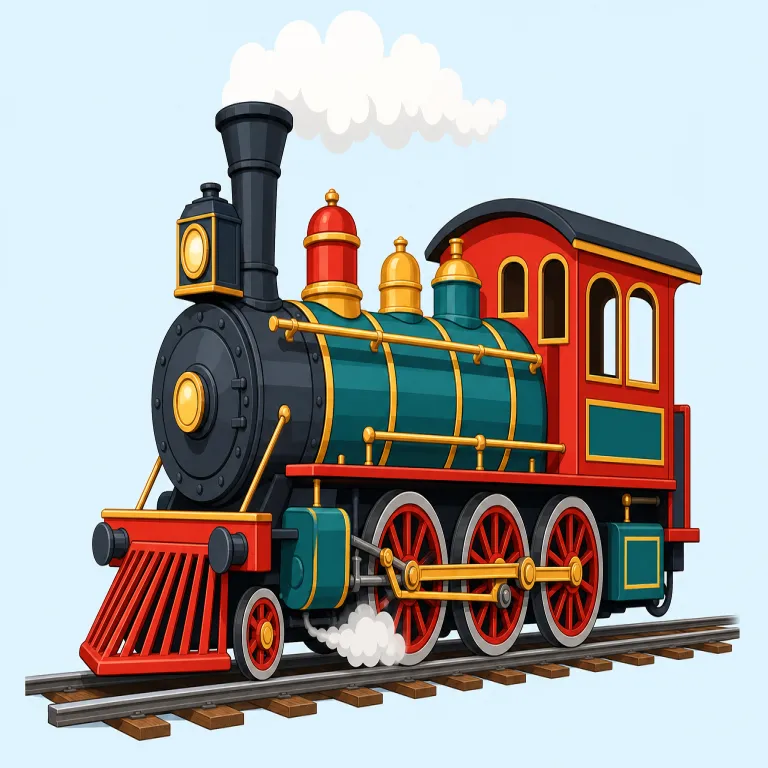
locomotive
locomotive は英検1級・TOEIC 990・TOEFL 100・IELTS 7.5レベルの英単語で、「機関車」という意味があります。発音記号は /ˌloʊkəˈmoʊtɪv/ です。
機関車
解説 Definition
動力を備えた車両で、列車の先頭に立って他の客車や貨車を引く役割を果たします。石炭、ディーゼル、電気など様々なエネルギー源で動き、長距離の貨物輸送や都市の通勤列車の牽引にも使われてきました。
A locomotive is the engine that pulls a train. It provides the power that moves the train along the tracks. The word is mainly used in railway and transportation contexts.
覚え方のコツ Memory Tip
motor や motion を知っていれば、-motive は「動かす力」と結びつけられる。locomotive は長く見えるが、loco + motive に区切ると処理しやすい。意味の核は train 全体ではなく、先頭で客車・貨車を引く「動力役」。a steam locomotive, an electric locomotive のように動力源とセットで現れやすい。railway car は単なる車両、locomotive は engine 側、と対比すると定着する。
Focus on the second part, `motive`, which is related to movement or driving force. A `locomotive` is not the whole train, but the part that provides the power and pulls it. Remember it with combinations like `steam locomotive` and `electric locomotive`.
例文
The locomotive pulled dozens of freight cars across the mountain pass.
その機関車は山岳の峠を越えて数十両の貨車を牽引した。
Steam-powered locomotives revolutionized transportation in the 19th century.
蒸気機関車は19世紀の輸送に革命をもたらした。
The children gathered at the platform to watch the historic locomotive pass by.
子どもたちは歴史的な機関車が通り過ぎるのを見ようと、プラットフォームに集まった。
えいたんごクイズでの正答率
この語をはじめて出題された 31人 のうち 16人 が正解しました(52%)。
えいたんごクイズの回答から集計した独自データです。1人につき最初に出題されたときの1回だけを数えており、復習や2回目以降の回答、「わからない」と時間切れは含みません。 集計時点は 2026年9月19日 です。
locomotive の類義語・関連語
派生語
紛らわしい語
locomotive の語源・成り立ち Etymology
locomotive は loco-「場所」+motive「動かすもの」から成り、語源はラテン語 locus と movere です。もともとは「場所を移して動くもの」という発想で、そこから自力で列車を進める「機関車」の意味になりました。related 語は motion, motor です。
Locomotive is built from loco-, from Latin locus "place," and motive, from Latin movere "to move." Its original sense was something that moves from place to place. In English it became the name for the engine that pulls a train, and it is related to motion and motor.
同じレベルの語彙をもっと
英検1級の一覧へ →外部辞書で調べる
この英単語をクイズで覚えよう