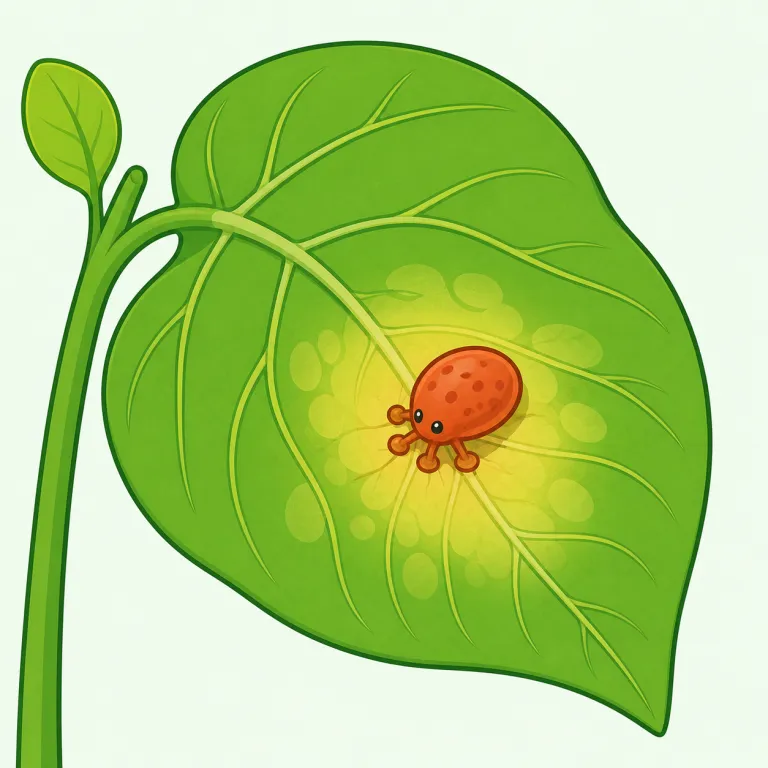
parasite
parasite は英検準1級レベルの英単語で、「寄生虫、居候、たかり屋」という意味があります。発音記号は /ˈpɛrəˌsaɪt/ です。
意味一覧 (2件)
寄生虫
解説 Definition
他の生物に寄生して生活する生物を指します。宿主となる生物の栄養を吸収して生きており、被寄生者に害をもたらす存在です。
A parasite is a living thing that lives on or inside another living thing and gets food or support from it. It usually harms the animal, plant, or person it depends on. The word can also describe a person who unfairly depends on others for money or help.
覚え方のコツ Memory Tip
parasite は “宿主 host に取りつき、自分は得をして相手には負担をかける存在” という一場面で覚えると残りやすい語です。生物の寄生虫だけでなく、比喩で「人にたかる人」にも使えます。symbiosis(共生)は助け合い、parasite は一方的に吸い取る、という対比が有効です。派生語 parasitic も頻出なのでセットで覚えると定着しやすく、spelling は para + site に見えても意味は「場所」ではない点に注意すると混同を防げます。
Remember `parasite` as the opposite of a fair partner. In `symbiosis`, both sides benefit, but a `parasite` takes from a host and gives trouble back. Also remember `parasitic` with it, and do not confuse `-site` here with the common word `site` meaning place.
例文
The parasite lived inside the animal's body.
寄生虫はその動物の体内に生息していた。
Parasites can cause serious health problems.
寄生虫は深刻な健康問題を引き起こす可能性がある。
This medicine kills the parasite.
この薬は寄生虫を駆除します。
居候、たかり屋
(意味 2)
解説 Definition
人の金銭や努力に頼って生きる人を、強い非難や軽蔑を込めて表す名詞です。家族や友人、組織にぶら下がり、自分ではほとんど負担せず利益だけを得るような文脈で使われます。
A strongly insulting word for someone who lives on other people's money or efforts while contributing little or nothing. It expresses contempt for a person seen as taking benefits at others' expense.
例文
He felt that his older brother was becoming a parasite on the family.
彼は兄が家族にたかる居候のようになっていると感じた。
She refused to support a parasite who never looked for work.
彼女は仕事を探そうともしないたかり屋を養うのを拒んだ。
The article described corrupt officials as parasites feeding off the public.
その記事は腐敗した役人たちを市民に寄生する者たちだと描いた。
parasite の類義語・関連語
parasite の語源・成り立ち Etymology
parasiteはギリシャ語parasitosに由来し、para-「そばで」+sitos「食べ物」から成る。もとは「人のそばで食事する居候」で、そこから他者に頼って生きる存在、さらに寄生虫の意味へ広がった。関連語はparasitic、parasitism。
Parasite comes from Greek parasitos, from para- "beside" and sitos "food." At first it meant a person who ate at another person's table, like a dependent guest. Later it widened to mean any being that lives off another, including insects and other organisms.
同じレベルの語彙をもっと
英検準1級の一覧へ →外部辞書で調べる
この英単語をクイズで覚えよう