えいたんごクイズ

taboo

/tæˈbuː/

意味一覧 (3件)

noun

タブー

解説 Definition

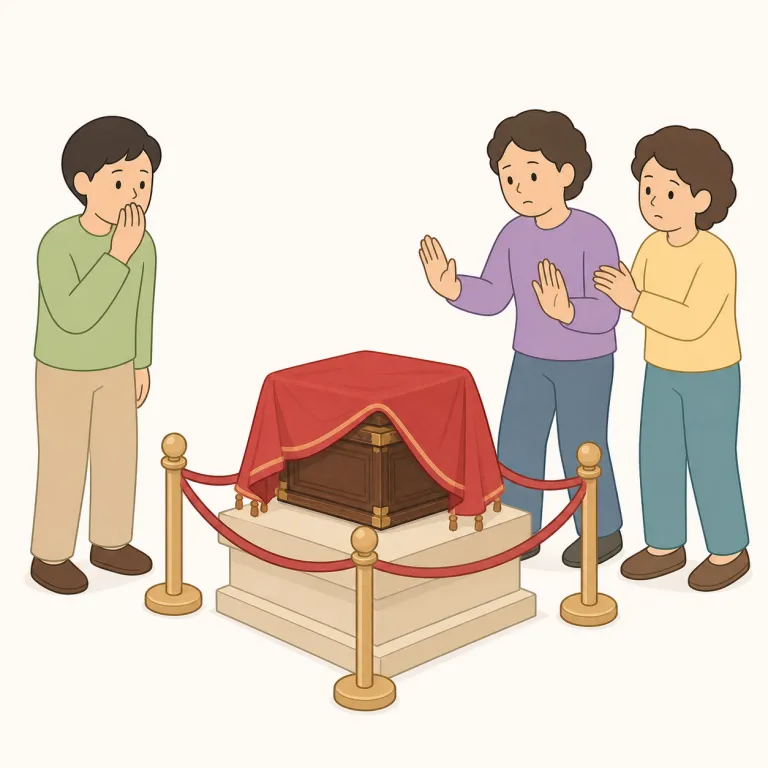
名詞の taboo は、ある社会や集団で口にしたり行ったりすべきでないとされる事柄そのものを指します。break a taboo なら、暗黙の境界を破ること。文化や時代で対象が変わる点も重要です。

A taboo is something that a society, culture, or group considers unacceptable or forbidden. It often refers to topics, actions, or customs that people avoid because they may be offensive, shocking, or socially wrong.

覚え方のコツ Memory Tip

a taboo は「一つの禁忌」、taboos は「複数のタブー」と数えられる名詞として押さえる。rule のように紙に書かれた決まりではなく、破ると周囲の反発・気まずさ・不敬と受け取られる社会的境界を指す。形容詞用法では taboo topic のように別の名詞を修飾するが、名詞では break, challenge, discuss などの動詞と結びつき、禁じられた領域そのものを話題にする。

Remember it with the phrase `a taboo subject` or `break a taboo`. The word often points to something people avoid because of culture, religion, or social feeling, not just because of an official rule. That helps separate it from words like `law` or `forbidden`.

例文

In many cultures, it is taboo to discuss money openly at the dinner table.

多くの文化では、食卓でお金について公然と話すことはタブーとされています。

The topic of death was considered taboo in their family.

死というテーマは彼らの家族ではタブーとみなされていました。

The documentary explored various taboos around the world.

そのドキュメンタリーは世界各地のさまざまなタブーを探りました。

noun

禁忌きんき

(意味 2)

解説 Definition

社会や文化によって禁止されている行為や話題のこと。言及してはいけない、または従うべきでない主題や行動。

例文

In some cultures, discussing certain topics is taboo.

いくつかの文化では、特定のトピックについて議論することは禁忌である。

The subject was taboo in their family for generations.

その主題は何世代にもわたって彼らの家族では禁忌だった。

Breaking the taboo led to serious consequences in the community.

禁忌を破ることはコミュニティで深刻な結果をもたらした。

adjective

禁忌の

(意味 3)

解説 Definition

形容詞の taboo は、話題・行為・習慣などが共同体の感覚として「触れてはいけない」と見なされる状態を表します。taboo subject/topic のように名詞を前から修飾し、法的禁止よりも心理的なためらいを強く含みます。

As an adjective, taboo describes a topic, action, or habit that people in a group feel should not be discussed or done openly. It is often used before nouns, as in taboo subject or taboo topic. The word suggests a strong social, cultural, or religious sense of avoidance, not simply a legal rule. Compared with forbidden, taboo focuses more on silence, discomfort, or shared feelings about what is not acceptable.

覚え方のコツ Memory Tip

a taboo subject のように、後ろの名詞を「公に扱いにくいもの」に変える形で覚えると使いやすい。forbidden が命令・規則で禁じられた感じを出すのに対し、taboo は場の空気、家族内の沈黙、宗教的感覚などによる避け方に焦点がある。名詞の taboo が「禁忌そのもの」を指すのに対し、形容詞では topic や issue を修飾して、その話題の扱われにくさを示す。

It helps to remember taboo in phrases like a taboo subject, where it changes the noun into something people feel uncomfortable discussing in public. Unlike forbidden, which often sounds like a rule or order, taboo is more about social atmosphere, family silence, or religious feeling. Also remember that the noun taboo means the forbidden thing itself, while the adjective describes a topic or issue as hard to talk about.

例文

Talking about money is still a taboo subject in some families.

お金の話は、今でも一部の家庭では禁忌の話題です。

For years, mental health was treated as a taboo issue at work.

長い間、職場ではメンタルヘルスが禁忌の問題のように扱われていました。

The film challenges several taboo beliefs in a quiet but powerful way.

その映画は、いくつかの禁忌の考え方に静かだが力強く切り込んでいる。

taboo の語源・成り立ち Etymology

taboo はポリネシア語群、特にトンガ語・サモア語の tapu/tabu「聖であるため触れてはならない」から英語へ入った語です。神聖さゆえの禁止が転じて「禁忌」の意味になり、関連語には綴り違いの tabu や同系語の tapu があります。

Taboo entered English from Polynesian languages, especially Tongan or Samoan tapu/tabu. The original meaning was something sacred or set apart, and therefore not to be touched or approached. From this idea of holy restriction, the word broadened into a general social prohibition. Related forms include tabu and tapu.

外部辞書で調べる

この単語を英単語クイズで覚えよう