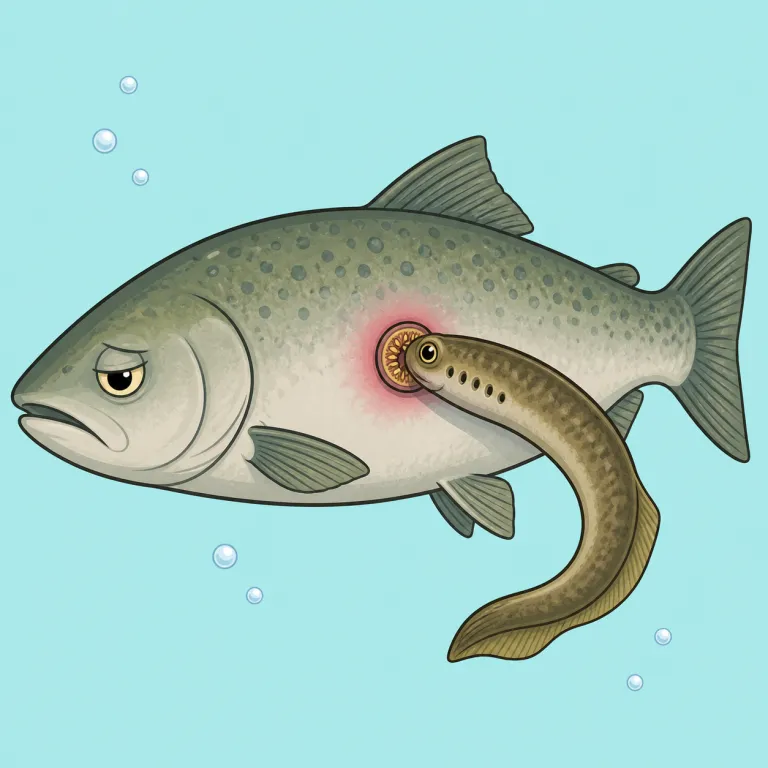
他人への寄生、依存的搾取
noun 名詞比喩的に、自ら十分な貢献をせず、他人や社会の資源に依存して利益を得る生き方や関係を指す。生物学上の宿主と寄生生物の関係ではなく、人間の社会的・経済的な依存を批判的に表す語である。
一つの生物が他の生物から栄養や利益を得る関係。寄生する生物を寄生虫、寄生される側を宿主という。
Parasitism is a relationship in which one living thing benefits while the other is harmed. It is mainly used in biology and ecology when describing how parasites live on or inside a host. The word can also be used more generally for a harmful dependence, but that use is less scientific.
まず parasite(寄生生物・居候のように頼るもの)を軸に覚えるとよいです。そこに -ism が付くと「主義」だけでなく「状態・現象・関係」を表すので、parasitism は「寄生虫そのもの」ではなく「寄生という関係」だと整理できます。対比すると定着しやすく、mutualism は双方に利益、symbiosis は共生全般、parasitism は片方だけが得をする関係。host-parasite relationship という場面で見ると意味が固定されます。
Start with `parasite`, then add `-ism`. Here `-ism` means a state or relationship, not a belief, so `parasitism` is the parasite-host relationship rather than the parasite itself. It sticks better if you compare it with `mutualism`, where both sides benefit.
Parasitism is a type of symbiotic relationship where one organism benefits at the expense of another.
寄生は、一方の生物がもう一方の生物に害を与えることで利益を得る共生関係の一種である。
The mosquito engages in parasitism by feeding on human blood.
蚊は人間の血液を吸うことで寄生生活を営んでいる。
Many diseases are caused by parasitism of various microorganisms.
多くの病気は様々な微生物による寄生が原因である。
文脈によって、次の意味でも使われます。
比喩的に、自ら十分な貢献をせず、他人や社会の資源に依存して利益を得る生き方や関係を指す。生物学上の宿主と寄生生物の関係ではなく、人間の社会的・経済的な依存を批判的に表す語である。
parasitism は parasite+-ism。parasite はギリシャ語 para-「そばに」+sitos「食物」で、元は「人の食卓に同席して食べる人」だったため、「宿主に頼って生きる」が腑に落ちる。関連語は parallel、sitophobia。
Parasitism comes from parasite + -ism. Parasite goes back to Greek para- "beside" and sitos "food" or "grain," and it first meant a person who ate at another person's table. From that social image, the meaning shifted to a living thing that depends on a host for food or support; related words with the same roots include parallel and sitophobia.
この英単語をクイズで覚えよう