相互主義
noun 名詞相互的な交換、自由な契約、相互信用などを基礎とする社会・経済思想を指す。特にアナキズムの一潮流を表し、国家の強制ではなく、個人や集団の自発的な協力を重視する。
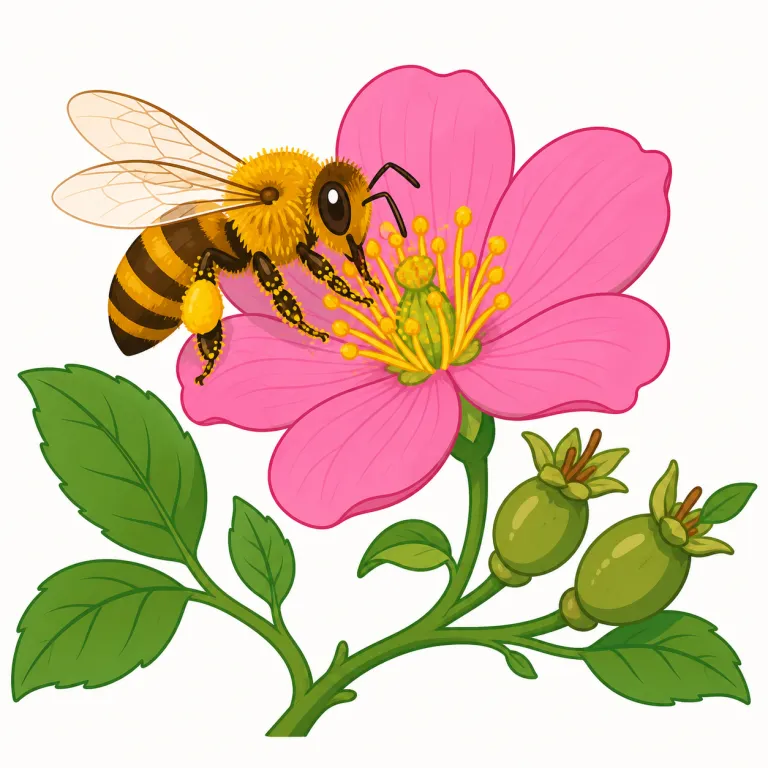
相利共生。相互に利益をもたらす生物間の関係。
Mutualism is a relationship between two different living things in which both benefit. This term is mainly used in biology and ecology. It describes a type of close connection that helps both sides survive or grow better.
mutualism は、まず mutual「相互の・お互いの」が見えればかなり近づけます。mutual respect, mutual understanding の mutual と同じで、核は「両方向」の感覚です。そこに -ism が付くと「仕組み・関係の型」になるので、mutual + ism で「互いに利益がある関係」と覚えると整理しやすいです。biology では parasite が片方だけ得をするのと対比すると定着しやすく、symbiosis が共生全般なのに対し、mutualism はその中でも“双方プラス”だと押さえると混同しにくいです。bees and flowers のような典型例も一緒に思い浮かべると強い記憶フックになります。
The key is `mutual`, which you may know from `mutual respect` or `mutual understanding`. It gives the idea of both sides, not just one side. Add `-ism`, and think of a system or relationship where both sides benefit.
Mutualism benefits both species involved.
相利共生は関与する両方の種に利益をもたらす。
Bees and flowers have a mutualistic relationship.
ハチと花は相利共生的な関係を持つ。
Mutualism is common in nature.
相利共生は自然界では一般的だ。
文脈によって、次の意味でも使われます。
相互的な交換、自由な契約、相互信用などを基礎とする社会・経済思想を指す。特にアナキズムの一潮流を表し、国家の強制ではなく、個人や集団の自発的な協力を重視する。
ラテン語mutuus(相互の)に接尾辞-ismがついた語。mutuusは「交換する」意のmutareと同根で、mutual(相互の)やcommute(通勤する=場所を交換する)と親戚。互いに利益を「交換し合う」関係という原義が相利共生の意味に直結する。
Mutualism comes from mutual, based on Latin mutuus, meaning "reciprocal" or "exchanged," plus the suffix -ism. Mutuus is related to Latin mutare, "to change," which also lies behind English words like commute and mutable. The idea developed from exchange between two sides to a relationship where both sides benefit each other.
この英単語をクイズで覚えよう