parallel
parallel は英検2級・TOEIC 730・TOEFL 60・IELTS 5.5レベルの英単語で、「平行、類似した」という意味があります。発音記号は /ˈpɛrəˌlɛl/ です。
意味一覧 (2件)
平行
解説 Definition
平行した状態、または二つのもの、事柄が同じ方向で一緒に進む様子を表す形容詞です。数学的または比喩的に使われます。
Parallel means existing or happening at the same time, or running in the same direction without meeting. It can describe lines, ideas, events, or situations that are similar or separate but connected in some way. The exact meaning depends on whether the context is physical, mathematical, or more general.
覚え方のコツ Memory Tip
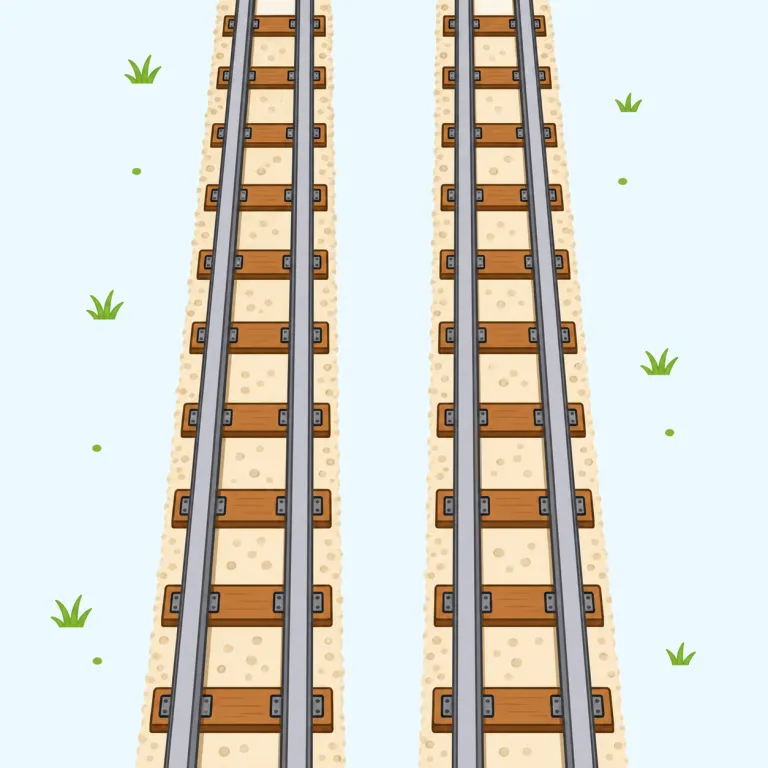
まず `parallel lines` を核に覚えると定着しやすいです。線路やノートの横線のように、2本が同じ向きに並んで進み、交わらない感じ。そこから比喩で `parallel development`(並行して進む展開), `in parallel`(同時並行で)へ広げると使い方が見えます。`similar` が「似ている」中心なのに対し、`parallel` は「同じ流れ・対応関係で並ぶ」が中心で、完全に同一とは限らない点を区別すると覚えやすいです。
Start with `parallel lines`: two lines moving in the same direction without meeting. From that image, it extends naturally to ideas such as `parallel development` or working `in parallel`. It is not just `similar`; it suggests two things matching or moving side by side.
例文
The two lines are parallel.
その二本の線は平行です。
These roads are parallel.
これらの道は平行です。
The blue sticks are parallel.
その青い棒は平行です。
えいたんごクイズでの正答率
この語をはじめて出題された 37人 のうち 28人 が正解しました(76%)。
えいたんごクイズの回答から集計した独自データです。1人につき最初に出題されたときの1回だけを数えており、復習や2回目以降の回答、「わからない」と時間切れは含みません。 集計時点は 2026年9月19日 です。
類似した
(意味 2)
解説 Definition
parallel が形容詞で使われると、二つ以上の物事が似た形で進んだり、内容や立場が対応していたりすることを表す。出来事や議論、傾向、人生経験などを比べる文脈でよく使われる。完全に同一というより、並べて比べられるほどよく似ているという含みがある。
Similar in pattern, development, or position when two or more things are compared. It describes events, arguments, or experiences that closely correspond without necessarily being identical.
例文
The two stories show parallel events.
二つの物語には似た出来事が描かれている。
Her ideas run parallel to mine.
彼女の考えは私の考えとよく似ている。
Their lives took parallel paths.
二人はよく似た人生を歩んだ。
parallel の類義語・関連語
類義語
対義語
紛らわしい語
parallel を含む表現
句動詞・イディオムなど 4 件。クリックで各表現の詳細へ。
parallel の語源・成り立ち Etymology
ギリシャ語 parallēlos(para「並んで」+ allēlōn「互いに」)が語源。「互いに並んで進む線」が原義で、そこから「平行の」という意味に。関連語: paragraph(段落=paraで「横に」書く印)。二つのものが交わらず並走するイメージが核心。
Parallel comes from Greek parallelos, built from para, meaning "beside," and a word meaning "one another." The original image was of lines going alongside each other. From there, it came to mean things that continue side by side without meeting, both in geometry and in wider uses.
同じレベルの語彙をもっと
英検2級の一覧へ →外部辞書で調べる
この英単語をクイズで覚えよう