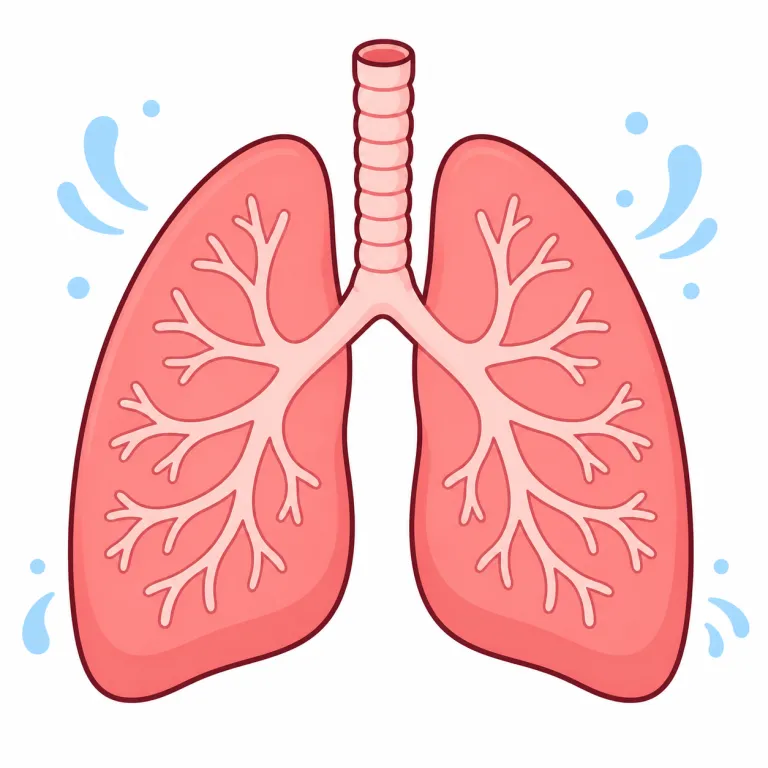
lung
lung は英検2級・TOEFL 60・IELTS 5.5レベルの英単語で、「肺」という意味があります。発音記号は /lʌŋ/ です。
肺
解説 Definition
呼吸を行う器官で、空気を取り入れて酸素を体に供給します。胸部にあり、人間や動物の生存に必要です。
A lung is one of the two main organs in your chest that help you breathe. Lungs take in oxygen and send out carbon dioxide. The word is mainly used in health, medicine, and biology.
覚え方のコツ Memory Tip
lung は「呼吸」に関する基本語として、まず動詞 breathe とセットで覚えると定着しやすいです。air goes into the lungs(空気が肺に入る)の形で、肺は「息そのもの」ではなく、空気を受け取る器官だと押さえるのがコツ。breath は息、lung は肺、throat はのど、heart は心臓と体の部位どうしで並べると整理できます。lung cancer, lung disease, lung capacity など医学・健康の文脈で非常によく出るので、「胸の中の呼吸装置」を軸に思い出すとよいです。long と綴りが似るので u を見落とさないよう注意。
Learn `lung` with other body words: `breath` is the air, `throat` is the passage, and `lung` is the organ. The sentence `air goes into the lungs` is a simple memory hook. Also watch the spelling, because it looks close to `long`, but `lung` has a `u`.
例文
The doctor checked his lungs.
医者は彼の肺を調べました。
Smoking damages your lungs over time.
喫煙は徐々に肺を傷つけます。
Deep breaths fill your lungs with air.
深く息を吸うと、肺が空気で満たされます。
えいたんごクイズでの正答率
この語をはじめて出題された 32人 のうち 21人 が正解しました(66%)。
えいたんごクイズの回答から集計した独自データです。1人につき最初に出題されたときの1回だけを数えており、復習や2回目以降の回答、「わからない」と時間切れは含みません。 集計時点は 2026年9月19日 です。
lung の類義語・関連語
派生語
紛らわしい語
lung の語源・成り立ち Etymology
古英語 lungen に由来し、ゲルマン祖語 *lungō が語源。「軽いもの」を意味する語根 *lengʷh-(light と同根)から来ており、肺が水に浮くほど軽い臓器であることに由来する。関連語: light(軽い)、lights(家畜の肺臓)。
"Lung" comes from Old English lungen, from an older Germanic form. It is thought to be linked to a root meaning "light in weight," because lungs are light enough to float in water. That same old root is also connected with English light in the sense of "not heavy," and with lights, an old word for animal lungs.
同じレベルの語彙をもっと
英検2級の一覧へ →外部辞書で調べる
この英単語をクイズで覚えよう