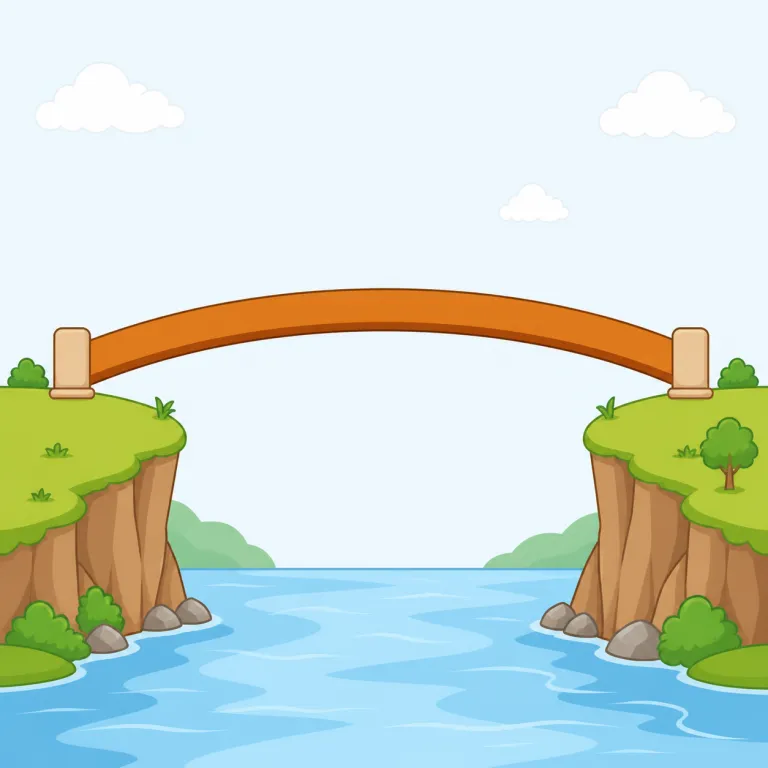
span
span はTOEIC 860・TOEFL 80・IELTS 6.5レベルの英単語で、「長さ、広がり、期間、及ぶ、わたる、架かる、横切る」という意味があります。発音記号は /spæn/ です。
意味一覧 (3件)
長さ、広がり、期間
解説 Definition
span は、物の端から端までの長さや広がりを表す名詞で、橋の支間、両腕を広げた長さ、翼の幅などに使う。物理的な寸法だけでなく、ある出来事が続く期間や、活動や影響が及ぶ範囲を示す場合にも用いられる。
A span is the full length, width, or extent of something from one end to the other. It can also mean a period of time. It is commonly used when talking about distance, size, or duration.
覚え方のコツ Memory Tip
span は「端から端までひと続きに広がる長さ」という1枚の絵で覚えると残りやすいです。arm span は両腕の端から端、bridge span は橋の支間、time span は始まりから終わりまでの期間。訳は「長さ・広がり・期間」と分かれても、核は同じです。period が単に時間の一区切りを言いやすいのに対し、span はどこからどこまで及ぶかという“両端”の感覚が強め。wingspan, lifespan, a span of ten years などの形ごとまとめて覚えると定着します。
Picture a line from one end to the other. That is the core of `span`, whether it is `arm span`, `wingspan`, or `a span of ten years`. It often has a clear start and end, so it feels more like a full stretch than just a general `period`.
例文
The span of the bridge is five hundred meters.
その橋の支間は500メートルある。
He measured the span of his arms.
彼は両腕を広げた長さを測った。
Over a span of ten years, the town changed completely.
10年の間に、その町はすっかり変わった。
及ぶ、わたる
(意味 2)
解説 Definition
動詞として、時間・距離・活動範囲などが、ある始点から終点まで広く及ぶことを表す。予定や研究、歴史などが複数の時期・分野・地域にまたがる場面でよく使われ、単に続くというより全体を覆って広がる響きがある。
To extend across a whole period of time, distance, or range of activities. It is used when a project, history, or body of work covers several years, regions, or subjects.
例文
The conference spans three days.
その会議は3日間にわたる。
Her research spans several fields.
彼女の研究はいくつかの分野に及ぶ。
The museum's history spans more than a century.
その博物館の歴史は1世紀以上にわたる。
架かる、横切る
(意味 3)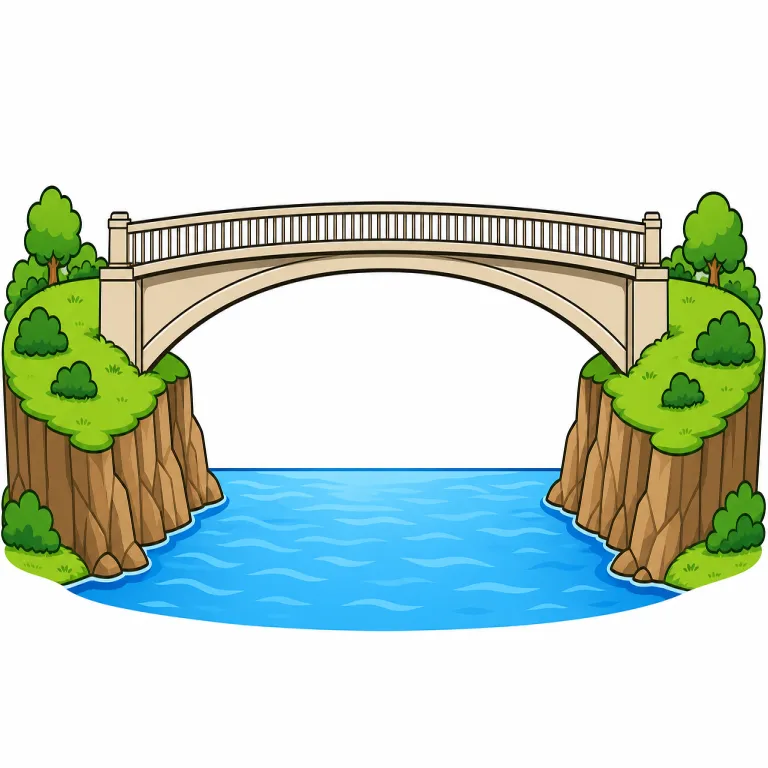
解説 Definition
橋、ケーブル、アーチなどが、川や谷、道路の上を端から端へと渡っていることを表す。構造物が二点を結ぶイメージが強く、物理的に空間をまたぐ・架け渡す文脈で使われる。土木や建築の説明で特によく見られる語である。
To reach from one side of a physical space to the other, joining or stretching between two points. This verb often describes a bridge, beam, cable, or arch extending across a river, room, or opening.
例文
The bridge spans the river.
その橋は川に架かっている。
A steel beam spans the hall.
1本の鋼鉄の梁がホールを横切っている。
The arch spans the entrance.
そのアーチが入口に架かっている。
span の類義語・関連語
紛らわしい語
span の語源・成り立ち Etymology
古英語 spann(親指と小指を広げた幅)に由来し、ゲルマン祖語 *spanną(伸ばす)に遡る。手を広げた長さが原義で、そこから「橋の径間」「期間」へと意味が拡張した。関連語: spanner(スパナ=広げて掴む工具)。空間的・時間的な「広がり」の感覚が核にある。
`Span` comes from Old English `spann`, first meaning the distance across an open hand from thumb to little finger. It goes back to a Germanic root meaning "to stretch" or "to draw out." From that physical width, the word later grew to mean a stretch of space, such as a bridge span, and also a stretch of time. A related word is `spanner`.
同じレベルの語彙をもっと
TOEIC 860の一覧へ →外部辞書で調べる
この英単語をクイズで覚えよう