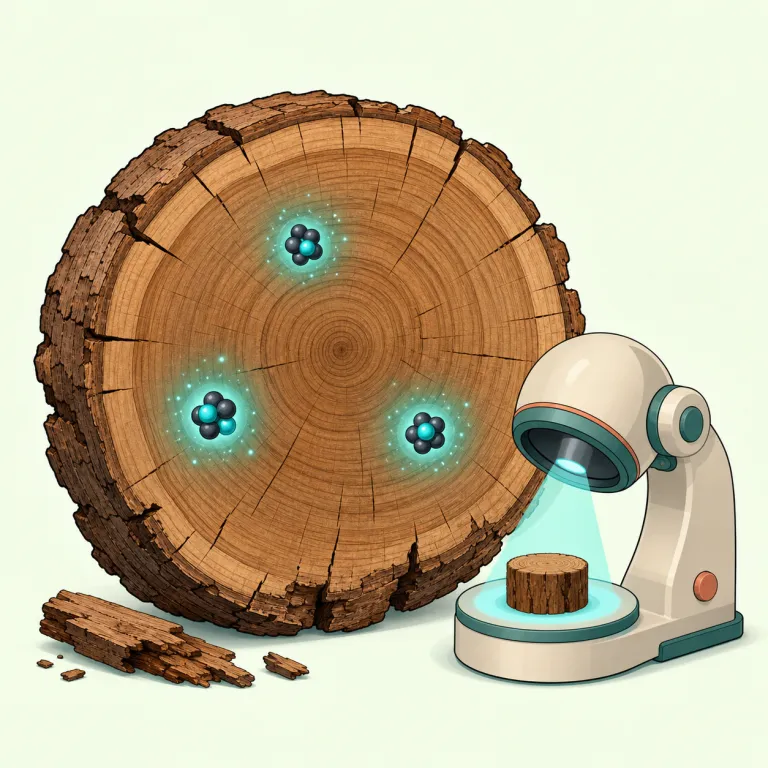
放射性炭素
解説 Definition
放射性炭素は炭素の同位体のうち、自然に放射線を出すものを指します。生体が取り込んだ二酸化炭素と同様の割合で存在し、時間がたつとともに放射能を失うため、その崩壊をたどることで年代がわかります。考古学や古生物学で遺物の年代を推定する際に、放射性炭素年代測定法として不可欠な物質です。
Radiocarbon is a radioactive form of carbon found in nature. It is especially known for being used to measure the age of very old objects, such as bones or wood. This word is common in science, archaeology, and geology.
覚え方のコツ Memory Tip
radioactive(放射性の)や radiation を知っていれば、radio- は「放射線が出る」側の合図だとつかめます。carbon は carbon dioxide や carbon fiber の carbon と同じ。つまり radiocarbon は「放射線を出す炭素」とまとめて覚えるのが近道です。単語単体より radiocarbon dating(放射性炭素年代測定)という頻出表現で覚えると、考古学で年代を測る場面まで一緒に思い出せます。radio を「ラジオ放送」と取らないことにも注意。
Do not think of a radio you listen to. Here `radio-` connects with `radiation` or `radioactive`, and `carbon` is the familiar chemical word. The phrase `radiocarbon dating` is the best memory anchor because it appears so often.
例文
Archaeologists use radiocarbon dating to determine the age of ancient artifacts.
考古学者は放射性炭素年代測定で古代の遺物の年代を調べます。
Radiocarbon analysis revealed the fossil was 10,000 years old.
放射性炭素分析は化石が10,000年前のものであることを明らかにしました。
The radiocarbon method has been crucial in understanding human history.
放射性炭素法は人類の歴史を理解するうえで重要です。
radiocarbon の類義語・関連語
紛らわしい語
radiocarbon の語源・成り立ち Etymology
radiocarbon は Latin radius「光線」由来の radio- と、carbo「石炭」由来の carbon の複合語で、radiation や radial とつながります。文字どおり「放射線を出す炭素」なので、年代測定で使う炭素14を指す語だと意味の芯が見えます。
Radiocarbon is a modern compound of radio- and carbon. Radio- comes from Latin radius, meaning "ray," and carbon comes from Latin carbo, meaning "coal." The word was formed for carbon that gives off radiation, especially the type used in dating ancient materials.
同じレベルの語彙をもっと
外部辞書で調べる
この英単語をクイズで覚えよう