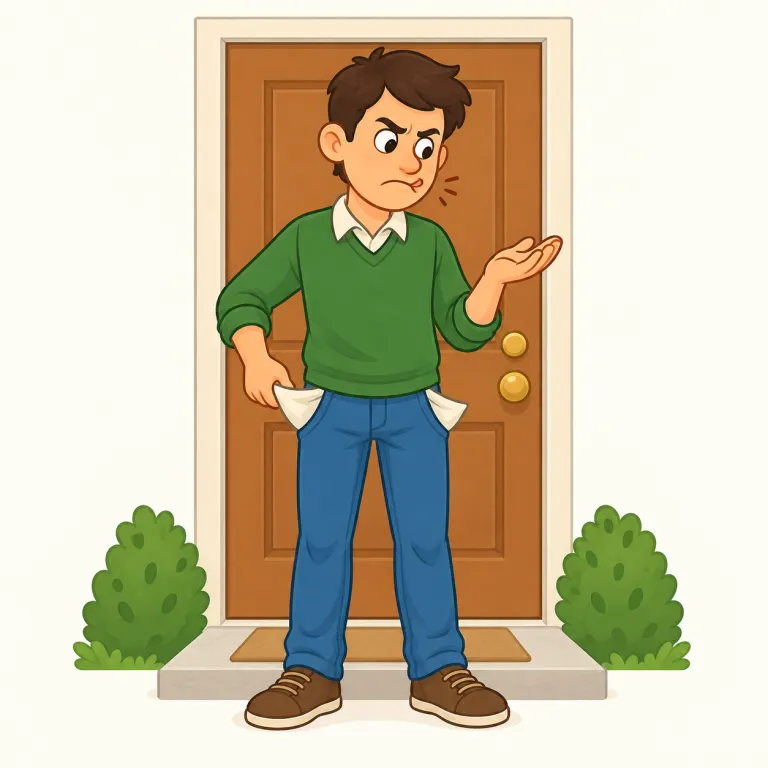
ちっ(不満などを表す舌打ち)
解説 Definition
不満、いら立ち、軽い非難などを示す、短い舌打ちの音を書き表す間投詞。音そのものについて述べる場合は、名詞的に扱われることもあります。
A written representation of a short tongue-clicking sound used to express annoyance, impatience, disapproval, or mild reproach. It may also refer to the sound itself when discussed as a vocal gesture.
使い方 Usage
使い分け Common distinctions
- tsk や tut も似た舌打ちや非難を表す表記です。実際の気持ちの強さは文脈によって変わります。 Tsk and tut can represent similar clicks or disapproval. The strength of the feeling depends on the context.
覚え方のコツ Memory Tip
語を分解するより、失敗に気付いて「ちっ」と舌を鳴らす場面を思い浮かべましょう。tch は、その短い音と不満な態度を書き表す表記です。
Picture someone noticing a mistake and making a short tongue click. Tch writes down that sound and the annoyance or disapproval it conveys; it is not a word to split into meaningful parts.
例文
Tch, I forgot my keys again.
ちっ、また鍵を忘れた。
Tch, that was careless of you.
まったく、不注意だったね。
tch の類義語・関連語
類義語
派生語
紛らわしい語
tch の語源・成り立ち Etymology
tch は古典語から来た語ではなく、英語で舌打ちに近い短いクリック音をそのまま写した擬音語です。t と ch の綴りで歯音の切れを表し、tsk や tut と近い仲間なので、「不満・たしなめ」の気持ちが音そのものに乗った語だと分かります。
Tch is imitative: its spelling attempts to represent a brief click or tongue sound rather than continuing a word inherited from an ancient language. The letters t and ch suggest the sound’s sharp oral release to English readers. Its exact pronunciation and emotional force vary with context and speaker. It is closely comparable in formation and use to other written tongue-click sounds such as tsk and tut.
同じレベルの語彙をもっと
外部辞書で調べる
この英単語をクイズで覚えよう