ガラスの入っていない
adjective 形容詞窓、扉、開口部などにガラスがはめられていない状態を表す。陶磁器に釉薬がないという既存語義とは異なり、unglazed windowやunglazed openingのように建物の構造や設備について使われる。
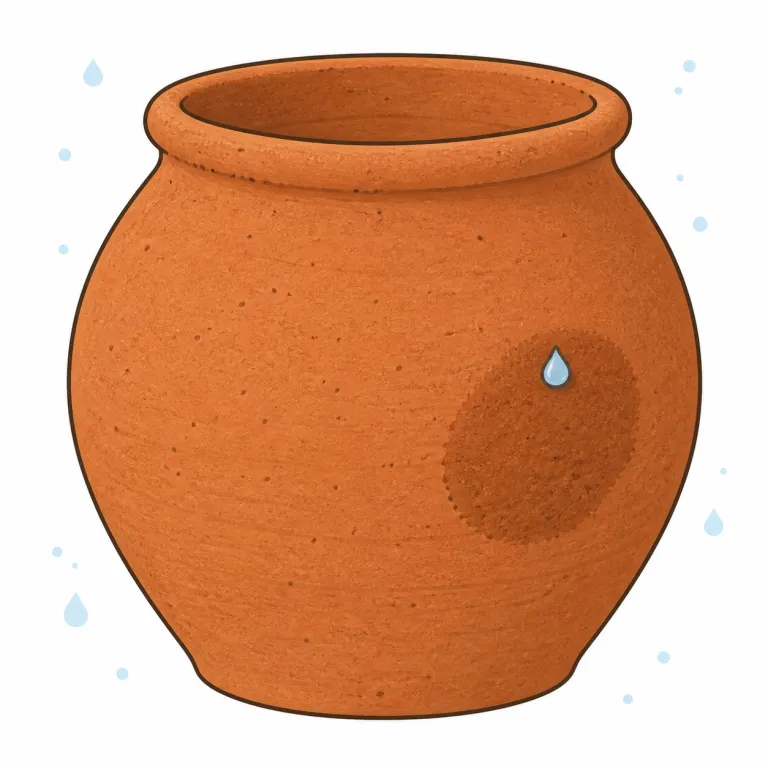
釉薬を塗らずに焼いた陶磁器。表面が素のままで多孔性があり、吸収性が高い。
Unglazed describes pottery, tiles, or surfaces that do not have a smooth glass-like coating. Because of this, the material often looks more natural, rougher, or more absorbent than glazed material.
まず un- は「反対・なし」の定番接頭辞なので、unhappy と同じ感覚で「glazed ではない」と見ます。glaze は陶器やドーナツの表面にかかる“つや・コーティング”を思い出すとよく、glazed pottery が「釉薬あり」、unglazed pottery / unglazed tile が「釉薬なし」。つるつる光る表面ではなく、ざらっとして水を吸いやすい素材感まで一緒に結ぶと定着しやすいです。
Think of `glazed` pottery or a glazed donut with a shiny coating. Then `un-` simply removes that idea: `unglazed` means without the glaze. The contrast between smooth, shiny `glazed` and rougher `unglazed` helps it stick.
The unglazed pottery shows the natural clay color.
素焼きの陶器には粘土本来の色が出ている。
Unglazed ceramics are often more porous and absorbent.
素焼きの陶磁器は、多くの場合、より多孔質で吸水性が高い。
The unglazed tiles had no shiny coating on their surface.
その素焼きのタイルには、表面を覆う光沢のある釉薬がなかった。
文脈によって、次の意味でも使われます。
窓、扉、開口部などにガラスがはめられていない状態を表す。陶磁器に釉薬がないという既存語義とは異なり、unglazed windowやunglazed openingのように建物の構造や設備について使われる。
unglazed は un-「ない」+ glazed から成り、glaze は中英語 glasen、さらに古英語 glæs「ガラス」に由来します。もとは「ガラスのように光沢を与える」が核なので、unglazed は「つや掛けしていない・素焼きの」という意味になります。関連語は glass、glazier。
Unglazed comes from un- plus glazed. Glaze is related to Middle English glasen and Old English glaes, meaning "glass." Because glaze first meant giving something a glass-like surface or shine, unglazed came to mean left without that coating or shine. Related words include glass and glazier.
この英単語をクイズで覚えよう