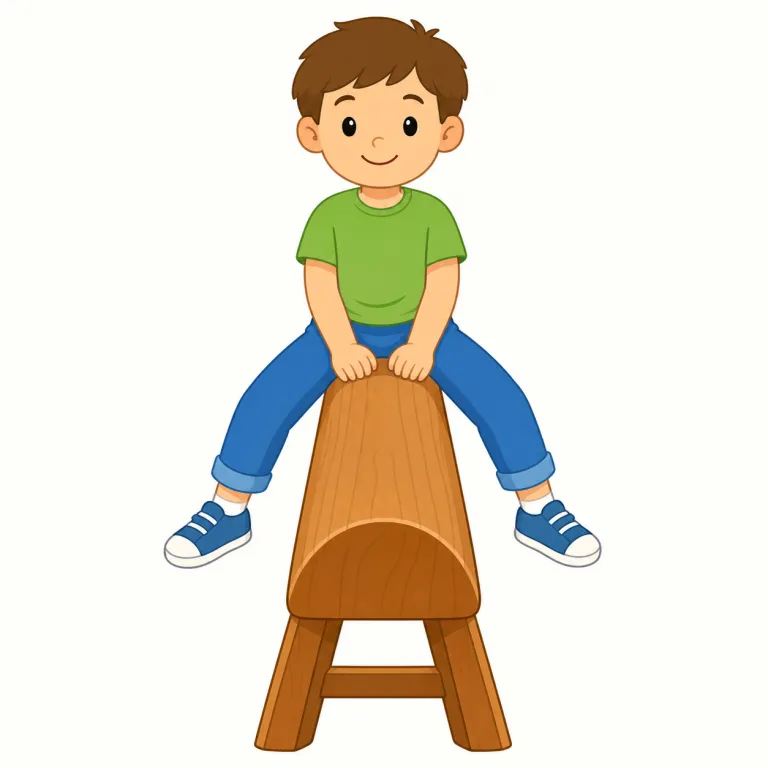
両側にまたがって、横切って
preposition 前置詞川・道路・国境などの両側に広がる、またはそれを横切る位置にあることを表します。lie astride a riverのように用い、両脚で物に乗る姿勢ではなく、地理的な配置を示します。
両足を左右に開いて乗る、または立つ状態。馬や椅子などに乗る際の典型的な姿勢。
Astride means with one leg on each side of something, especially when sitting or standing over it. It is commonly used for positions on a horse, bicycle, or other object that you can sit across.
a- は「その状態で」、stride は「大股で進む」。まず stride を知っていると、脚を広く出して動くイメージが作れるので、astride はそこから「両脚を左右に開いてまたがった状態」と覚えやすいです。sit astride a horse, stand astride a chair のように、物を脚で挟む場面でよく出ます。on が単に「上に乗る」なのに対し、astride は「またがって」が核心。似た語の straddle は動作そのもの、astride は姿勢・状態として読むと整理しやすいです。
Notice the part `stride`, which gives an image of wide steps and legs apart. `Astride` usually describes a position, with one leg on each side, as in `sit astride a horse`. A good contrast is `on` versus `astride`: not just on top, but on top with your legs around it.
The cowboy sat astride, with one leg on each side of the horse.
カウボーイは馬の両側に片脚ずつ垂らし、またがって座った。
She sat astride, with one leg on each side of the log.
彼女は丸太の両側に片脚ずつ垂らし、またがって座った。
The statue showed a warrior sitting astride, one leg on each side of a horse.
その像は、馬の両側に片脚ずつ垂らしてまたがる戦士を表していた。
文脈によって、次の意味でも使われます。
川・道路・国境などの両側に広がる、またはそれを横切る位置にあることを表します。lie astride a riverのように用い、両脚で物に乗る姿勢ではなく、地理的な配置を示します。
astrideは中英語のa-「〜の状態で」+ stride「またぐ・大股で進む」からできた語です。つまり「またいだ姿勢で」が原義で、馬にastrideが「足を両側に出して乗る」になるのも自然です。strideやstraddleが近い仲間です。
Astride comes from Middle English a- plus stride. The prefix a- meant being "in a state of," so the original sense was "in a striding or straddling position." From that, it came to mean sitting or standing with one leg on each side of something. Related words include stride and straddle.
この英単語をクイズで覚えよう