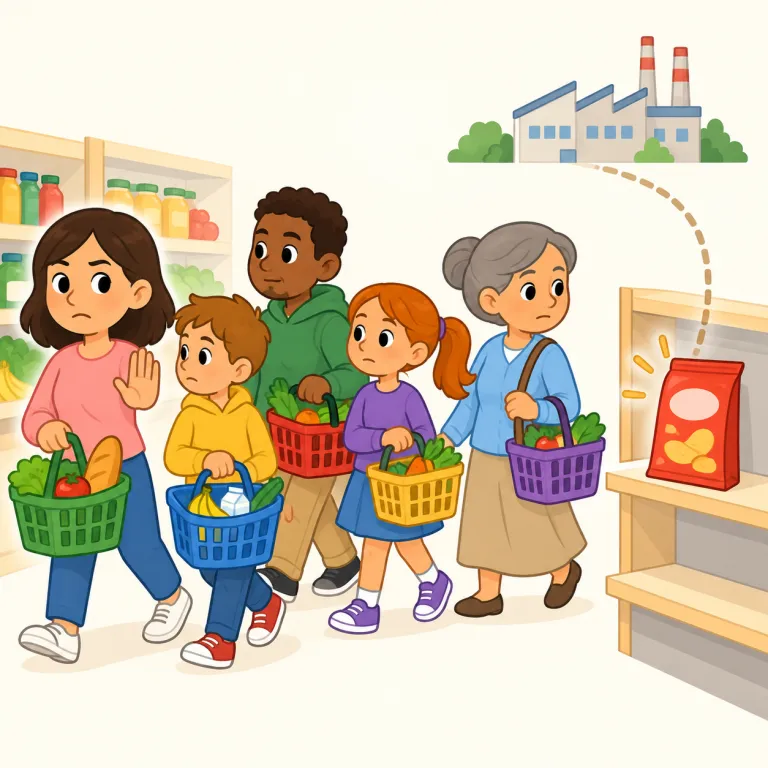
ボイコット
解説 Definition
boycotting は boycott(ボイコットする)の動名詞・現在分詞です。名詞的には、抗議のために商品や行事などを利用しない行動、つまりボイコットを表します。
Boycotting is the deliberate act of refusing to buy, use, attend, or deal with something as a form of protest or pressure. As a gerund, it presents this organized or purposeful refusal as an activity.
覚え方のコツ Memory Tip
原形 boycott「抗議のため利用・購入・参加を拒む」に -ing をそのまま付けた形で、発音は /ˈbɔɪkɑːtɪŋ/。名詞的には boycotting a product のように、拒否する行動そのものを表します。単なる avoiding ではなく、相手に圧力をかけたり意思を示したりする抗議目的が核です。
Take the verb boycott and add -ing without any spelling change: boycotting is pronounced /ˈbɔɪkɑːtɪŋ/. Remember it as an action by learning patterns such as boycotting a product, boycotting a company, and boycotting an event. The important idea is purposeful refusal: people stop buying, using, attending, or cooperating in order to protest or create pressure. This separates boycotting from ordinary avoiding, which may be based only on personal preference, convenience, or fear and need not send a public message.
例文
Boycotting the event was their way to protest.
そのイベントをボイコットすることが、彼らの抗議の方法でした。
The group discussed boycotting the company for one month.
その団体は、その会社を1か月ボイコットすることを話し合いました。
Boycotting a product can send a clear message to its maker.
製品をボイコットすることは、製造元にはっきりした意思を伝える手段になり得ます。
boycotting の類義語・関連語
boycotting の語源・成り立ち Etymology
boycotting は boycott に -ing が付いた形で、語源は1880年に排斥運動の対象となった英人地主代理 Charles Boycott の姓です。固有名詞が「取引や接触を断つ行為」一般の語になった例で、背景を知ると意味が鮮明になります。関連語は boycott, boycotter です。
Boycotting is the -ing form of boycott. The verb arose in 1880 from the surname of Charles Boycott, a British land agent in Ireland who became the target of organized social and economic isolation during a land dispute. His name quickly became a verb for refusing contact or business as collective pressure. Adding the regular suffix -ing creates the present participle or gerund, with no change to the spelling of the base word.
同じレベルの語彙をもっと
外部辞書で調べる
この英単語をクイズで覚えよう