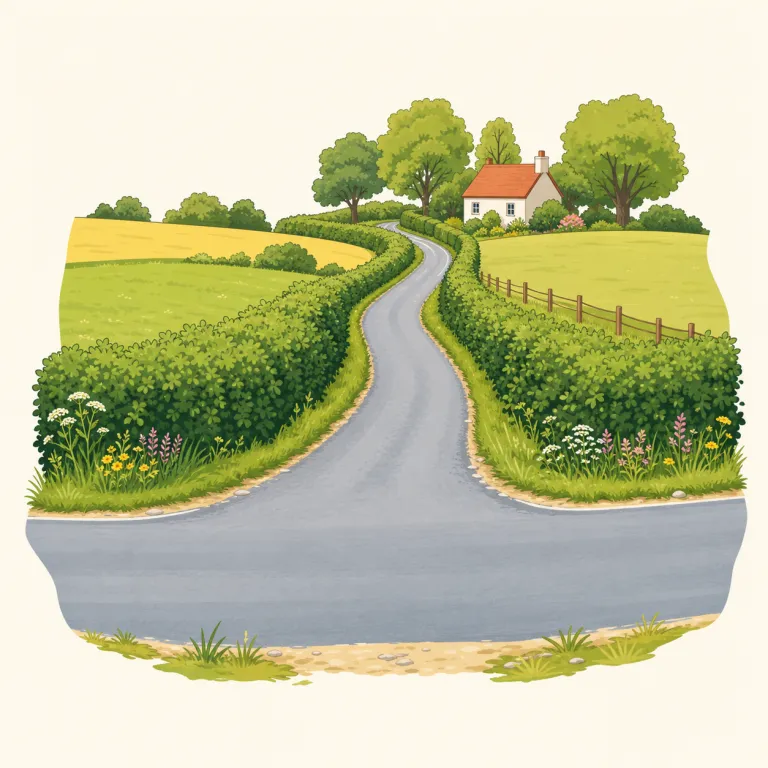
知られざる領域、脇道
noun 名詞知識・研究・人生などの、主流から外れたあまり知られていない領域や経路を比喩的に指す。the byways of history のように複数形で現れることが多く、物理的な脇道とは区別される。
主要な道路から外れた脇道。人通りが少なく、比較的静かな小路や経路を指す。
A byway is a small road or path away from the main road. It can also mean a less important or less well-known part of a subject or activity.
まず `way` が「道」と分かれば半分取れます。`by` は `stand by` や `sit by the window` のように「そばに」という感覚が強いので、`byway` は「本道のそばにある道」とまとめて覚えると定着しやすいです。`highway` が大きな幹線道路なら、`byway` はそこから外れた静かな脇道という対比で整理すると混同しません。旅行・散歩・田舎道の場面で出やすく、中心ルートではなく少し外れたルートを思い浮かべるのがコツです。
Notice the two parts: `by` + `way`. `Way` is a road or path, and `by` often gives the feeling of “beside” or “off to the side,” so a `byway` is a smaller road away from the main route. Remember it by contrasting it with `highway`.
They took a byway through the countryside to avoid the main highway.
彼らは主要幹線道路を避けるために田舎の脇道を通った。
The byway led to a hidden village that few tourists ever discovered.
その脇道は、ほとんど観光客に知られていない隠れた村につながっていた。
Local residents preferred the quiet byway for their morning walks.
地元の住民は、朝の散歩にはその静かな脇道を好んで使った。
文脈によって、次の意味でも使われます。
知識・研究・人生などの、主流から外れたあまり知られていない領域や経路を比喩的に指す。the byways of history のように複数形で現れることが多く、物理的な脇道とは区別される。
「byway」は古英語の by「そばに」と way「道」から成る語で、直進する本道の“わきを行く道”が原義です。highway や bypath も同系で、「脇道、小道」という意味になるのは語の形そのものが位置関係を示しているからです。
"Byway" is made from Old English "by," meaning "beside," and "way." Its original sense was a road that goes beside the main road rather than along the main route itself. From that idea, it developed into the meaning of a side road or less direct path. It is related to words like "highway" and "bypath."
この英単語をクイズで覚えよう