私の言うことが分かりますか、ちゃんと聞いていますか
idiom 熟語相手に声が物理的に届くかではなく、自分の発言をきちんと聞いて理解しているか念を押す表現です。強い口調で言うと、指示や警告を無視しないよう求める叱責・注意喚起の響きを伴うことがあります。
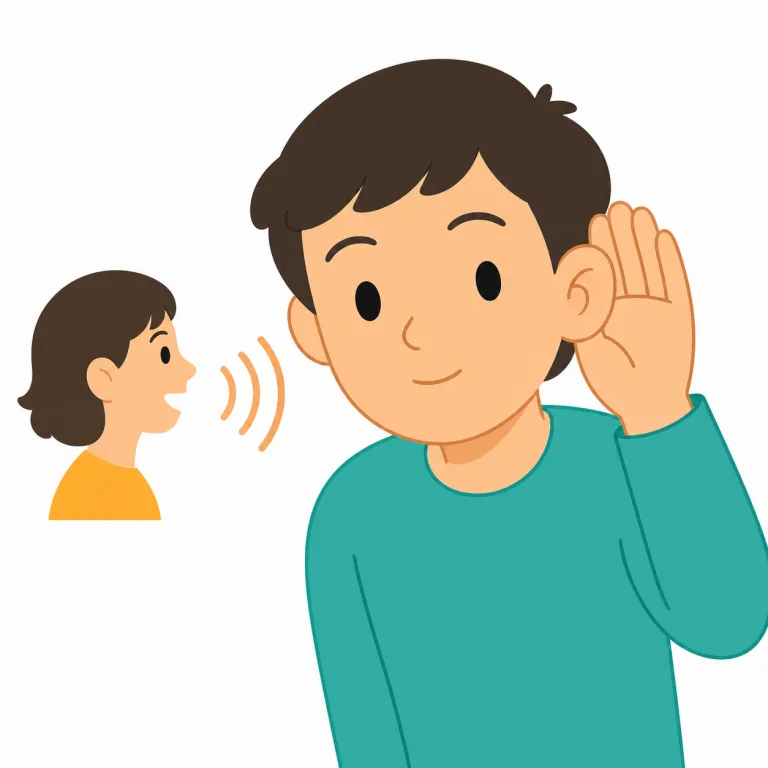
can you hear me は英検3級レベルの英語表現で、「聞こえますか」という意味があります。発音記号は /ˈkæn ˈjuː ˈhɪr ˈmiː/ です。
相手に自分の声が届いているかを確認するときの定番表現です。電話やビデオ通話、オンライン会議、マイクテストなどで広く使われます。接続直後や通信が不安定な場面で、会話を始める前の音声確認として用いられることが多いです。
This phrase asks whether the other person can hear your voice during a phone or online call. It is commonly used when the sound is weak, unclear, or cutting out. It is a basic expression for checking audio communication.
まず hear を「音が耳に入る」の基本語として押さえると覚えやすいです。listen が「注意して聞く」なのに対し、hear は「聞こえるかどうか」。だから can you hear me? は直訳で「私の声はあなたに聞こえていますか?」となり、電話・通話・会議の冒頭でそのまま使えます。Can you see me? と並べると、音声確認は hear、映像確認は see と整理でき、接続チェックの定番句として記憶に残ります。
Remember the contrast: `listen` is active, but `hear` is passive. So `Can you hear me?` is the standard sound-check question, especially on a call or in a meeting. Pair it with `Can you see me?` to remember: `hear` for audio, `see` for video.
Can you hear me clearly, or should I move closer to the microphone?
私の声ははっきり聞こえますか。それともマイクにもっと近づいたほうがいいですか。
If you can hear me, please raise your hand.
私の声が聞こえたら、手を挙げてください。
Can you hear me now that I've switched headphones?
ヘッドホンを替えましたが、今は私の声が聞こえますか。
文脈によって、次の意味でも使われます。
相手に声が物理的に届くかではなく、自分の発言をきちんと聞いて理解しているか念を押す表現です。強い口調で言うと、指示や警告を無視しないよう求める叱責・注意喚起の響きを伴うことがあります。
hearは古英語hīeran(聞く)から、ゲルマン祖語*hauzijanąに遡る。ドイツ語hören、オランダ語horenと同根。ラテン語系のaudio(聞く)とは別系統で、英語では日常語にゲルマン系、学術語にラテン系と棲み分けている。
The main word here is hear, from Old English hīeran, which comes from an older Germanic root. It is related to German hören and Dutch horen. Unlike learned words such as audio, which come from Latin, hear stayed the everyday Germanic word for this idea in English.
この英語表現をクイズで覚えよう