杖で打つ、むち打つ
verb 動詞罰として、細い杖で人を繰り返し打つことを表します。主に英国英語で cane someone の形を取り、学校での体罰や司法罰などについて述べる際に使われます。
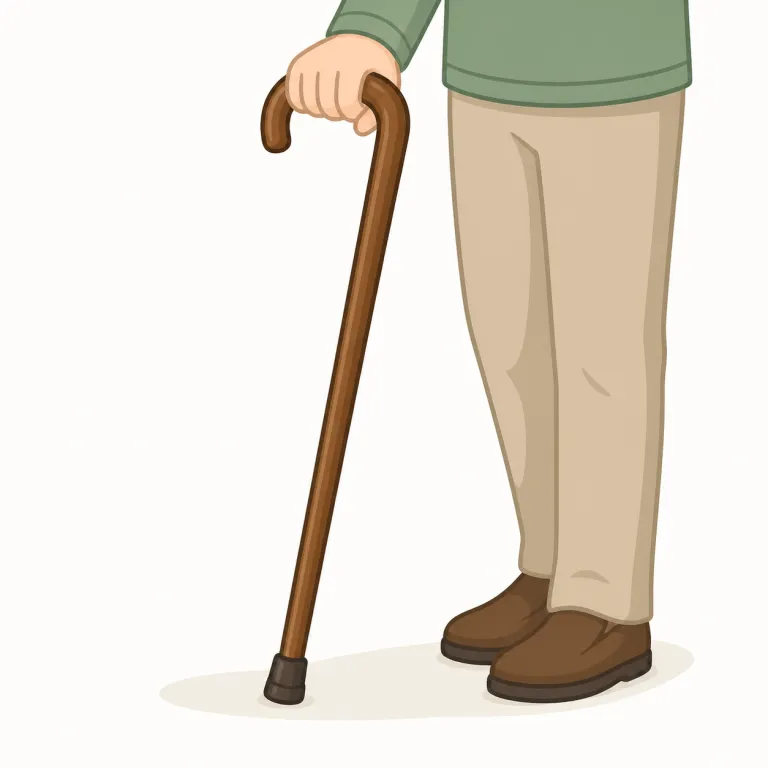
cane はTOEIC 860・TOEFL 80・IELTS 6.5レベルの英単語で、「杖」という意味があります。発音記号は /keɪn/ です。
「杖」とは、歩行を補助する棒状の道具で、高齢者や怪我をした人が体重を支えるのに使用します。素材は木や金属などさまざまで、手になじむ形や長さに調整されます。また、サトウキビや竹などの植物の茎を指すこともあります。
A cane is a stick used to help someone walk and keep balance. It is commonly used by older people or by people with an injury or physical difficulty. In some contexts, cane can also mean a type of plant stem, but the walking aid meaning is more common in everyday use.
cane はまず walking cane で覚えると定着しやすいです。stick がただの「棒」なのに対し、cane は細長く、手に持つ杖や植物の節のある茎を連想するとまとまります。sugarcane(サトウキビ), white cane(白杖), wooden cane などの形でよく出るので、「まっすぐな茎のような棒」→「歩行を支える杖」と一本のイメージで結ぶのがコツ。staff ほど大きく権威的ではなく、日常の補助具寄りです。
Remember it first in walking cane. A cane is not just any stick; it suggests a thin, straight support you hold in your hand. Other common combinations like sugarcane and white cane help build one clear image of a long, straight cane-like shape. That image is easier to keep than the single word alone.
Bamboo canes are very strong.
竹の茎は非常に強い。
She walked with a cane for support.
彼女は支えにするために杖をついて歩いた。
The old man gripped his cane before crossing the street.
年配の男性は通りを渡る前に杖をしっかり握った。
この語をはじめて出題された 34人 のうち 25人 が正解しました(74%)。
えいたんごクイズの回答から集計した独自データです。1人につき最初に出題されたときの1回だけを数えており、復習や2回目以降の回答、「わからない」と時間切れは含みません。 集計時点は 2026年9月19日 です。
文脈によって、次の意味でも使われます。
罰として、細い杖で人を繰り返し打つことを表します。主に英国英語で cane someone の形を取り、学校での体罰や司法罰などについて述べる際に使われます。
cane は古フランス語 cane を経てラテン語 canna「葦・細い茎」にさかのぼる語で、目立つ接頭辞や接尾辞はありません。もとは植物のまっすぐな茎なので、杖が“削った棒”というより“茎の延長”として名づけられたと分かります。関連語は canna, cannula です。
Cane came through Old French from Latin canna, meaning a reed or hollow stalk. It originally referred to a straight plant stem, and then to objects made from such stems. That is how it came to mean a walking stick or rod. Related words include canna and cannula.
この英単語をクイズで覚えよう