stick
stick はTOEIC 730・TOEFL 60・IELTS 5.5レベルの英単語で、「棒、貼り付ける、くっつく」という意味があります。発音記号は /stɪk/ です。
意味一覧 (3件)
棒
解説 Definition
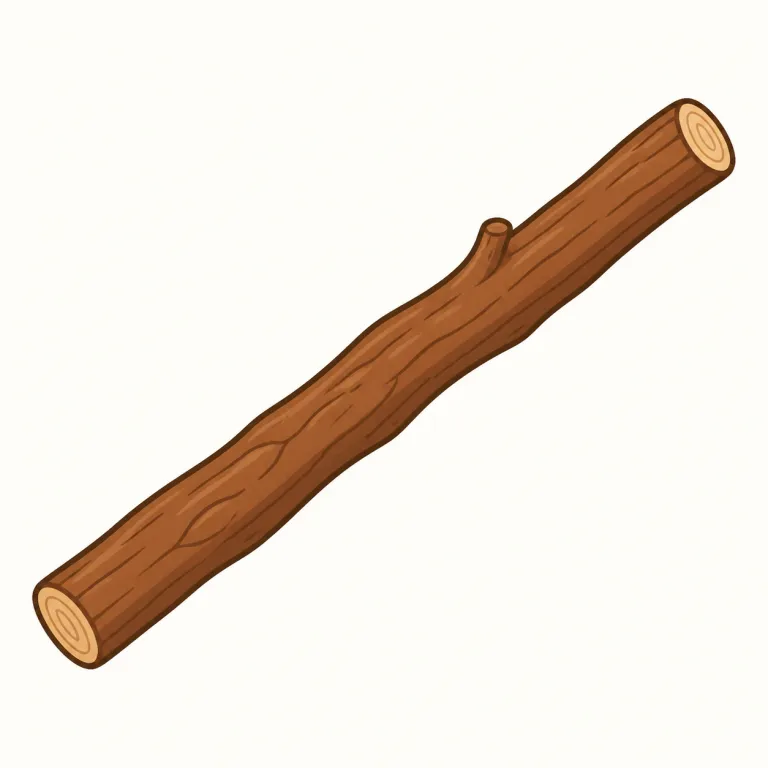
棒は細長い硬い物体のことを指します。木や金属などで作られた細長い形状のものを総称します。杖や棒きれなど、様々な用途で使われます。
A stick is a long, thin piece of wood, often from a tree. It can be used as a simple tool, a support, or something to hit or point with. In everyday English, it usually refers to a basic natural object rather than a carefully made item.
覚え方のコツ Memory Tip
stick はまず動詞の「くっつく・貼り付く」で覚えている人が多いので、名詞では「手に持てる細長い1本のもの」と整理すると残りやすいです。tree branch より人工物も含めて広く、walking stick, a stick of wood のように使えます。長くて細いという形が核で、rod より日常的で素朴、bar ほど硬く整った感じでもありません。動詞 stick と同語なので、「突き出た細い棒」から両方を連想すると定着します。
Many learners know `stick` first as a verb, but as a noun it means a long, thin piece you can hold. Keep the shape in mind: simple, narrow, and straight. Phrases like `walking stick` or `a stick of wood` help the noun stay clear.
例文
This stick is long.
この棒は長いです。
I see a stick.
私は棒を見ます。
The dog has a stick.
その犬は棒を持っています。
えいたんごクイズでの正答率
この語をはじめて出題された 36人 のうち 36人 が正解しました(100%)。
えいたんごクイズの回答から集計した独自データです。1人につき最初に出題されたときの1回だけを数えており、復習や2回目以降の回答、「わからない」と時間切れは含みません。 集計時点は 2026年9月19日 です。
貼り付ける
(意味 2)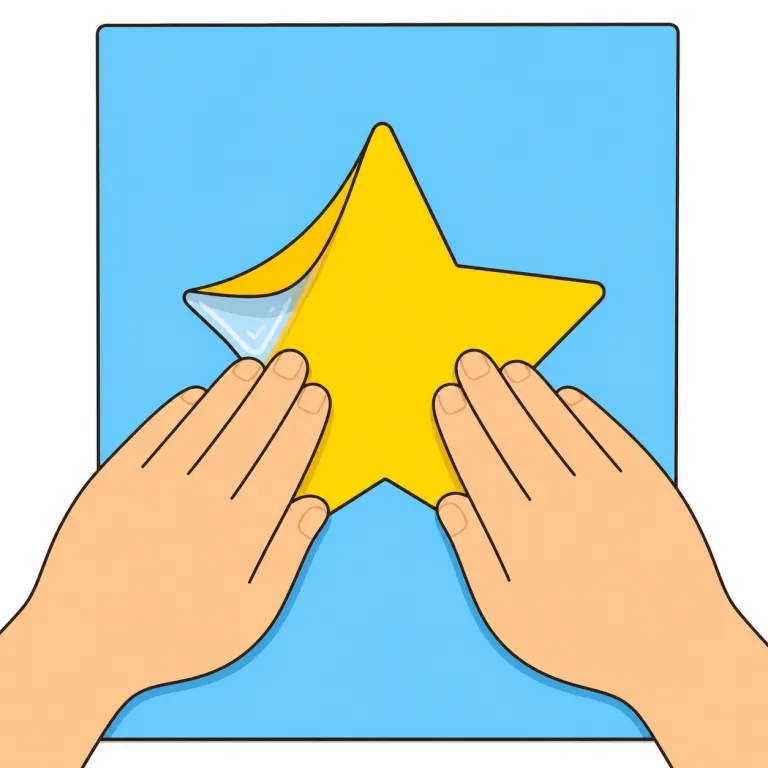
解説 Definition
物を別の面や場所にくっつけるときの動詞。テープ・のり・磁石などを使って、紙やメモ、ラベルなどを壁・箱・ドアに貼る場面でよく使う。日常会話では、細長い棒ではなく「何かを貼り付ける」という基本動詞として非常に頻出。
To attach something to a surface so that it stays there, often using glue, tape, or a magnet. This verb is commonly used for putting labels, notes, or pictures onto another object.
覚え方のコツ Memory Tip
stick は名詞の「棒」だけでなく、動詞では「ぴたっと貼り付ける」と覚えるのが大切です。She stuck a note on the fridge. なら、メモを冷蔵庫に押し当てて動かないようにした場面。細長い棒を思い浮かべるより、シール、ラベル、メモが面にくっつく動作をイメージすると使いやすいです。put より「離れないように付ける」感じが強い、と切り分けると定着します。
Picture pressing a sticker or note onto a surface so that it stays in place. Learn "stick something on" and "stick something to" as useful patterns. Unlike simply putting something somewhere, this action makes it stay attached.
例文
She stuck a note on the fridge.
彼女は冷蔵庫にメモを貼り付けた。
Stick the label on the box, please.
その箱にラベルを貼ってください。
He stuck the photo to the wall with tape.
彼はテープで写真を壁に貼り付けた。
くっつく
(意味 3)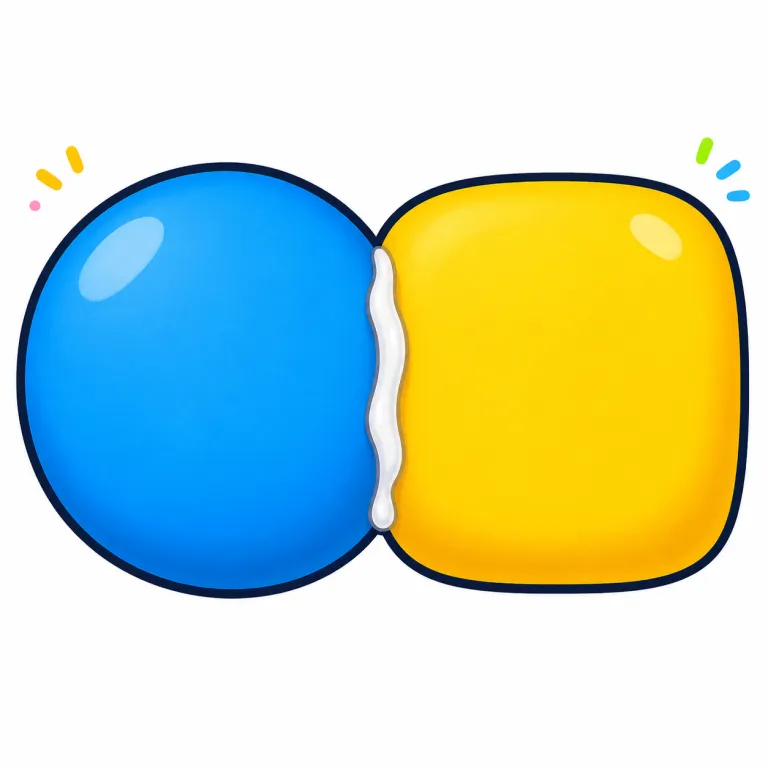
解説 Definition
物が何かの表面にくっついた状態になることを表す動詞。シールや紙がうまく貼り付く場合にも、ガムや泥が靴にべたっと付いて離れない場合にも使える。自分で動作するというより、結果として密着する感覚が中心で、日常の具体的な付着を述べるときに基本的に使う。
To become attached to a surface and stay there. This describes everyday things such as labels staying on paper or gum clinging to a shoe.
覚え方のコツ Memory Tip
stick は名詞の「細長い棒」と切り分けて、動詞では「ぴたっとくっついて離れない」と覚えると自然です。This sticker won't stick. は、シールが面に密着せずはがれてしまう感じ。ガムや泥が靴に stuck する時も、自分で貼る動作より「結果として付いている」状態が中心です。attach より日常的で、べたっと残る具体的な付着を表す語として押さえましょう。
Picture something pressed against a surface that does not come off easily. In "This sticker won't stick," the sticker fails to stay attached. Focus on the resulting attachment, as with gum or mud on shoes.
例文
This sticker won't stick to the wet surface.
このシールはぬれた面には貼り付かない。
Chewing gum stuck to my shoe.
ガムが私の靴にくっついた。
Mud stuck to the tires after the rain.
雨のあと泥がタイヤにくっついた。
stick の類義語・関連語
stick を含む表現
句動詞・イディオムなど 12 件。クリックで各表現の詳細へ。
stick の語源・成り立ち Etymology
stick は古英語 sticca「小枝、細い棒」に由来し、さらにゲルマン祖語を経て「刺す・突き立てる」という古い語根にさかのぼります。もともと「先のとがった棒」のイメージがあり、だから単なる棒だけでなく「突き刺さる」「くっつく」という動詞の stick にもつながります。
Stick comes from Old English sticca, meaning "rod" or "small branch," and it goes back to an old Germanic root linked with pricking or piercing. The earliest idea was probably a pointed piece of wood. From that image, English developed both the noun for a thin piece of wood and the verb meanings "to pierce" and later "to cling." The history connects the shape of the object with the actions it can do.
同じレベルの語彙をもっと
TOEIC 730の一覧へ →外部辞書で調べる
この英単語をクイズで覚えよう