鈍器で殴る
verb 動詞主に英国英語で、人の頭などを警棒や重い棒で殴ることを表す。犯罪報道などでは受け身の be coshed でも用いられ、単に打つよりも、襲撃して気絶または負傷させる含みがある。
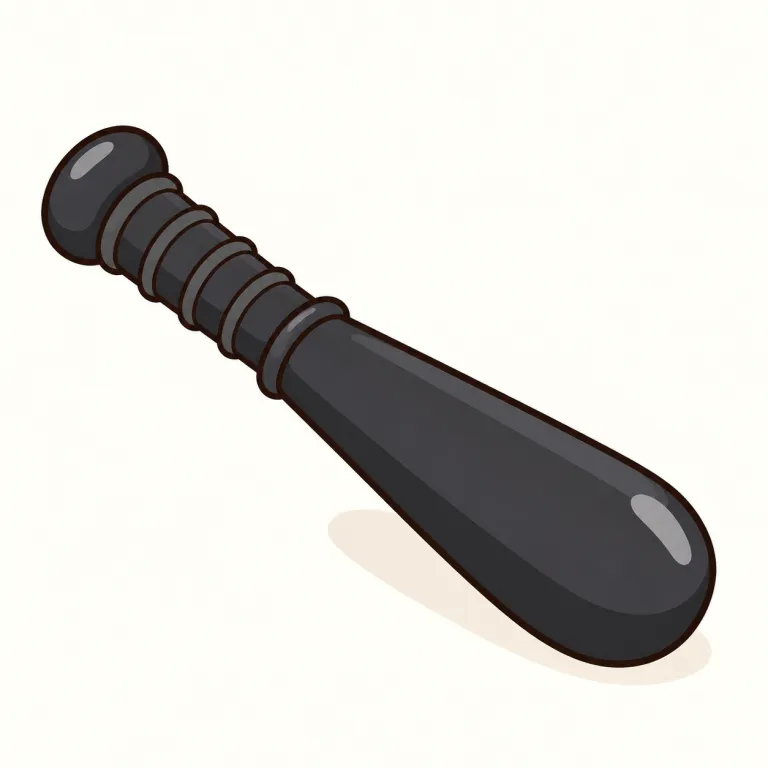
警棒のような先端が重くされた棒状の鈍器。イギリス英語で、人を殴る際に使う武器を指す。
A cosh is a short, heavy stick used as a weapon. The word is mainly British English and often appears in discussions of crime, policing, or older forms of self-defense.
まずclubやbatonを基準に置き、coshはその中でも「短くて重く、殴る用途が前面に出た棒」と覚えると残りやすい語です。carry a cosh, hit someone with a cosh のように、持つ・振る・殴るといった暴力的な場面と結びつけるのがコツ。英語圏でもややイギリス英語寄りで、ただの stick や rod ではなく武器としての鈍器を指します。truncheon や club に近いが、短く重い手持ち武器という像を固定すると混同しにくくなります。
Learn it next to `club` or `baton`, since it belongs to that family of words. A `cosh` is especially easy to remember as a short, heavy weapon for hitting. It often appears in violent contexts, so that dark image helps fix it in memory.
He received a blow from a cosh to the head.
彼は鈍器で頭を殴られた。
The victim bore a large bruise on his shoulder from the cosh.
被害者の肩には鈍器による大きなあざがあった。
The assailant carried a cosh under his coat.
襲撃者は上着の下に鈍器を隠し持っていた。
文脈によって、次の意味でも使われます。
主に英国英語で、人の頭などを警棒や重い棒で殴ることを表す。犯罪報道などでは受け身の be coshed でも用いられ、単に打つよりも、襲撃して気絶または負傷させる含みがある。
19世紀英語の俗語で、語源は確定していませんが、ロマニ語 kaš / kašt「棒・木片」に由来すると考えられます。関連語に動詞 cosh「警棒で殴る」があり、短く重い棒というイメージが、そのまま「警棒」の意味になったと捉えると納得しやすい語です。
Cosh is a 19th-century English slang word with uncertain origin, though it is often linked to Romani words such as kaš or kašt, meaning "stick" or "piece of wood." The related verb cosh developed from the noun. The basic image of a short heavy stick naturally led to the meaning of a club or bludgeon.
この英単語をクイズで覚えよう