意味一覧 (2件)
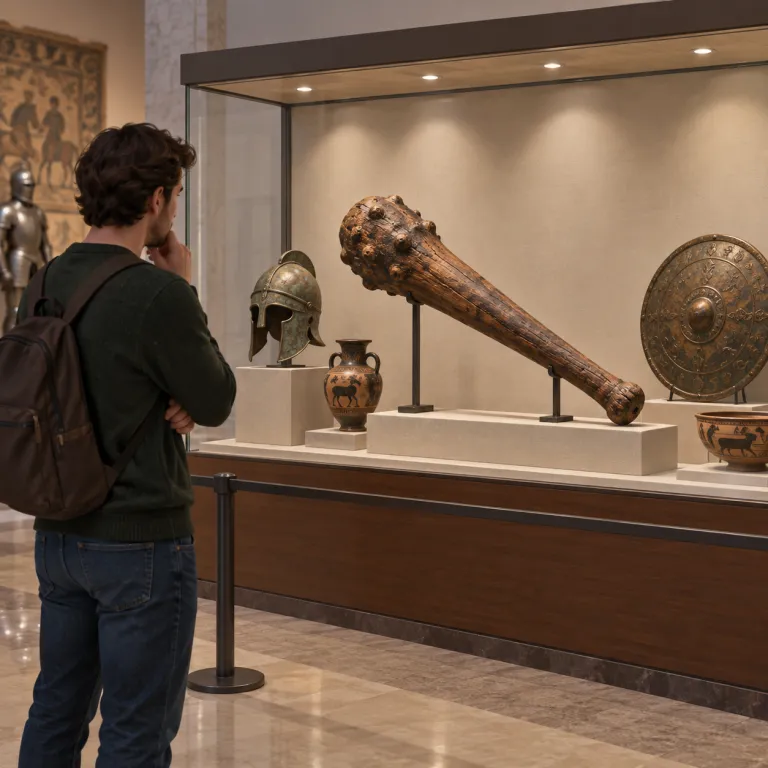
棍棒
/ verb 動詞 棍棒で殴る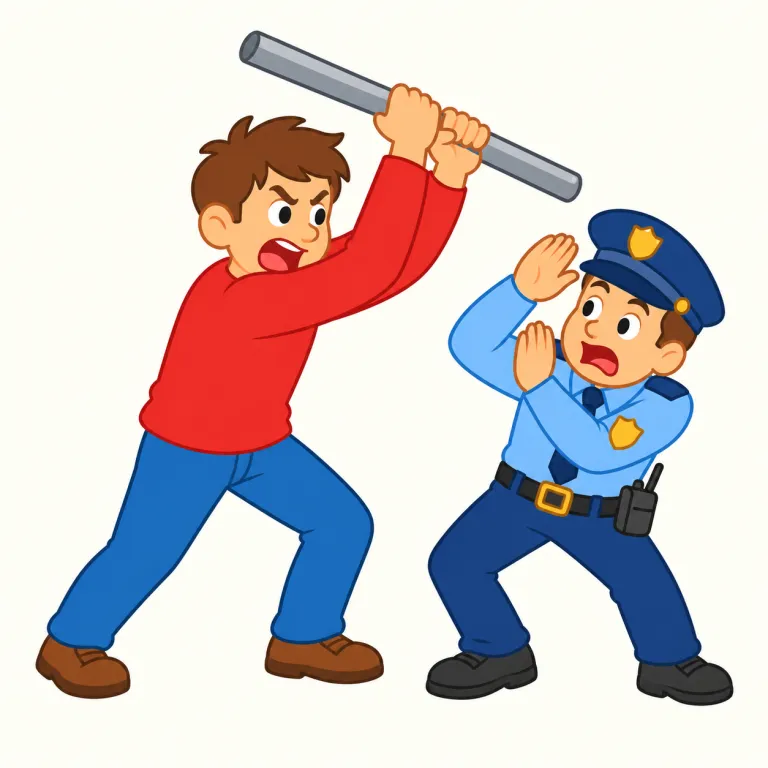
解説 Definition
人を殴る武器として使われる、太く重い棒や棍棒を指す名詞。
A bludgeon is a short, heavy stick or club used as a weapon.
覚え方のコツ Memory Tip
bludgeon は、人を殴る武器として使う太く重い棍棒を指します。a wooden bludgeon や carry a bludgeon のように使い、細い杖や歩行用のつえではなく、重さを利用して打撃を与える棒を思い浮かべます。この語義では動作ではなく武器そのものを表す名詞です。
For the noun, picture a stick short enough to swing but heavy enough to serve as a weapon: a bludgeon.
例文
The police found a wooden bludgeon beside the abandoned car.
警察は放置された車のそばで木製の棍棒を見つけた。
The guard confiscated the suspect's bludgeon at the entrance.
警備員は入り口で容疑者の棍棒を取り上げた。
A heavy bludgeon was displayed among the museum's old weapons.
博物館では古い武器に交じって重い棍棒が展示されていた。
圧力で無理強いする
(意味 2)
解説 Definition
威圧、執拗な主張、強い圧力などを使って、相手に行動や同意を無理に受け入れさせることを表す比喩的な他動詞。bludgeon someone into doing の形でよく使われる。
To bludgeon someone into an action or decision is to force or pressure them into it through aggressive, intimidating, or relentless means.
覚え方のコツ Memory Tip
bludgeonは、強く打ちつけるような威圧や圧力で、相手に何かを無理強いする比喩的な動詞です。bludgeon someone into doing「人に圧力をかけて〜させる」の形を手掛かりにしましょう。persuadeが説得するのに対し、こちらは相手の自由な同意を押しつぶす強引さを伴います。
Imagine heavy pressure acting like a club. The pattern bludgeon someone into doing something signals coercion rather than a physical blow.
例文
The lobbyists tried to bludgeon lawmakers into supporting the proposal.
ロビイストたちは議員に圧力をかけ、その提案を支持させようとした。
She refused to be bludgeoned into signing the agreement.
彼女は圧力に屈してその契約書に署名することを拒んだ。
The manager bludgeoned the team into accepting an unrealistic deadline.
部長はチームに圧力をかけ、非現実的な期限を無理に受け入れさせた。
bludgeon の類義語・関連語
bludgeon の語源・成り立ち Etymology
詳しい語源は不明です。英語ではまず短く重い棍棒を表す名詞として使われ、そこから動詞の用法が生じました。
Its deeper origin is uncertain. In English, it was first used as a noun for a short, heavy club, from which the verb developed.
同じレベルの語彙をもっと
外部辞書で調べる
この英単語をクイズで覚えよう