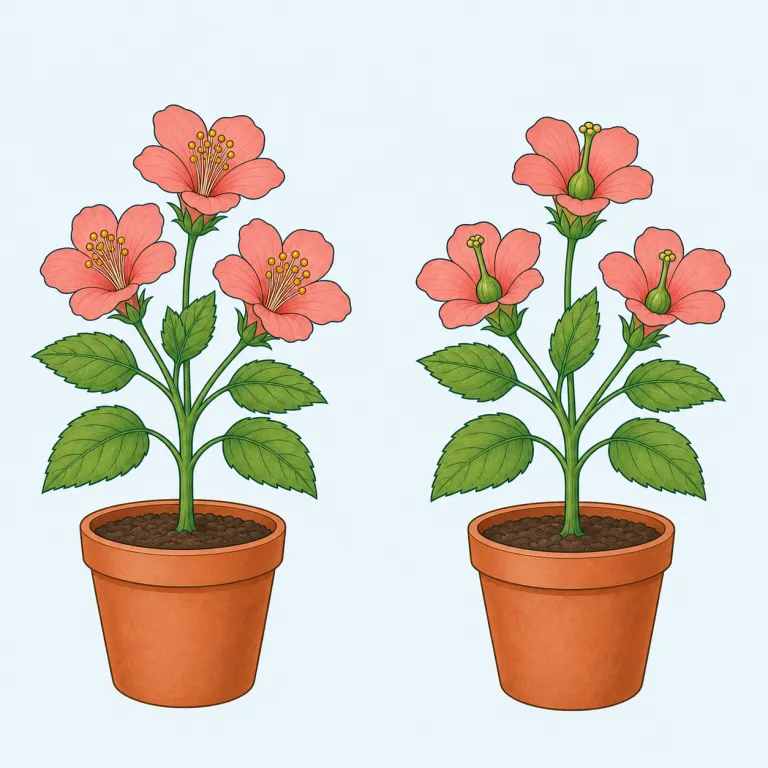
雌雄異株
解説 Definition
雌雄異株植物とは、雄と雌の生殖器官が異なる個体に分かれている植物を指す。繁殖には異なる性の個体が必要である。
Dioecious describes a plant species in which male and female flowers grow on separate individual plants. This is a scientific term used in biology and botany. It is mainly used in technical contexts rather than everyday English.
覚え方のコツ Memory Tip
植物用語では monoecious(雌雄同株)とセットで覚えるのが最短です。mono- が「1つ」なら、dioecious の di- は「2つ」と見て、雄株と雌株が別々の個体に分かれる語だと取れます。-oecious は植物の“性の配置”を表す形としてまとめて覚えると再利用しやすいです。図鑑では dioecious plant / dioecious species が頻出。hermaphroditic や bisexual は同じ個体・花に両性がある側なので、対比で整理すると混同しにくくなります。
The fastest way to remember this word is to pair it with `monoecious`. If `mono-` means one, then `di-` points to two, so the male and female parts are on separate plants. Keep `-oecious` as a special biology ending about how sex is arranged in plants. Learning the pair together makes the contrast stick.
例文
Dioecious plants require both male and female specimens for reproduction.
雌雄異株植物は繁殖のためにオスとメスの個体の両方を必要とする。
The dioecious ginkgo tree produces fruit only on female specimens.
雌雄異株のイチョウの木は、メスの個体でのみ実を結ぶ。
Understanding dioecious species is important in horticultural planning.
雌雄異株種を理解することは園芸計画において重要である。
dioecious の類義語・関連語
紛らわしい語
dioecious の語源・成り立ち Etymology
dioecious はギリシャ語 di-「二つ」と oikos「家」から成り、学術ラテン語を経て入った語です。字義は「二つの家をもつ」で、雄花と雌花が別々の株に宿ることを示し、ecology や economy にも同じ oikos が見えます。
Dioecious comes through scientific Latin from Greek di-, meaning "two," and oikos, meaning "house." The literal idea is "two houses," because the male and female parts are found on separate plants. The same Greek root oikos appears in English words like ecology and economy.
同じレベルの語彙をもっと
外部辞書で調べる
この英単語をクイズで覚えよう