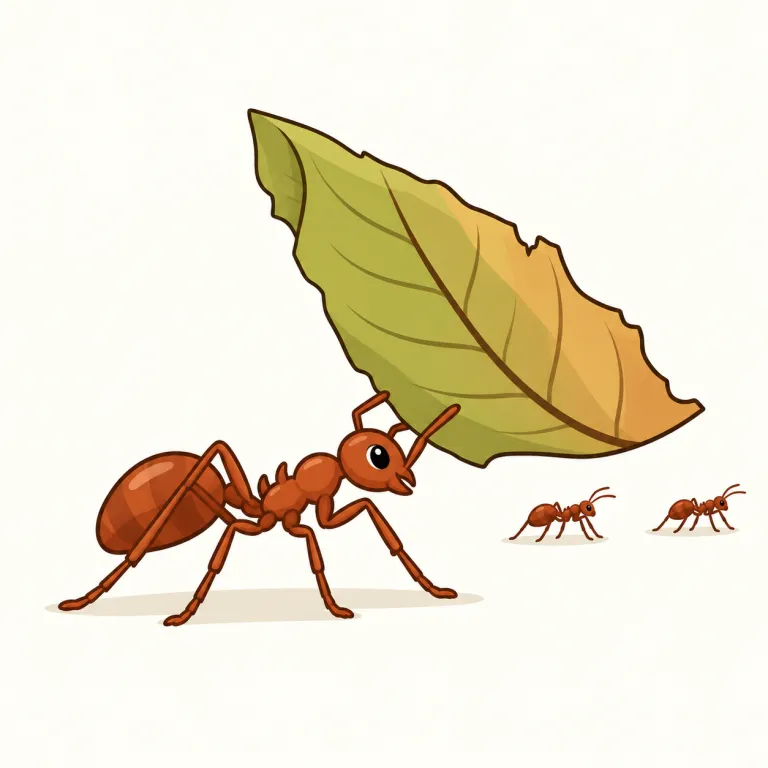
アリ
解説 Definition
アリは小型の社会昆虫であり、複雑な社会構造を持つコロニーで生活します。勤勉さの象徴として知られています。世界中のほとんどの環境に生息しています。
An emmet is an ant, especially in archaic or regional British usage. It denotes the small social insect that lives in an organized colony, but ant is the normal word in present-day standard English.
覚え方のコツ Memory Tip
emmet は現代の標準語 ant と同じ「アリ」ですが、古風または方言的な語です。古英語から続く語形で、アリがかむ姿に結び付けて説明されます。「an emmet」「industrious emmets」のように使い、日常会話では ant のほうが普通だと対比して覚えましょう。
Connect emmet directly with the familiar word ant, but attach a usage label to it: emmet is old-fashioned or regional, whereas ant is the everyday standard term. Its long history reaches back to Old English, and its deeper Germanic ancestry has traditionally been associated with biting, a useful link to an ant’s behavior. Picture an organized colony of industrious emmets carrying food together. In ordinary modern conversation, say “an ant”; expect emmet mainly in older writing, dialect, local names, or deliberately literary descriptions.
例文
An emmet can lift objects many times its own body weight.
アリは自分自身の体重の何倍もの物を持ち上げることができます。
Emmets work together in organized colonies with a complex social hierarchy.
アリは複雑な社会階級を持つ組織化されたコロニーで一緒に働きます。
The industrious emmet is often used as a symbol of hard work.
勤勉なアリはしばしば勤勉の象徴として使用されます。
emmet の類義語・関連語
emmet の語源・成り立ち Etymology
emmet は「アリ」を意味する古い語で、中英語 emete、さらに古英語 æmete / æmette にさかのぼります。ゲルマン祖語では「かみ切るもの」に近い形とされ、アリのかむ性質が語源に映っており、関連語に ant やドイツ語 Ameise があります。
Emmet descends from Middle English emete and Old English forms such as ǣmette, all meaning “ant.” Cognates occur elsewhere in the Germanic languages, including German Ameise. The deeper formation has often been interpreted as referring to a biting or nipping creature, although the exact prehistoric analysis is not completely certain. Ant developed from another Old English form and eventually became the standard modern English term.
同じレベルの語彙をもっと
外部辞書で調べる
この英単語をクイズで覚えよう