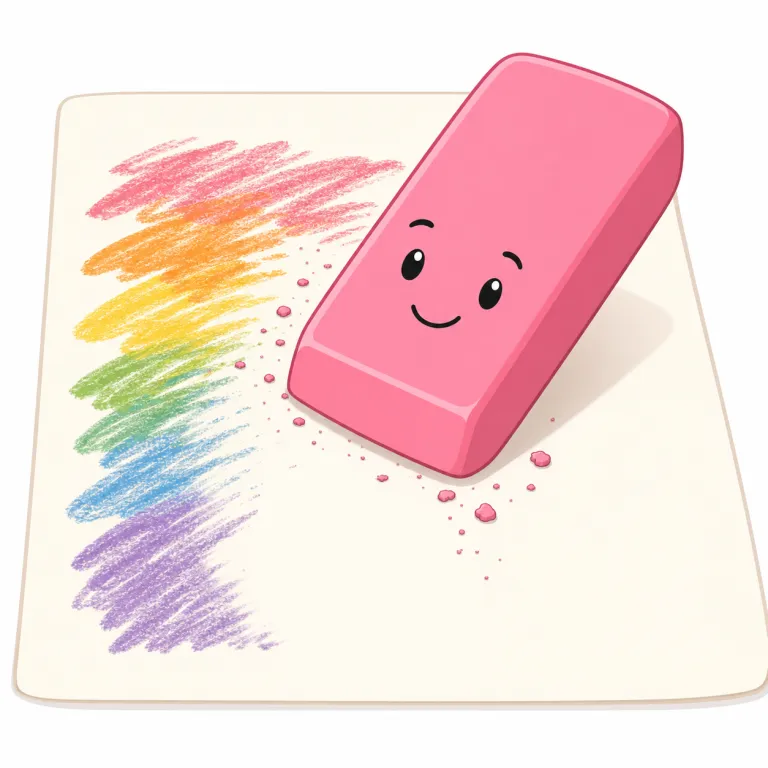
消去
解説 Definition
何かを記録から消し去る、または完全に削除することを表します。文字、映像、記憶、または痕跡など、あらゆるものの消去を意味します。
Erasure is the act of removing something so that it is no longer seen, recorded, or recognized. It can refer to physical removal, such as deleting writing, or a broader loss of history, identity, or presence. The word is often used in both literal and social or cultural discussions.
覚え方のコツ Memory Tip
erase を知っていれば、その名詞形が erasure。まず「消しゴムで字を消す」ような物理的な erase を土台にすると覚えやすく、そこからデータ・記録・記憶・痕跡まで意味が広がる。delete が項目を削除する感じなのに対し、erasure は「跡形もなく消す」「存在を見えなくする」響きが強い。data erasure, cultural erasure のように、単なる削除より重い文脈で出やすい。
If you know `erase`, `erasure` is simply its noun form. Start with the image of rubbing out pencil marks, then extend it to data, records, memory, or even culture. Compared with `delete`, `erasure` often sounds stronger, as if the trace is being wiped away.
例文
The erasure of the pencil marks left a clean page.
鉛筆の跡を消したことで、真っ白なページが残った。
The historical records suffered erasure and distortion over time.
その歴史的記録は年月とともに消失したり、内容が歪曲されたりした。
The accidental erasure of patient data caused serious problems at the hospital.
患者データの誤消去は、病院に深刻な問題を引き起こした。
erasure の類義語・関連語
erasure の語源・成り立ち Etymology
erasureはeraseに名詞語尾-ureが付いた語で、eraseはラテン語eradere「削り取る」に由来します。e-/ex-(外へ)+ radere(こする、削る)に分けられ、abradeやrazorと同根なので、『こすって跡をなくす』感覚から消去を表します。
Erasure comes from erase with the noun ending -ure. Erase comes from Latin eradere, meaning "to scrape out," from e- or ex- "out" and radere "to scrape," a root also seen in abrade and razor. The meaning grew from physically rubbing or scraping something away to removing marks, writing, or traces.
同じレベルの英単語をもっと
外部辞書で調べる
この単語を英単語クイズで覚えよう