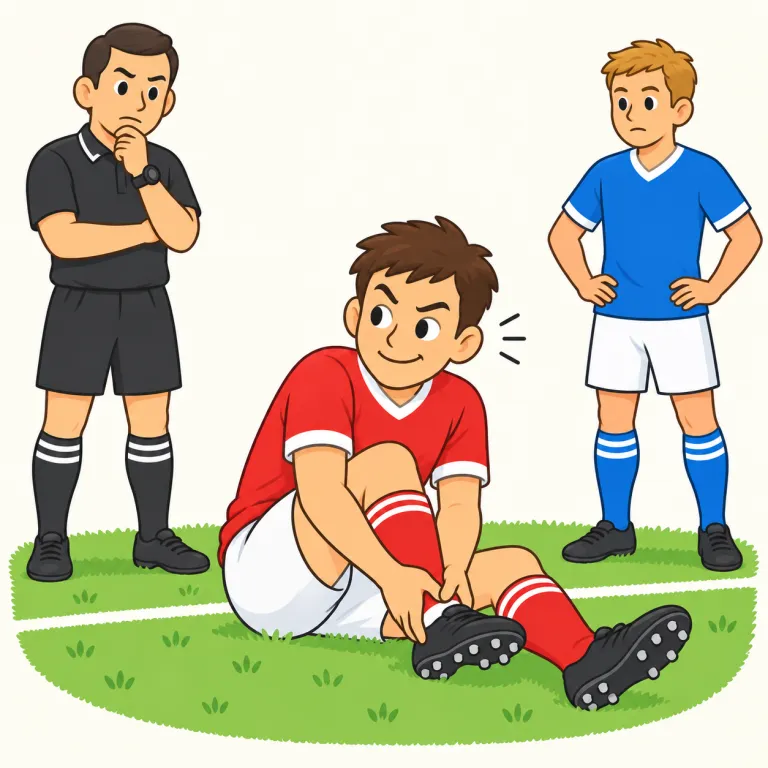
偽装
解説 Definition
「faking」は、本物でないものを本物であるかのように見せかける行為を指す名詞です。偽りや欺瞞を伴う演技や模倣のことを意味します。スポーツや日常生活において、相手を騙すための偽の動作や行動を指すこともあります。
The act of deliberately making something false appear genuine or pretending that a condition, feeling, action, or ability is real. It may involve deceptive behavior, imitation, or the falsification of an object or record.
覚え方のコツ Memory Tip
faking は fake に -ing を付けた動名詞で、末尾の e を落として作ります。ここでは「本物・事実であるかのように装う行為」という名詞用法です。fake an injury、fake a signature の動作を、faking an injury、the faking of a signature と名詞化して覚えましょう。pretending より、相手を欺く意図や偽造の含みが強い語です。
Faking is the gerund of fake, formed by dropping the final e and adding -ing. Keep the core image of presenting something false as if it were real. An athlete may be faking an injury, while the faking of a signature means producing a deceptive imitation. As a noun, it names the act or behavior itself. Pretending can be playful or harmless, but faking often implies an intention to deceive or obtain an advantage. This distinction helps connect the examples of false injuries, forged signatures, and dishonest behavior.
例文
The athlete was accused of faking an injury to get a penalty.
その選手はペナルティを得るために負傷を偽ったと非難された。
His faking of the signature was discovered by the bank.
彼が署名を偽造したことが銀行に発覚した。
She was tired of his faking and demanded honesty.
彼女は彼の偽りに疲れ、正直さを求めた。
faking の類義語・関連語
類義語
派生語
紛らわしい語
faking の語源・成り立ち Etymology
faking は fake に -ing が付いた語で、fake 自体は18世紀ロンドンの隠語に見られるものの、語源は不詳です。ただしドイツ語 fegen「こすって見栄えを整える」との関連がしばしば指摘され、「見かけだけ本物らしくすること」から偽物・ごまかしの意味が生まれたと考えると理解しやすいです。関連語は faker, fake news。
Faking is formed from fake and the suffix -ing. Fake appeared in English underworld slang by the late eighteenth century, but its deeper origin is uncertain. Proposed connections, including one with German fegen, “to sweep or polish,” have not been established securely. It is therefore safest to remember the modern word formation: fake names something false or the act of making it seem genuine, and faking names that ongoing act or behavior.
同じレベルの語彙をもっと
外部辞書で調べる
この英単語をクイズで覚えよう