注釈を付ける、語義を説明する
verb 動詞語や文章に短い注釈・訳語・説明を付けて意味を明らかにすることを表す。言語学では文を語ごとに分け、文法情報や逐語訳を添える作業にも使われ、表面につやを出す意味とは異なる。
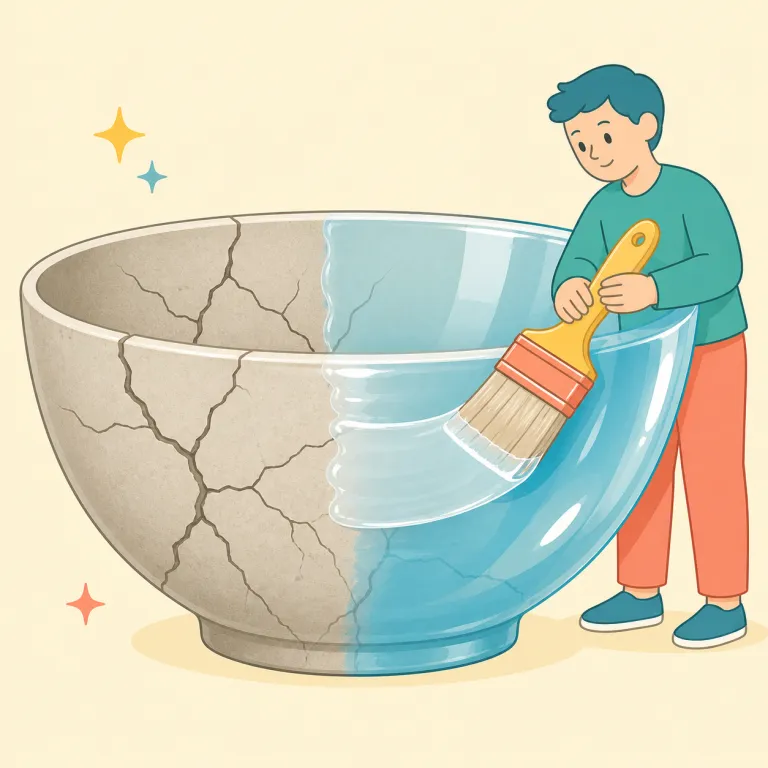
表面に光沢を与えて見た目をよくすることを表すほか、問題点や不都合な事実を深く扱わず、見栄えよくぼかすことも表す。文字どおりの仕上げ作業にも、比喩的に論点をあいまいにする場合にも使われる。
Glossing means explaining a word or text briefly, often by adding a short note or comment. It can also mean making something seem better or less serious than it really is, so the exact meaning depends on the context.
glossing はまず glossy(つやつやした)を思い出すと定着しやすい。見た目をよくする方向の語なので、「表面をきれいに見せる」が核。その感覚が比喩的に広がると、問題を gloss over(深く触れずに流す)になる。polish が実際に磨く感じ、hide が隠す感じなのに対し、glossing は“不都合を残したまま見栄えだけ整える”ニュアンス。ニュースや説明で facts were glossed over の形も頻出。
Connect `glossing` with `glossy`, something smooth and shiny on the surface. That same surface idea helps with `gloss over`, where someone makes a problem look smoother instead of dealing with it fully. Remember: `glossing` often suggests improving the surface, either literally or verbally.
He spent the afternoon glossing the wooden table.
彼は午後じゅう、木のテーブルにつやを出していた。
The report was criticized for glossing over the budget problems.
その報告書は予算問題をうやむやにしたとして批判された。
She answered honestly without glossing over the risks.
彼女はリスクをごまかさず、正直に答えた。
文脈によって、次の意味でも使われます。
語や文章に短い注釈・訳語・説明を付けて意味を明らかにすることを表す。言語学では文を語ごとに分け、文法情報や逐語訳を添える作業にも使われ、表面につやを出す意味とは異なる。
glossing は gloss からできた語で、gloss は「つや」の意味ではゲルマン系語にさかのぼり、「注釈・言いつくろい」の意味ではギリシャ語 glossa「ことば」に由来します。表面をつるっと見せる感覚が「つや出し」にも「ごまかすこと」にもつながり、glossy・gloss over が関連語です。
Glossing is based on gloss, but gloss has two different historical lines in English. One sense, "shine" or "smooth surface," comes from a Germanic source, while the sense "explanation" or "specious wording" comes from Greek glossa, meaning "tongue" or "language." These ideas developed into both "making something shiny" and "making something seem better or easier than it is." Related words include glossy and gloss over.
この英単語をクイズで覚えよう