ホルモン
解説 Definition
hormone は体の働きを調整する化学物質、つまりホルモンという意味です。日本語の「ホルモン」は焼き肉の内臓肉を指すこともありますが、英語の hormone は主に生物学・医学のホルモンを指します。
A chemical messenger produced in the body that travels to particular tissues or organs and helps regulate processes such as growth, sleep, metabolism, reproduction, and mood. Hormones usually act in very small amounts.
覚え方のコツ Memory Tip
英語 hormone は、内分泌腺などで作られ、血液などを通じて睡眠・成長・気分といった体の働きを調節する化学物質。hormone level、growth hormone の組み合わせで覚える。ギリシャ語の「刺激して動かす」に由来するため、体の別の部分へ合図を送り働きを動かす物質と考える。日本語の焼き肉の「ホルモン」とは別義。
Remember a hormone as a chemical messenger that prompts part of the body to act. This matches the word’s Greek source, associated with setting something in motion. Typical combinations include hormone levels, growth hormone, and hormone treatment. In the examples, a hormone controls sleep or affects mood and growth, so connect the word with regulation rather than with a single organ. Japanese learners should also note that English hormone normally means the biological substance; it does not mean the grilled organ meat called horumon in Japanese.
例文
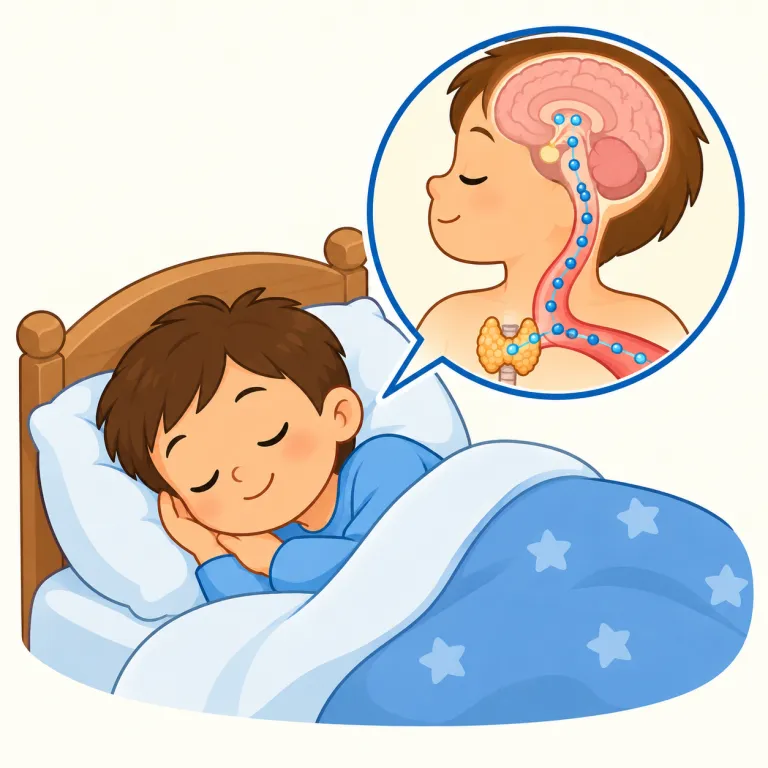
This hormone helps control sleep.
このホルモンは睡眠を調整するのに役立ちます。
The doctor checked her hormone levels.
医師は彼女のホルモン値を調べました。
A hormone can affect mood and growth.
ホルモンは気分や成長に影響することがあります。
hormone の類義語・関連語
hormone の語源・成り立ち Etymology
hormone は1905年の学術語で、ギリシャ語 hormōn「動かすもの」に由来し、動詞 horman「刺激して動かす」にさかのぼります。体の働きを“始動させる”物質というイメージが語源で、同根語に hormesis があります。
Hormone was introduced as a scientific term in 1905. It was formed from Greek hormōn, “setting in motion” or “stimulating,” the present participle of horman, “to urge on” or “set in motion.” The name suited substances that carry signals and stimulate activity elsewhere in an organism. Hormesis, the term for a potentially beneficial biological response to a low dose of a stressor, is built from the same Greek root.
同じレベルの語彙をもっと
外部辞書で調べる
この英単語をクイズで覚えよう