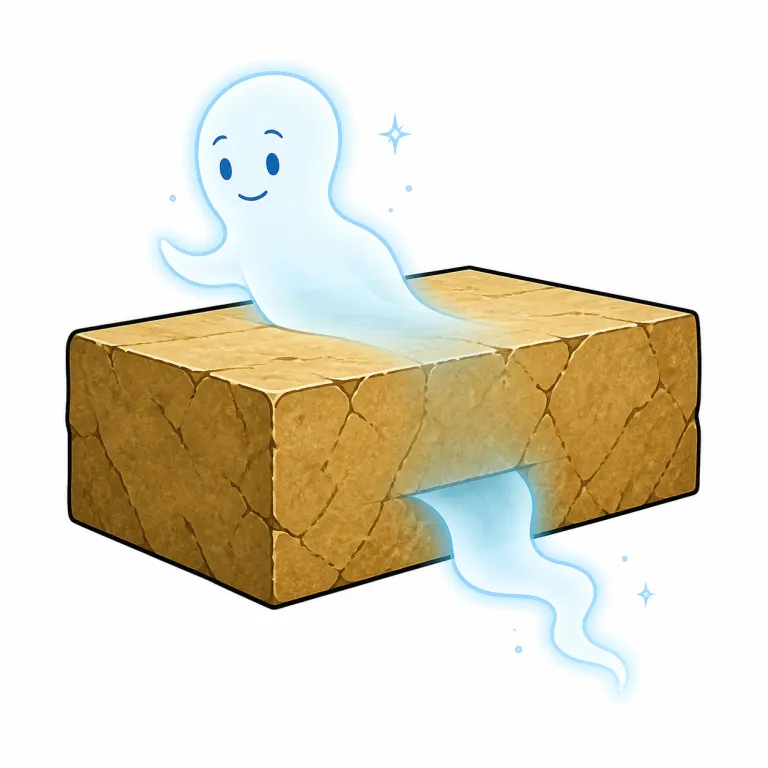
無形の
解説 Definition
物質的な実体を持たない、または非物質的な。精神的、抽象的、または見えない性質を持つ。物理的な形がない無形のものを指す。
Incorporeal means having no physical body or material form. It is often used in philosophy, religion, or legal and abstract contexts for things that exist but cannot be touched. The word is more formal than words like "non-physical" or "abstract."
覚え方のコツ Memory Tip
まず corporeal という対語をセットで覚えると定着します。corpse(死体)や corporal punishment の corp- と同じで「体・肉体」を連想し、先頭の in- が否定なので「体がない」→無形の。intangible も近いですが、incorporeal は単に触れないだけでなく、霊・魂・観念のように“物質的な身体そのものがない”響きが強めです。ghost, spirit, soul, being などとの共起で覚えると使い分けしやすく、incredible など見た目が近い語との取り違え防止にもなります。
Notice the body idea in `corp-`, as in `corpse` or `corporal`. With `in-` in front, `incorporeal` becomes something with no body. This is stronger than just `untouchable` or `invisible`: it suggests no physical form at all. Think of phrases like `incorporeal spirit` or `incorporeal being`.
例文
The ghost was described as an incorporeal being.
その幽霊は無形の存在だと説明された。
Love and hope are incorporeal but deeply felt.
愛と希望には形がないが、心で強く感じられる。
In philosophy, the soul is considered incorporeal.
哲学では魂は無形と考えられている。
incorporeal の類義語・関連語
incorporeal の語源・成り立ち Etymology
ラテン語 incorporeus が語源で、in-「否定」+ corporeal「身体のある」から成り、さらに corpus は「身体」を意味します。corpse や corporate と同根で、「体をもたない」ことから、物質的な形のない無形のという意味になりました。
From Latin incorporeus, built from in- "not" and corporeus "bodily," from corpus "body." It originally meant "not having a body," and later came to describe something without physical substance or form. Related English words from the same root include corpse, corporal, and corporate.
同じレベルの語彙をもっと
外部辞書で調べる
この英単語をクイズで覚えよう