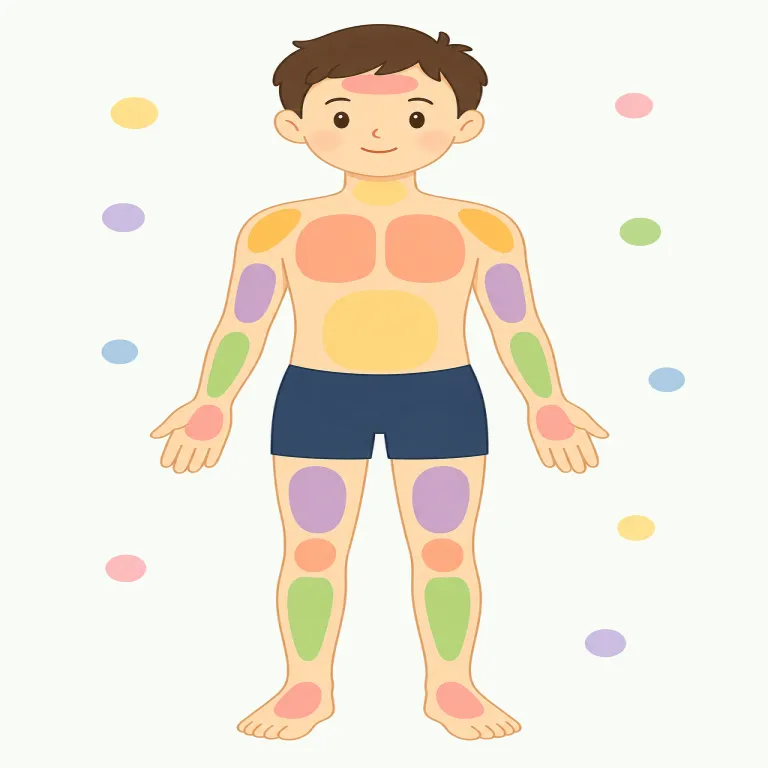
体ごと、丸ごと
adverb 副詞人や物を、分割せず全体のまま動かすことを表す副詞。lift、carry、throwなどの動詞を修飾し、人なら「体ごと」、物なら「丸ごと」という意味になり、身体に関する性質を表す形容詞用法とは異なる。
人や動物の体そのものに関するさまを表す形容詞です。心や精神、感情などではなく、けが・健康状態・生理機能など物理的な身体に関わる事柄を指します。
Bodily means related to the body or physical condition. It is often used in medical, legal, or formal contexts when talking about physical actions, needs, or harm. The word is more formal than physical in some situations.
body が分かれば、bodily は「体の、肉体的な」とつなげやすいです。mental や emotional の反対側に置くと、身体そのものに関わる語だと整理できます。bodily harm、bodily injury、bodily functions のような定番表現で覚えると使い方が見えます。なお bodily は副詞として使われることもありますが、このエントリでは形容詞の意味を押さえます。
The base word is clearly "body," so bodily means "connected to the body itself." Put it next to mental or emotional as its contrast. Also note that "-ly" here does not make an adverb; it is an adjective, like friendly or lively.
Regular exercise brings bodily and mental benefits.
定期的な運動は、身体の面でも精神の面でも利益をもたらす。
The patient showed no bodily injuries after the accident.
その患者は事故の後、身体的なけがを負っていなかった。
The brain controls many bodily functions.
脳は多くの身体機能を制御している。
文脈によって、次の意味でも使われます。
人や物を、分割せず全体のまま動かすことを表す副詞。lift、carry、throwなどの動詞を修飾し、人なら「体ごと」、物なら「丸ごと」という意味になり、身体に関する性質を表す形容詞用法とは異なる。
bodily は body+-ly からできた語で、body は古英語 bodig「身体」、-ly は古英語 -lic「〜の性質をもつ」に由来します。つまり「身体という性質の」「体そのものの」という形で、精神面ではなく肉体面を表します。関連語は body, embody。
Bodily is formed from body and the ending -ly. Body comes from Old English bodig, and -ly comes from Old English -lic, meaning "having the nature of." So bodily first meant "of the body" or "physical," and it still contrasts with the mental or spiritual; compare body and embody.
この英単語をクイズで覚えよう