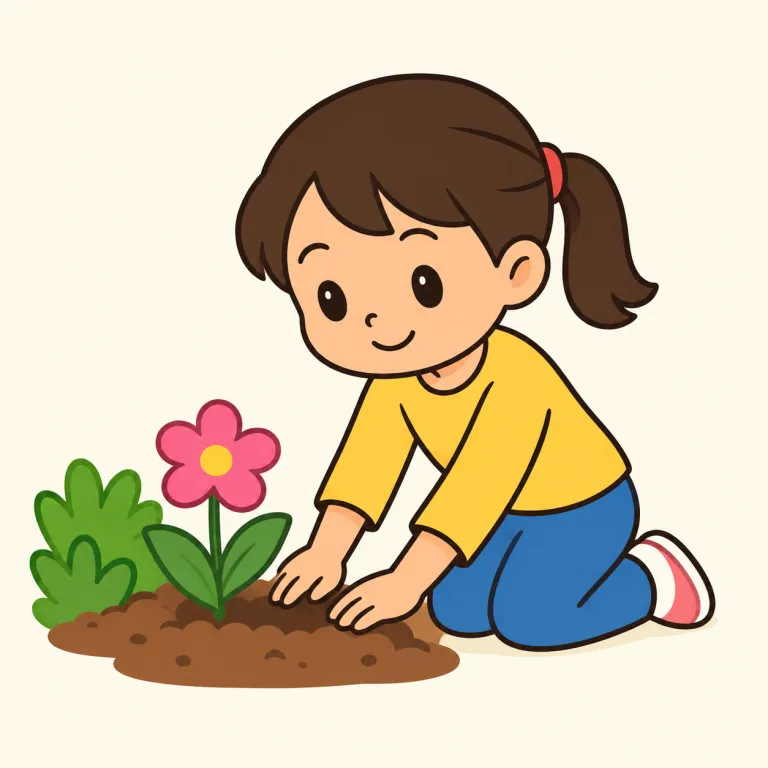
ひざまずく
解説 Definition
kneeling は kneel(ひざまずく)の現在分詞・動名詞です。片ひざまたは両ひざを地面につけている動作や状態を表します。
Kneeling is the present participle or gerund of kneel. It describes lowering the body so that one or both knees rest on the ground or another surface, whether for work, prayer, respect, or a practical action.
覚え方のコツ Memory Tip
kneeling は kneel「ひざまずく」に -ing を付けた現在分詞・動名詞で、kneel の綴りを変えず kneeling となります。発音は /niːl/ に /ɪŋ/ を続け、先頭の k は発音しません。kneeling on the floor、kneeling to tie a shoe の型で、片方または両方の knee を地面につける姿勢を結び付けましょう。
Kneeling is formed by adding -ing directly to kneel, with no change to the base spelling. The initial k remains silent: kneel is pronounced /niːl/, and kneeling adds /ɪŋ/. Connect kneel with knee, since kneeling literally places one or both knees on a surface. Useful patterns include kneeling on the floor, kneeling beside someone, and kneeling to tie a shoe. Unlike crouching, which involves bending low without necessarily touching the ground with the knees, kneeling specifically focuses on knee contact.
例文
The child is kneeling beside the small garden.
その子どもは小さな庭のそばでひざまずいています。
He was kneeling to tie his shoe.
彼は靴ひもを結ぶためにひざまずいていました。
The photo shows a worker kneeling on the floor.
その写真には、床にひざまずく作業員が写っています。
kneeling の類義語・関連語
kneeling の語源・成り立ち Etymology
kneeling は kneel の現在分詞で、古英語 cnēowlian「ひざまずく」に由来します。語幹は knee と同系で、さらに印欧祖語 *genu-「膝」にさかのぼり、関連語に knee、genuflect があるので、「膝の姿勢になる動作」だと理解できます。
Kneeling is the -ing form of kneel. Kneel developed from Old English cnēowlian, “to kneel,” a verb built from the word for “knee.” Knee and kneel therefore preserve the same basic body-part connection, although the initial k is now silent in modern English. Their deeper Germanic ancestry is related to the Indo-European root often reconstructed as genu-, also seen in words associated with bending the knee.
同じレベルの語彙をもっと
外部辞書で調べる
この英単語をクイズで覚えよう