膝で突く、膝蹴りする
verb 動詞人や物を膝で強く突いたり打ったりする動作を表します。knee someone in the stomach のように、目的語の後へ in などを伴って、膝が当たった部位を示すことがあります。
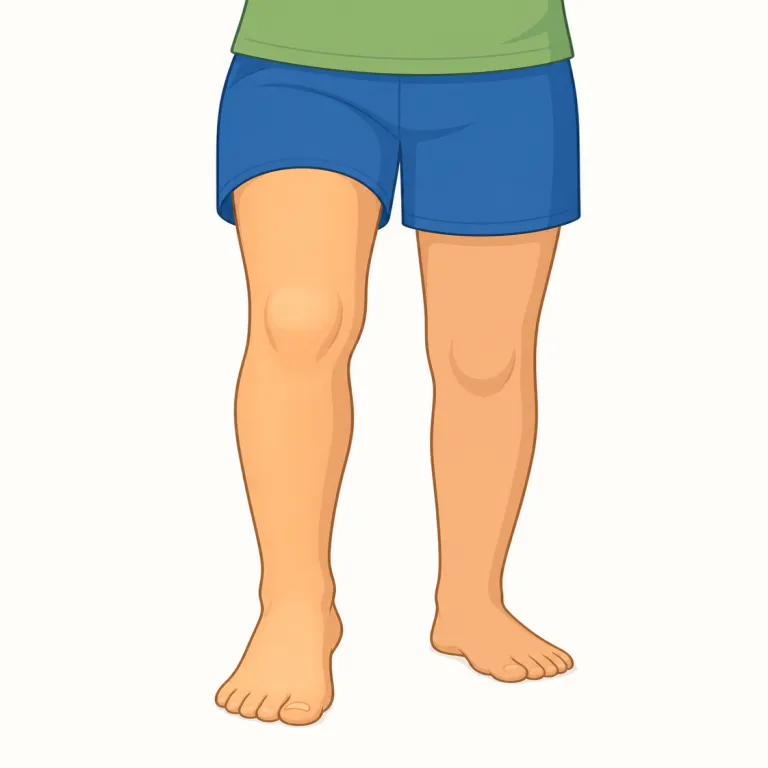
knee は英検4級・英検6級レベルの英単語で、「膝」という意味があります。発音記号は /niː/ です。
太ももとすねの間にある、脚を曲げ伸ばしする関節の部分です。歩く、走る、座る、ひざまずくなどの動作で大きく使われます。
A knee is the middle joint in your leg, between the thigh and the lower leg. You use it when you walk, run, sit, or bend your leg.
knee は先頭の k を読まず、「ニー」と発音する形ごと覚えるのが近道です。意味は kneel(ひざまずく)と結びつけると強いです。kneel すると床に近づく、太ももとすねの間の関節が knee です。knee pain, bend one's knee, on one's knees のような表現も一緒に見ると運用しやすくなります。
Remember that the first k is silent: knee sounds just like need without the d. It belongs to the same silent-kn group as know and knife. A strong memory link is kneel, because your knee bends when you kneel.
My knee hurts.
膝が痛いです。
Bend your knee.
膝を曲げてください。
His knee is red.
彼の膝は赤いです。
この語をはじめて出題された 41人 のうち 34人 が正解しました(83%)。
えいたんごクイズの回答から集計した独自データです。1人につき最初に出題されたときの1回だけを数えており、復習や2回目以降の回答、「わからない」と時間切れは含みません。 集計時点は 2026年9月19日 です。
文脈によって、次の意味でも使われます。
人や物を膝で強く突いたり打ったりする動作を表します。knee someone in the stomach のように、目的語の後へ in などを伴って、膝が当たった部位を示すことがあります。
knee は古英語 cneo、さらにゲルマン祖語 *knewa-、印欧祖語 *genu-「膝・角」に由来します。語根 genu は「折れ曲がる節」を表し、genuflect や geniculate も同根なので、膝が「脚の角」のように捉えられていたと見えてきます。
Knee comes from Old English cneo, from an older Germanic form and ultimately from an Indo-European root meaning "knee" or "angle." The basic idea was a bent joint or corner in the body. Related learned words such as genuflect and geniculate come from the same ancient root.
この英単語をクイズで覚えよう