リーニュ
解説 Definition
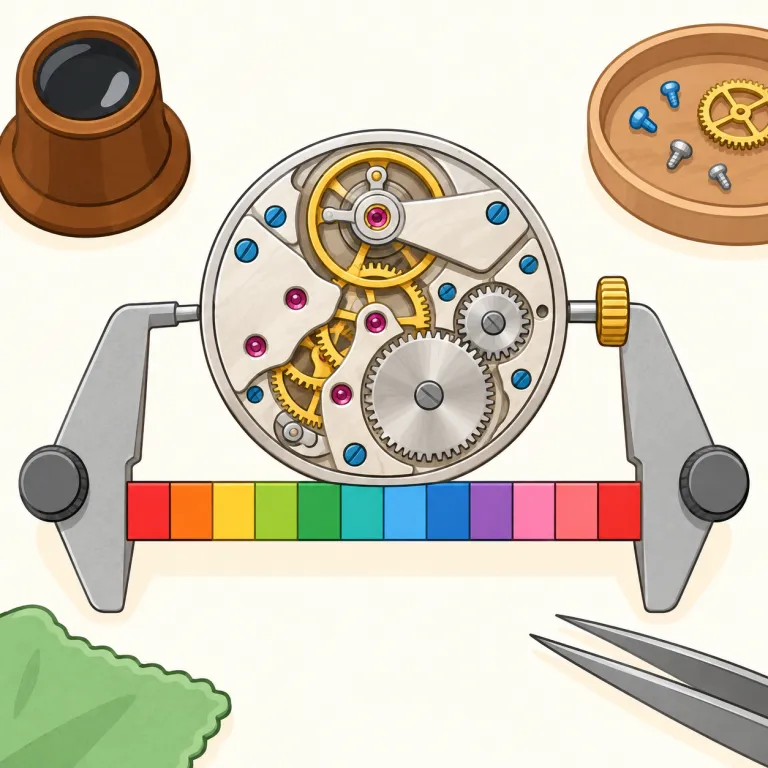
リーニュ。時計のムーブメントの大きさなどを表すために使われる伝統的な長さの単位。時計製造では1リーニュは約2.26ミリメートルです。
A traditional unit of length used especially to state the size of watch movements. In watchmaking, one ligne is about 2.256 millimetres (0.0888 inch), although values in other trades or historical systems may differ.
覚え方のコツ Memory Tip
ligne は英語では主に時計製造などで使われる長さの単位「リーニュ」です。時計のムーブメントでは1リーニュが約2.26ミリメートルに当たります。フランス語で「線」を意味する ligne に由来し、英語の line と語源的に関係します。
In English, ligne chiefly names a traditional unit of length used in watchmaking and certain other trades. For watch movements, one ligne is about 2.256 millimetres. The term comes from French ligne, meaning “line,” and is historically related to English line.
例文
The movement measures twelve lignes in diameter.
そのムーブメントの直径は12リーニュです。
Watchmakers often give movement sizes in lignes.
時計職人はムーブメントの大きさをリーニュで示すことがあります。
ligne の語源・成り立ち Etymology
フランス語 ligne(線・行)で、ラテン語 linea(亜麻の糸で引いた線)から派生。さらに linum(亜麻)に遡る。英語の line や linear(直線の)、linen(亜麻布)も同根。糸をぴんと張った直線が「線」の原イメージである。
French ligne descends from Latin linea, meaning a linen thread, string, or a line drawn with such a thread. Linea is related to Latin linum, “flax,” the source of English linen. English line and linear belong to the same historical word family. The semantic development from flax thread to a straight mark reflects the old practice of stretching or snapping a thread to establish a straight guide.
同じレベルの語彙をもっと
外部辞書で調べる
この英単語をクイズで覚えよう