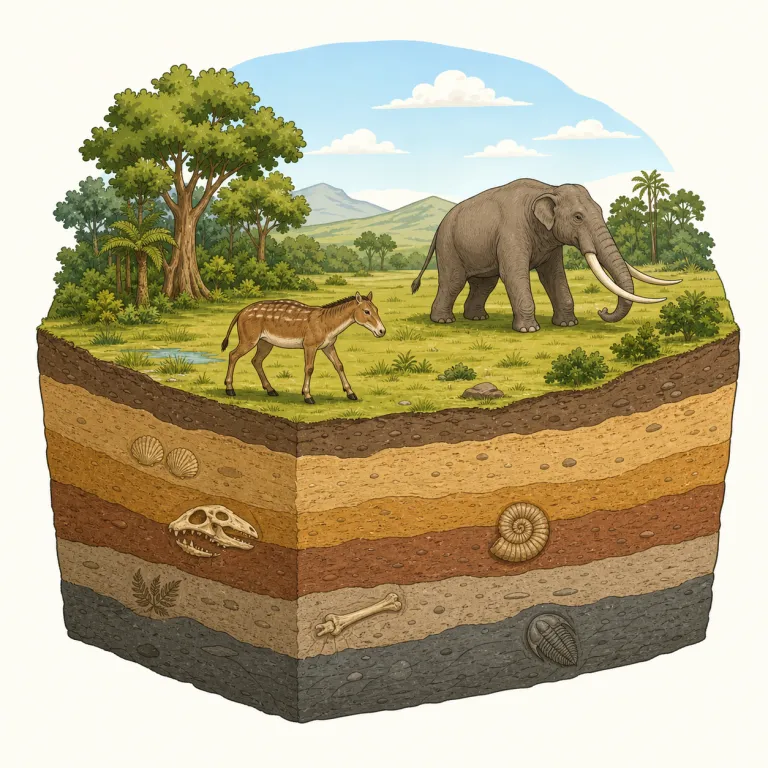
miocene
miocene はTOEFL 100・IELTS 7.5レベルの英単語で、「中新世」という意味があります。発音記号は /ˈmaɪəˌsiːn/ です。
中新世
解説 Definition
地質学の時代区分において、新第三紀前半にあたる時代です。およそ2300万年前から530万年前までの期間を表しています。
The Miocene is a period in Earth's history that happened millions of years ago. It is used in geology and paleontology when talking about fossils, climate, and the development of animals and plants. It is a technical scientific term, usually written with a capital letter.
覚え方のコツ Memory Tip
地質時代名の -cene は Eocene / Oligocene / Miocene / Pliocene / Holocene などに共通し、「○○世」を表す仲間だとまとめて覚えると定着しやすいです。Miocene は単独で丸暗記するより、Oligocene の次、Pliocene の前という時代の並びで押さえるのが有効です。実際には "the Miocene epoch" の形で見かけやすく、化石・哺乳類の進化・古気候の説明で出る語だと結び付けると記憶に残ります。Pleistocene や Holocene と取り違えやすいので、「-cene 仲間の中でも中新世」という位置を意識すると混同しにくくなります。
Notice the ending `-cene`, which appears in names of geological time periods like `Eocene` and `Pliocene`. That helps you store `Miocene` as one member of that family. It is easier to remember by its place in order: after `Oligocene` and before `Pliocene`.
例文
The Miocene epoch was characterized by diverse plant life.
中新世は多様な植物相によって特徴づけられていました。
This fossil dates from the Miocene.
この化石は中新世のものである。
The class discussed climate change during the Miocene.
その授業では中新世の気候変動について話し合った。
miocene の類義語・関連語
紛らわしい語
miocene の語源・成り立ち Etymology
Miocene は19世紀の地質学用語で、ギリシャ語 meion「より少ない」+ -cene「新しい・最近の」から作られました。Pliocene より現生種に近い化石が少ない時代、という発想です。関連語は `Pliocene`、`Eocene`。
Miocene was formed in 19th-century geology from Greek meion, meaning "less," and a second part meaning "recent" or "new." It was named to show that this period had fewer fossils similar to modern species than the Pliocene. It belongs to the same scientific pattern as Eocene and Pliocene.
同じレベルの語彙をもっと
TOEFL 100の一覧へ →外部辞書で調べる
この英単語をクイズで覚えよう