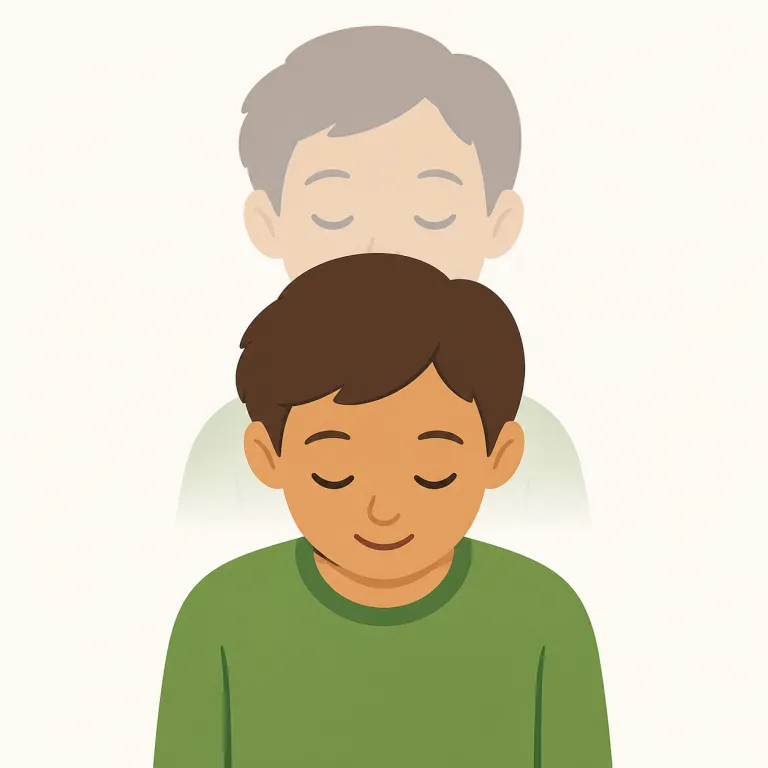
nod
nod は英検2級レベルの英単語で、「うなずく、うなずき、会釈」という意味があります。発音記号は /nɑːd/ です。
うなずく
/ noun 名詞 うなずき、会釈
解説 Definition
同意、理解、あいさつ、合図などを示すために、頭を軽く上下または前に動かすことを指す。言葉を使わずに気持ちや意思を伝えるしぐさとして日常会話でよく用いられ、文脈によっては眠気で頭が落ちる動作にも使われる。
To nod means to move your head up and down once or several times. People often nod to show agreement, understanding, greeting, or approval. The meaning can depend on the situation and culture.
覚え方のコツ Memory Tip
nod はまず「頭をちょっと動かす小さい合図」とまとめて覚えると広がりやすいです。会釈のように深く頭を下げる bow ではなく、軽く上下させるのが nod。そこから give a nod や a nod of approval で合図・賛成、nod yes で同意、nod off でこっくり居眠り、のように意味が広がります。shake one’s head が否定なのと対比すると定着しやすく、会話では『He nodded.』だけで「無言で分かった・承知した」の感じが出ます。
Think of `nod` as a small head movement. It is much lighter than `bow`, and it is often connected with silent agreement or understanding. It is also useful to remember the contrast: `nod` for yes, `shake your head` for no.
例文
She nodded in agreement with the proposal.
彼女はその提案に賛成してうなずいた。
He nodded to let me know he understood.
彼は理解したことを伝えるためにうなずいた。
The teacher nodded and invited the student to continue.
教師はうなずき、その生徒に続けるよう促した。
えいたんごクイズでの正答率
この語をはじめて出題された 47人 のうち 42人 が正解しました(89%)。
えいたんごクイズの回答から集計した独自データです。1人につき最初に出題されたときの1回だけを数えており、復習や2回目以降の回答、「わからない」と時間切れは含みません。 集計時点は 2026年9月19日 です。
nod の類義語・関連語
nod の語源・成り立ち Etymology
nodは中英語noddenに由来し、頭をこくりと動かす様子をまねたゲルマン系の擬態的な語と考えられます。はっきりした接辞より動きそのものが核で、そこから同意や合図の「うなずき」になりました。関連語はnodding、nodderです。
"Nod" comes from Middle English "nodden" and is thought to be Germanic and probably imitative in origin. In other words, it likely began as a word that copied the quick movement of the head itself rather than coming from a clear root with prefixes or suffixes. From that physical motion, it developed into the common sense of signaling agreement, greeting, or recognition.
同じレベルの語彙をもっと
英検2級の一覧へ →外部辞書で調べる
この英単語をクイズで覚えよう