on balance
on balance は英検準1級レベルの英熟語で、「総合的に見て、結局のところ」という意味があります。発音記号は /ɑːn ˈbæləns/ です。
総合的に見て、結局のところ
解説 Definition
利点と欠点、さまざまな事情を比べ合わせたうえで、最終的な判断や結論を述べるときに使う表現です。第一印象だけでなく全体を見渡して、「総合的には」「差し引きすると」というニュアンスを表します。
On balance means after considering all the important points together. It is used when giving a final opinion or overall judgment, especially in more formal English.
覚え方のコツ Memory Tip
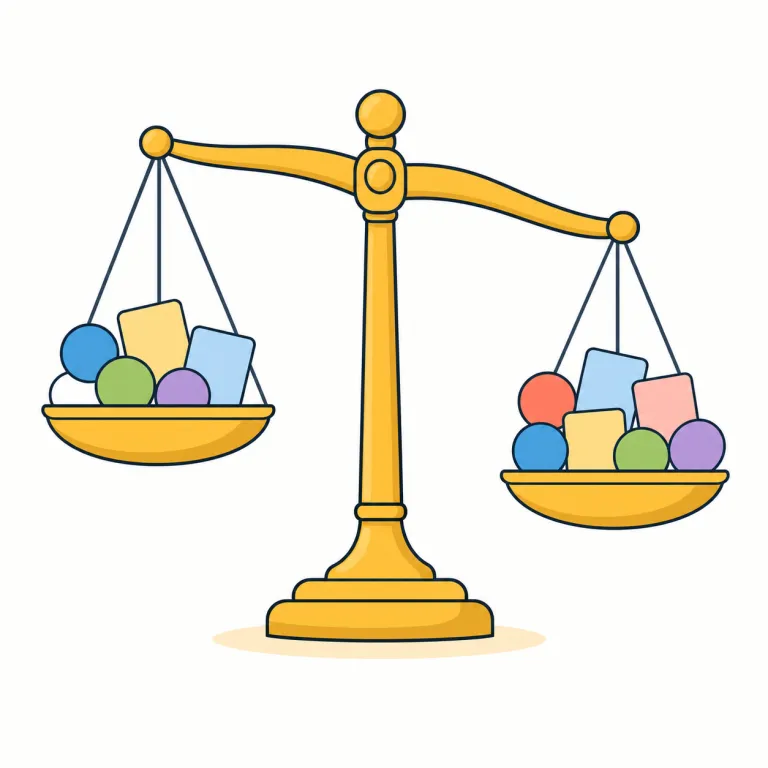
balance はまず「つり合い・比較」を表す基本語として押さえると覚えやすいです。on balance は、利点と欠点を並べて見たあとに出す結論、という感覚で取ると残りやすい表現です。つまり「第一印象ではなく、全部見たうえでは」という含みがあります。文頭で On balance, ... と置かれることが多く、all things considered に近いです。finally のような単なる結論ではなく、比較検討を経た判断だと意識すると区別しやすくなります。
Think of balance as weighing two sides. On balance means after comparing the good and bad points, this is the final judgment. It often appears at the start of a sentence: On balance, ...
例文
On balance, the new policy seems to benefit most employees.
総合的に見て、その新方針は大半の従業員に利益をもたらすようだ。
On balance, I prefer the second proposal despite its higher cost.
費用は高いが、結局のところ私は二つ目の提案のほうがよいと思う。
On balance, the trip was worth the time and money.
総合的に見て、その旅行は時間とお金をかける価値があった。
on balance の類義語・関連語
派生語
on balance の語源・成り立ち Etymology
balanceはラテン語bilanx(bi-二つ+lanx皿)で天秤の意。天秤で両側を量り終えた結果として「全体的に見て・差し引きすると」の意味に。関連語:bilateral(二国間の)、equilibrium(均衡)。
"Balance" comes from Latin "bilanx," meaning "having two scale pans" ("bi-" = two, "lanx" = dish or pan). The image is of weighing both sides of a scale before judging the result. From that, "on balance" developed the meaning "all things considered" or "overall."
同じレベルの語彙をもっと
英検準1級の一覧へ →外部辞書で調べる
この英熟語をクイズで覚えよう