音素
解説 Definition
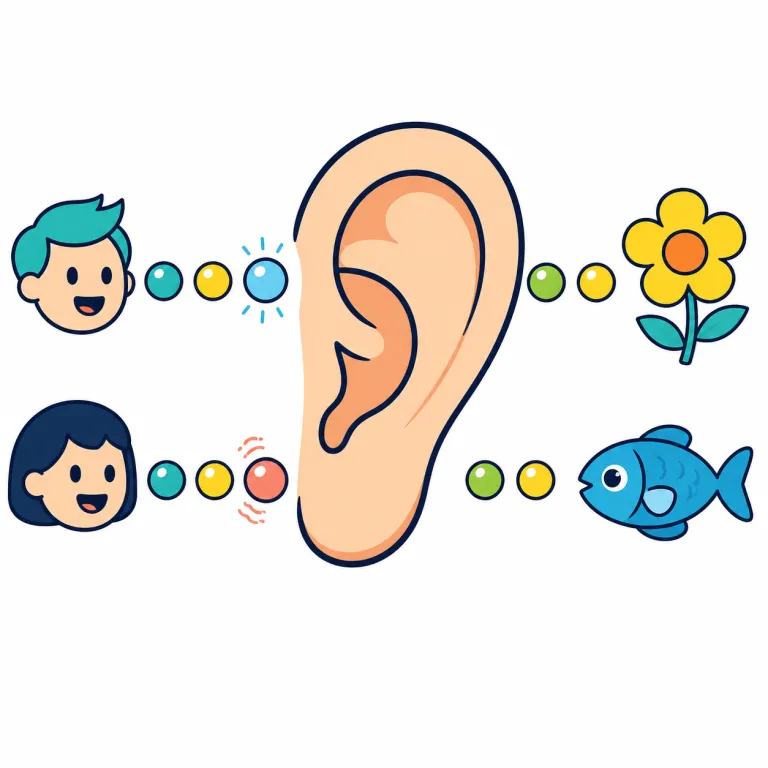
言語学で、意味の区別に関わる最小の音の単位。例えば日本語の「か」と「が」は異なる音素である。
A phoneme is the smallest sound unit in a language that can change the meaning of a word. For example, changing one phoneme can make one word into another. It is used in linguistics and language learning to talk about pronunciation patterns.
覚え方のコツ Memory Tip
phonetics(音声学)や telephone, microphone の phon- を見たらまず「音・声の仲間」と連想すると入りやすい語です。その上で phoneme は、ただの音ではなく「意味の違いを生む最小単位」と押さえるのがコツ。/k/ と /g/ の違いのように、語を聞き分けさせる働きがある音を指します。morpheme(形態素)と並べて、language の最小単位には「音の単位 phoneme」と「意味の単位 morpheme」がある、とセットで覚えると混同しにくいです。
Notice `phon-` in words like `phone`, `microphone`, and `phonetics`: it points to sound or voice. Then focus on `-eme`, which appears in language terms for basic units, like `morpheme`. A good pair to remember is: `phoneme` is the smallest sound unit, while `morpheme` is the smallest meaning unit.
例文
The English language has approximately 44 distinct phonemes.
英語にはおよそ44の異なる音素がある。
Children learn to distinguish phonemes in their native language before they can read.
子供たちは読めるようになる前に母語の音素を区別することを学ぶ。
The phoneme /r/ in Japanese differs significantly from its English counterpart.
日本語の音素/r/は英語の対応する音素とかなり異なる。
phoneme の類義語・関連語
紛らわしい語
phoneme の語源・成り立ち Etymology
フランス語 phonème を経て、ギリシャ語 phōnēma「声・発せられた音」から来た語。phōnē「音・声」+ 名詞語尾 -ma で、“発話された音”が原義だから「意味を区別する最小の音」という音素の意味につながる。関連語は phone, phonetics。
Phoneme came into English through French phonème, from Greek phōnēma, meaning "sound" or "utterance." It is related to Greek phōnē, meaning "voice" or "sound," with a noun ending added. The word developed from the general idea of a spoken sound to a technical term in language study; related English words include phone and phonetics.
同じレベルの語彙をもっと
外部辞書で調べる
この英単語をクイズで覚えよう