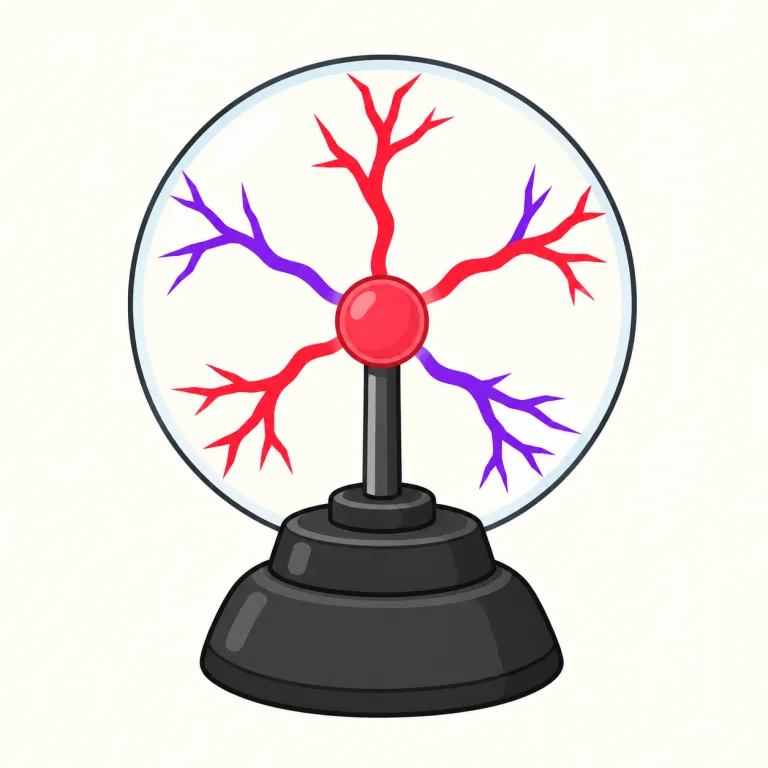
プラズマ
解説 Definition
plasma は、物理では気体が電離した状態であるプラズマという意味です。また医学では血液中の液体成分である血漿を指すこともあり、日本語のカタカナ語と同じく分野で意味が変わります。
In physics, plasma is a state of matter consisting largely of charged particles formed when a gas becomes ionized. In medicine, plasma is the pale liquid part of blood that carries cells, proteins, and other substances.
覚え方のコツ Memory Tip
plasma は分野で像を切り替えて覚えます。物理では stars や plasma lamp に見られる「電離した気体」、医学では blood plasma「血液の液体成分」です。ギリシャ語の「形作られたもの」に由来し、plastic と同系ですが、日常の「プラスチック」と混同しないことが重要です。
Build two clear subject-based pictures for plasma. In physics, imagine a star or plasma lamp: the gas is ionized and contains charged particles. In medicine, imagine blood after its cells have been separated: the remaining liquid is blood plasma, which carries proteins and other substances. The word is historically related to plastic through a Greek root concerning forming or molding, but the modern meanings must be learned from context. Common combinations make the distinction visible: plasma state and plasma physics versus blood plasma and plasma donation.
例文
The lamp uses plasma to make light.
そのランプは光を出すためにプラズマを使います。
Plasma can be found in stars.
プラズマは恒星の中に見られます。
The doctor explained how plasma carries proteins in blood.
医師は血漿が血液中でタンパク質を運ぶ仕組みを説明しました。
plasma の類義語・関連語
plasma の語源・成り立ち Etymology
ギリシャ語 plassein(形作る)の派生語 plasma(形作られたもの)が語源。plastic(可塑性の)や plaster(塗り固めるもの)と同根。医学では「血漿=血液を形作る基質」、物理学では「電離気体=形を自在に変える状態」の意味で使われる。
Plasma comes from Greek plasma, meaning something formed or molded, from plassein, “to form” or “to mold.” It is historically related to words such as plastic and plaster. The term entered medical vocabulary for a fluid or formative material and was later applied to the liquid component of blood. In twentieth-century physics, plasma became the established term for an ionized gaseous state containing freely moving charged particles.
同じレベルの語彙をもっと
外部辞書で調べる
この英単語をクイズで覚えよう