ポエニ語
noun 名詞古代カルタゴとその植民地で用いられた、フェニキア語から発達したセム語系の言語を指します。歴史学や考古学の文脈で、碑文や文字資料の言語を示す名称として使われます。
古代カルタゴに関すること。ローマとカルタゴの間で戦われたポエニ戦争で知られる。
Punic means related to ancient Carthage, its people, language, or culture. It is mainly used in history, especially when talking about the Punic Wars between Carthage and Rome. This is a specialized historical term.
この語は単独で覚えるより、まず Punic Wars(ポエニ戦争)という定番表現ごと頭に入れるのが近道です。Roman が「ローマの」なら、Punic はその宿敵だったカルタゴ側に関する形容詞、と対で置くと定着しやすくなります。歴史文脈で Punic army, Punic territory, Punic cities のように名詞を説明する形で出やすく、日常英語ではかなり限定的です。Phoenician と近い歴史圏の語ですが、まずは「ローマ史で見るカルタゴ関連の形容詞」と絞って覚えると混乱しません。public など見た目の近い語との取り違えにも注意。
The fastest way is to learn it with the set phrase `Punic Wars`. In history, `Punic` is usually paired against Roman, so remember it as the Carthage side in Roman history. Be careful not to confuse it with look-alike words such as `public`.
The Punic Wars between Rome and Carthage lasted over a century and reshaped the Mediterranean world.
ローマとカルタゴの間のポエニ戦争は1世紀以上続き、地中海世界を変えた。
Hannibal's crossing of the Alps is one of the most famous episodes of the Punic Wars.
ハンニバルのアルプス越えはポエニ戦争の最も有名なエピソードの一つである。
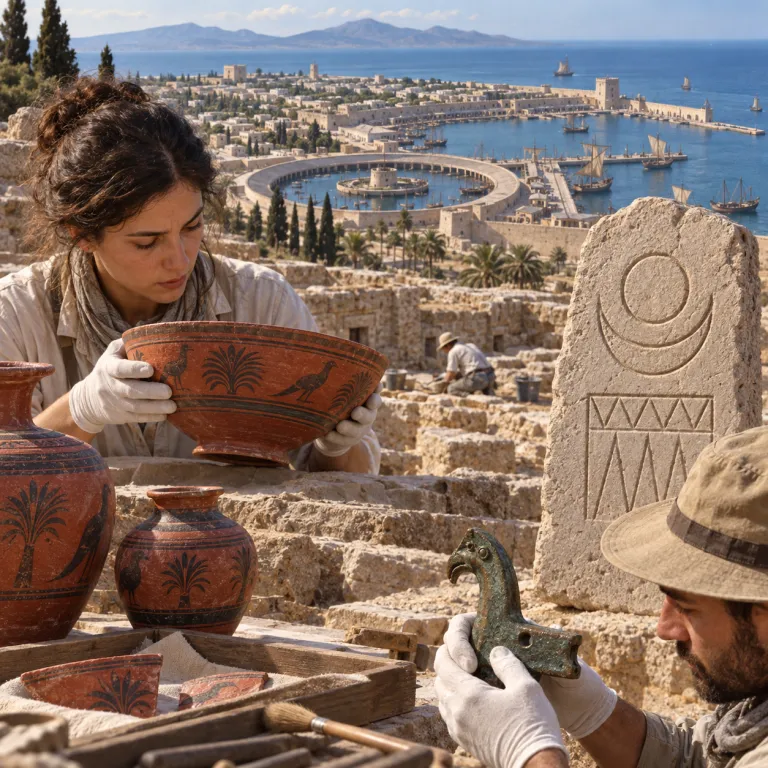
Archaeologists discovered Punic artifacts that shed new light on Carthaginian daily life.
考古学者たちは、カルタゴ人の日常生活に新たな光を当てるカルタゴの遺物を発見した。
文脈によって、次の意味でも使われます。
古代カルタゴとその植民地で用いられた、フェニキア語から発達したセム語系の言語を指します。歴史学や考古学の文脈で、碑文や文字資料の言語を示す名称として使われます。
punic はラテン語 Punicus(カルタゴ人・フェニキア人の)に由来し、古代地中海世界の呼び名がそのまま形容詞化した語です。Phoenician や Phoenicia と同系で、ポエニ戦争の「ポエニ」がこの語に残っていると分かると覚えやすいです。
Punic comes from Latin `Punicus`, meaning "Carthaginian" or "Phoenician." It was the Roman name for the people of Carthage, so the adjective kept that historical sense. It shares its background with `Phoenician`, and the same root appears in the name of the Punic Wars.
この英単語をクイズで覚えよう