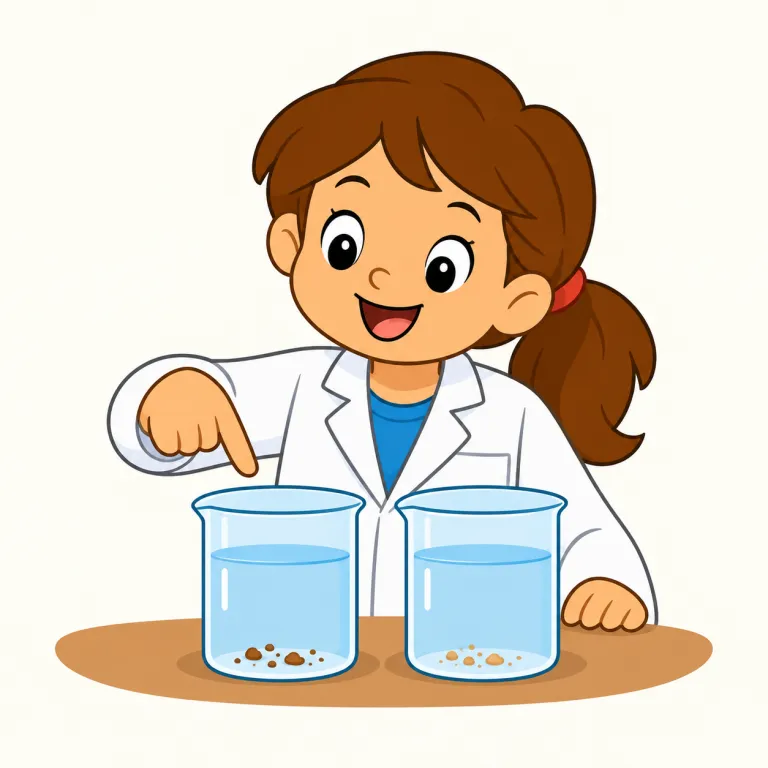
残留物
解説 Definition
residues は residue(残留物、残りかす)の複数形です。化学物質、食品、汚れなどが取り除かれずに残ったものを指すやや硬い語です。
Small amounts of substances that remain after a process such as cleaning, chemical treatment, evaporation, or removal. The plural noun often refers to traces of chemicals, food, adhesive, dirt, or other material left on a surface or in a sample.
覚え方のコツ Memory Tip
単数形 residue「後に残った物」に複数の -s が付いた形で、語末の母音の後なので -s は /z/ と発音します。chemical residues、sticky residues、pesticide residues のように、処理・洗浄・反応の後にも残る複数の物質を表します。一般的な remains より、化学・衛生・製造で使われる硬い語だと覚えましょう。
Residues is the plural of residue, so it refers to two or more kinds or instances of material left behind. Since residue ends in a vowel sound, the plural -s is pronounced /z/. Link the word with remain: after washing, processing, removing labels, or carrying out a chemical reaction, residues may still be present. Useful combinations include chemical residues, pesticide residues, and sticky residues. Compared with the general word remains, residues is more formal and often describes small traces of material in scientific, industrial, food-safety, or cleaning contexts.
例文
The lab found chemical residues in the water.
研究所は水の中に化学物質の残留物を見つけました。
Wash the fruit well to remove any residues.
残留物を取り除くために、その果物をよく洗ってください。
Sticky residues remained on the table after the labels were removed.
ラベルをはがした後、テーブルにべたつく残留物が残りました。
residues の類義語・関連語
residues の語源・成り立ち Etymology
ラテン語 residuum(残ったもの)から。re-(後ろに)+ sidēre(座る、留まる)が語源で、「後に座り続けるもの」→「残留物」。preside(議長を務める=前に座る)やresident(居住者)と同根。
Residues is the plural of residue. Residue comes from Latin residuum, meaning something left behind, based on residere, meaning to remain, settle, or sit back. That verb combines re-, conveying back, with sedere, meaning to sit. The image is of material that stays or settles after everything else has been removed, used, evaporated, or processed.
同じレベルの語彙をもっと
外部辞書で調べる
この英単語をクイズで覚えよう