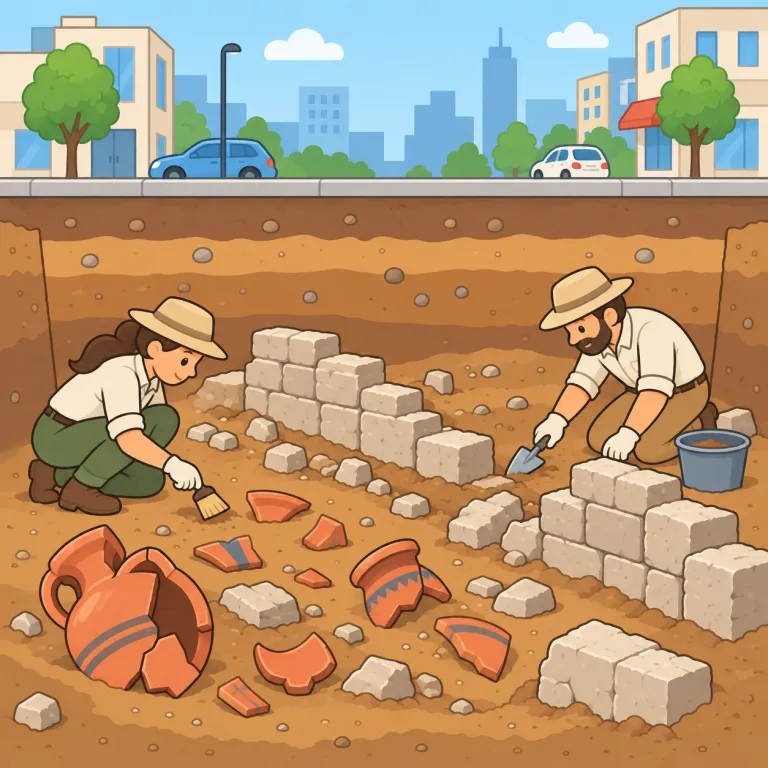
残骸
解説 Definition
レムナンツ(remnants)は「残骸」「残留物」「名残」を意味する名詞の複数形です。何かが破壊されたり消滅したりした後に残る断片や痕跡を指します。布地の切れ端(端切れ)を指す商業用語としても使われ、また過去の文明や時代の遺物を表すこともあります。
Small or incomplete parts left after most of something has disappeared, been destroyed, removed, or used. The word can describe physical ruins and fragments, surviving traces of an earlier culture or condition, or leftover pieces of material such as fabric.
覚え方のコツ Memory Tip
remnant「残った一部分」の規則的な複数形で、語末の t の後の -s は /s/ と発音する。remain「残る」と語源的につながるので、「全体は失われても後に remain した断片」が remnants と覚える。remnants of a civilization「文明の名残」、fabric remnants「布の端切れ」のように of や素材名とよく組み合わさる。
Remnants is the regular plural of remnant, and the final -s is pronounced /s/ because the base ends in the voiceless /t/ sound. Connect it with remain: remnants are the pieces that remain after the larger whole has gone. Imagine the remnants of a castle—only sections of wall survive—or fabric remnants left after larger pieces have been cut. Common patterns include remnants of a civilization, remnants of the past, and fabric remnants. Unlike general remains, remnants often emphasizes scattered, incomplete, or relatively small surviving parts.
例文
Archaeologists discovered remnants of an ancient civilization buried beneath the city.
考古学者たちは都市の地下に埋もれた古代文明の残骸を発見しました。
The remnants of the old castle wall can still be seen on the hilltop.
古い城壁の残骸は今でも丘の頂上に見ることができます。
She bought remnants of fabric at the market to make a patchwork quilt.
彼女はパッチワークキルトを作るために市場で布の端切れを買いました。
remnants の類義語・関連語
remnants の語源・成り立ち Etymology
古フランス語 remenant(残っているもの)から。ラテン語 remanēre(re- 後ろに + manēre 留まる)が語源で、「後に留まったもの→残り物」が原義。関連語: remain(残る)、permanent(永続的な、同じ manēre 由来)。
Remnants is the plural of remnant. Remnant came into English from an Old French form meaning “remaining,” derived from remanoir, “to remain.” That verb ultimately goes back to Latin remanere, formed from re-, conveying “back,” and manere, “to stay.” The historical structure therefore matches the modern sense closely: a remnant is something that stays behind. The word developed uses for surviving traces, ruins, scraps, and especially leftover pieces of cloth.
同じレベルの語彙をもっと
外部辞書で調べる
この英単語をクイズで覚えよう