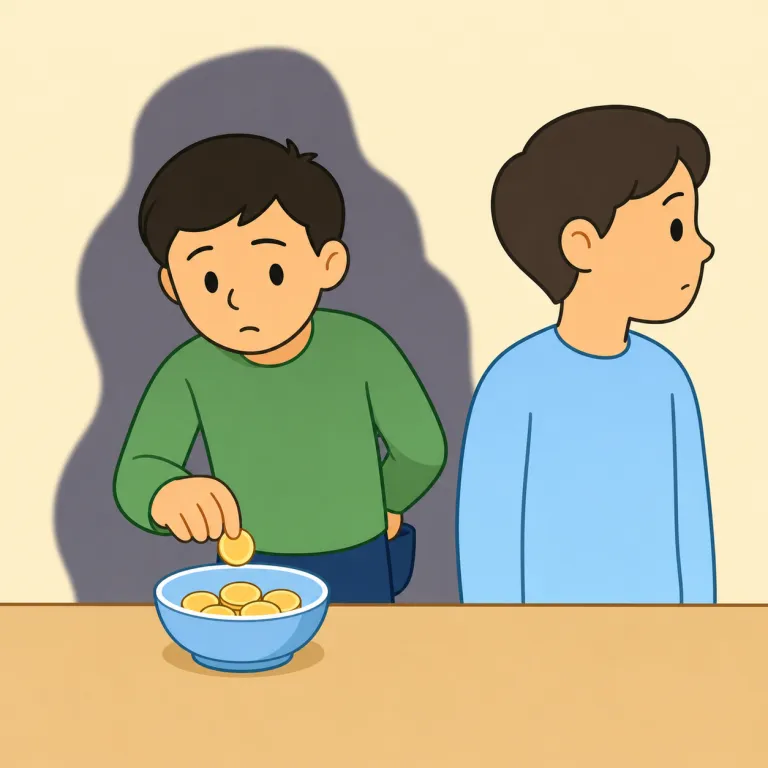
immoral
immoral はTOEIC 860・TOEFL 80・IELTS 6.5レベルの英単語で、「不道徳な」という意味があります。発音記号は /ɪˈmɑːrəl/ です。
不道徳な
解説 Definition
不道徳な行為や性質を指す形容詞で、社会的・宗教的・倫理的な基準から外れるものを示します。善悪の観点から許容できず、倫理に反する考えや行動に対して使われます。道徳観念がないことではなく、自ら進んで道徳に背いている状態を表します。
Immoral means morally wrong or not following accepted standards of right behavior. It is used for actions, decisions, or attitudes that people consider unethical. This word is stronger than simply saying something is bad or unkind.
覚え方のコツ Memory Tip
moral(道徳的な)が土台で、im- が付くと「反対側」に振れるので、まずは moral の否定形として押さえると覚えやすいです。特に important ではなく impossible の im- と同じ否定パターンだと見ると定着しやすいです。illegal が「法律違反」、immoral は「法律に触れなくても道徳的にまずい」。さらに amoral は「善悪への関心や感覚が薄い」で、immoral は「善悪を踏まえたうえで逸脱している」響き。immoral behavior / immoral act の形でもよく見ます。
Start from moral, then add the negative prefix im-. That gives immoral, meaning on the wrong side of moral standards. A useful contrast is illegal versus immoral: something can be immoral even if it is not against the law. Also compare it with amoral, which suggests no sense of right and wrong, not active wrongdoing.
例文
Many people think paying workers too little is immoral.
労働者にわずかな賃金しか払わないのは不道徳だと、多くの人が考えています。
He knew it was immoral to steal money.
彼はお金を盗むことが不道徳だと分かっていました。
Some argue that certain types of advertising targeted at children are immoral.
子どもを対象とした特定の種類の広告は不道徳だと主張する人もいます。
immoral の類義語・関連語
immoral の語源・成り立ち Etymology
immoral はラテン語 in-「否定」と moral「道徳の」から成り、moral は mos, mores「慣習・ならわし」に由来する。morality や morals も同根で、「共同体の規範から外れる」と捉えると、単なる悪ではなく「不道徳な」の輪郭がはっきりする。
Immoral is formed from the negative prefix im- and moral. Moral comes from Latin mos, plural mores, meaning "custom" or "habit." The word originally pointed to what matched a community's accepted customs, so immoral came to mean going against those standards; morals and morality share the same root.
同じレベルの英単語をもっと
TOEIC 860の一覧へ →外部辞書で調べる
この単語を英単語クイズで覚えよう