
diversion
diversion はTOEIC 860・TOEFL 80・IELTS 6.5レベルの英単語で、「気晴らし、気分転換、陽動、目くらまし、迂回、進路変更」という意味があります。発音記号は /daɪˈvɚʃən/ です。
気晴らし、気分転換
解説 Definition
退屈、心配、ストレスなどから気をそらすもの、またはそのための気晴らしを指す名詞。娯楽や軽い活動によって気分を切り替える場面で使われ、深刻な問題を一時的に忘れさせる小さな楽しみという響きがある。
A diversion is something that takes your attention away from your usual activity or worries. It is often used for entertainment or a pleasant change that helps you relax. In some contexts, it can also mean something that distracts attention from the main issue.
覚え方のコツ Memory Tip
diversion は「本筋から注意をそらすもの」と捉えると覚えやすいです。divert(向きをそらす)を知っていれば、その名詞形だとつながります。fun や enjoyment のように積極的に楽しいというより、仕事・悩み・退屈から意識をいったん外してくれる息抜きという感覚。a welcome diversion, provide a diversion の形で見かけやすく、entertainment より「気を紛らわせる」ニュアンスが強い語です。
Connect it to `divert`, meaning to turn away. A `diversion` turns your mind away from work, stress, or boredom for a while. The phrase `a welcome diversion` is a useful memory hook.
例文
A movie can be a good diversion from daily stress.
映画は日々のストレスを忘れさせてくれる良い気晴らしになる。
She used reading as a diversion during her long recovery.
彼女は長い療養中、読書を気晴らしにしていた。
The game served as a diversion for the children during the trip.
そのゲームは旅行中の子どもたちの良い気分転換になった。
陽動、目くらまし
(意味 2)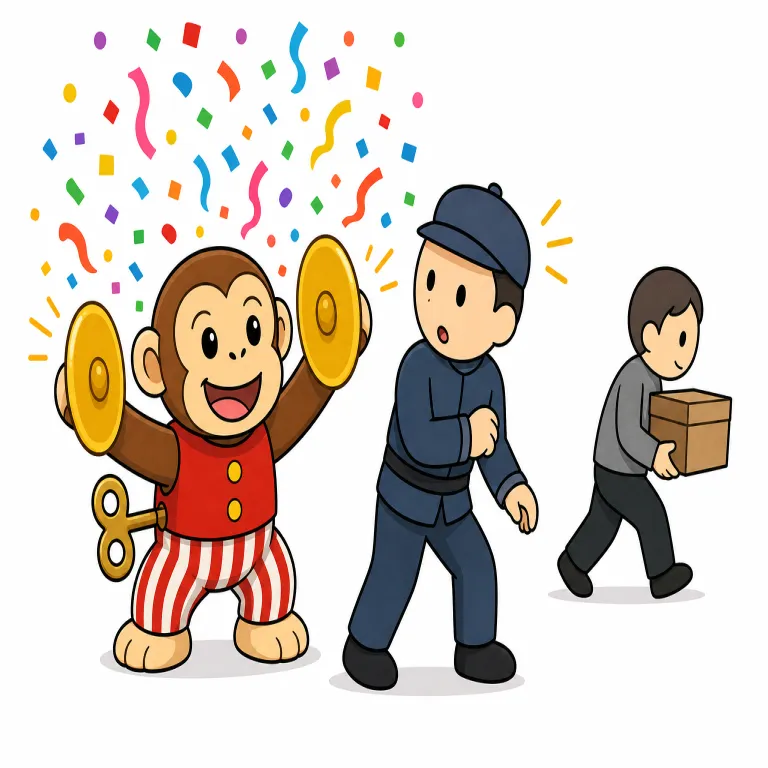
解説 Definition
相手の注意や関心を、本来重要な対象から外させるための行為や仕掛けを指す。軍事では主攻撃を隠すための陽動、日常では話題を変えてごまかす目くらましのように使う。意図的に相手の判断や視線をずらす含みが強い。
This is an intentional action or trick that draws someone’s attention away from the real target or important issue. It may be used in military operations, arguments, or other situations to hide what is actually happening.
覚え方のコツ Memory Tip
diversion は「相手の注意を本命から別方向へそらす仕掛け」と考えると覚えやすいです。気晴らしのように自分の退屈を紛らわせる語義とは切り分けて、敵や相手の視線をずらすための陽動・目くらましが中心。a diversionary attack とつなげれば、主攻撃を隠すための別行動というイメージが残ります。start an argument as a diversion も実用的です。
Connect diversion with divert, meaning to turn something aside. Imagine a minor attack or sudden argument pulling attention away from the real plan.
例文
The attack on the bridge was only a diversion.
その橋への攻撃は単なる陽動だった。
She started an argument as a diversion.
彼女は目くらましとしてわざと口論を始めた。
His joke was a diversion from the real issue.
彼の冗談は、本当の問題から注意をそらすための目くらましだった。
迂回、進路変更
(意味 3)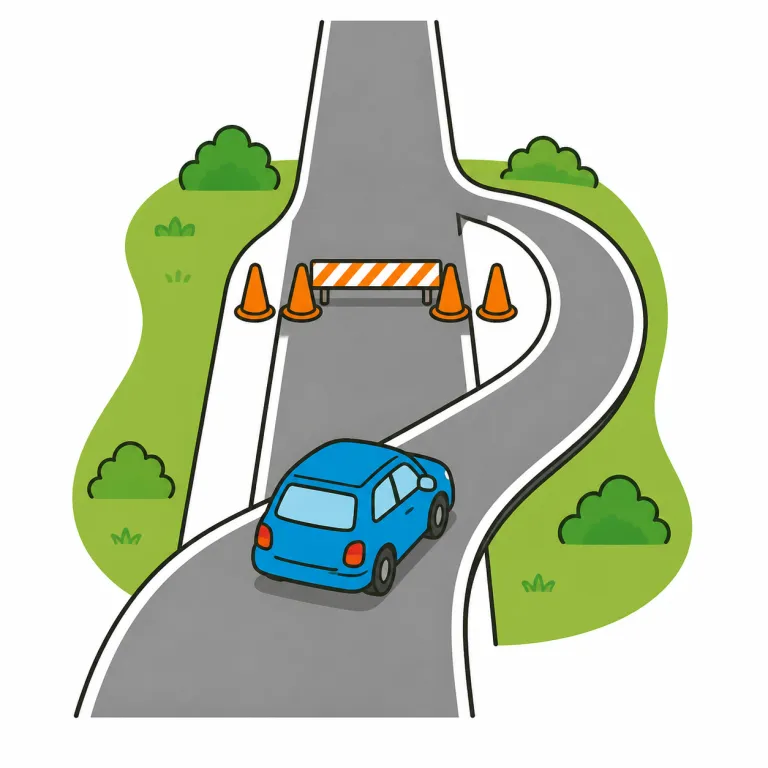
解説 Definition
交通や経路、流れなどが、予定されていた道筋から別の方向へ変えられることを指す。道路工事による迂回や、飛行機・水流・資金などの行き先変更のように、本来の進路や配分が切り替わる場面で使う。一時的な誘導にも、計画的な振り替えにも用いられる。
A change that sends traffic, a flight, a flow of water, or resources away from their intended route or destination. It can also mean an alternative route used while the usual road is unavailable.
覚え方のコツ Memory Tip
diversion は、di-「離れて」+ version「向きを変える」と見て、本来の道から別方向へそらすことと捉えると覚えやすいです。道路工事で車を別ルートへ回す、嵐で飛行機が別の空港へ向かう、資金や水流の行き先を変える場面に合います。気晴らしの diversion は注意をそらす別語義ですが、この行では実際の経路・流れ・配分が「迂回、進路変更」する意味。traffic diversion, flight diversion のまとまりで覚えると定着しやすいです。
Picture a roadworks sign sending cars away from their usual route. Remember traffic diversion and flight diversion as examples of a change in direction or destination. The same image helps with water or money being directed elsewhere.
例文
Police set up a diversion around the accident site.
警察は事故現場の周辺に迂回路を設けた。
The storm forced a diversion to Osaka.
嵐のため、その便は大阪へ進路を変更した。
The highway diversion added twenty minutes to our trip.
高速道路の迂回で私たちの移動時間は20分増えた。
陽動、目くらまし
(意味 4)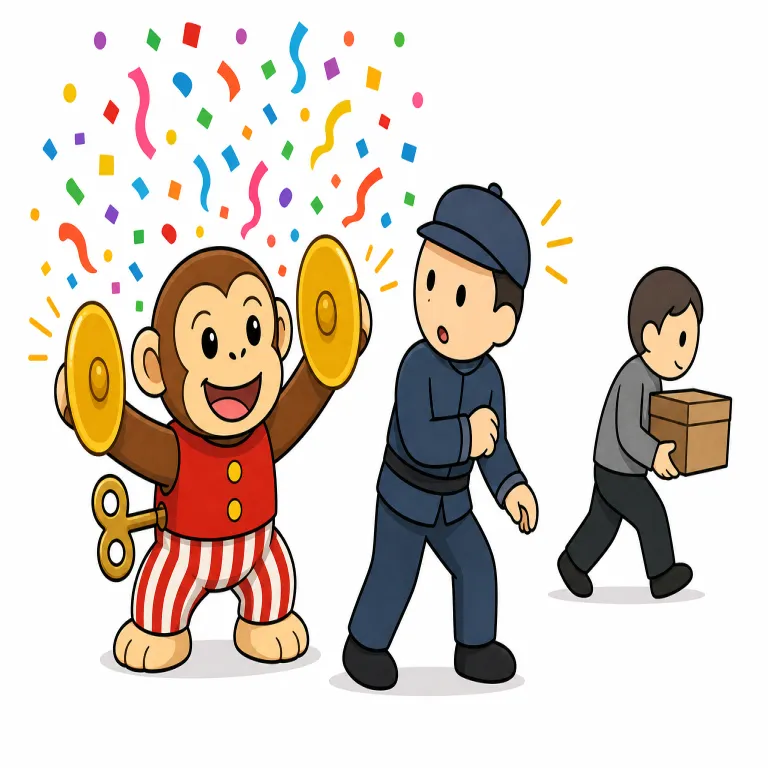
解説 Definition
相手の注意や関心を、本来重要な対象から外させるための行為や仕掛けを指す。軍事では主攻撃を隠すための陽動、日常では話題を変えてごまかす目くらましのように使う。意図的に相手の判断や視線をずらす含みが強い。
An action or trick intended to draw someone's attention away from something important. It can hide a main military attack or help someone avoid facing the real issue.
覚え方のコツ Memory Tip
diversion は「相手の注意を本筋から別方向へそらす仕掛け」と捉えると覚えやすいです。divert(向きをそらす)の名詞形で、軍事なら本隊を隠すための攻撃、日常なら本題をごまかすための口論のように、意図的に視線や判断をずらします。気晴らしの diversion は自分の退屈や悩みをそらす語義ですが、この行では相手をだますための「陽動、目くらまし」。create a diversion, only a diversion の形で覚えると定着しやすいです。
Connect diversion with divert, meaning to turn attention in another direction. Picture a staged disturbance that makes guards look away from the entrance they are protecting. Remember the phrase 'create a diversion.'
例文
The attack on the bridge was only a diversion.
その橋への攻撃は単なる陽動だった。
She started an argument as a diversion.
彼女は目くらましとしてわざと口論を始めた。
His joke was a diversion from the real issue.
彼の冗談は本当の問題から目をそらすためのものだった。
迂回、進路変更
(意味 5)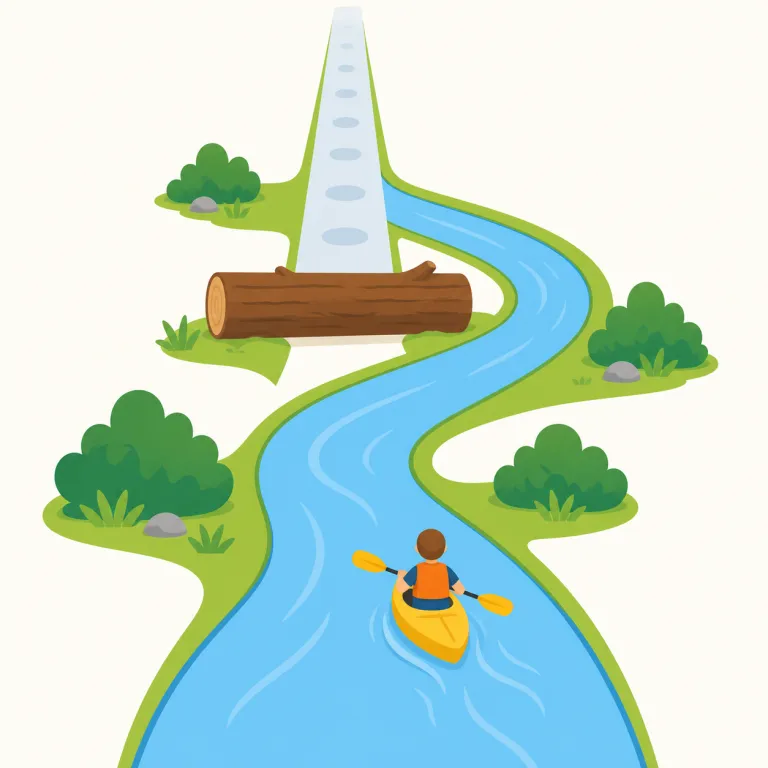
解説 Definition
交通や経路、流れなどが、予定されていた道筋から別の方向へ変えられることを指す。道路工事による迂回や、飛行機・水流・資金などの行き先変更のように、本来の進路や配分が切り替わる場面で使う。一時的な誘導にも、計画的な振り替えにも用いられる。
This is a change that redirects traffic, a flight, water, money, or another flow away from its expected route or destination. It may be a temporary detour or a planned transfer to a different path.
覚え方のコツ Memory Tip
diversion は「本来のルートから別方向へそらすこと」と捉えると覚えやすいです。気晴らしの diversion ではなく、道路・飛行機・水・資金などの流れが予定の進路から外される場面を想像する。divert(向きをそらす)の名詞形なので、road diversion, flight diversion, diversion of funds のように、行き先が切り替わるまとまりで覚えると定着します。
Connect diversion with divert, meaning to turn something away from its original direction. Picture traffic, an aircraft, or a stream being sent along a different route.
例文
Police set up a diversion around the accident site.
警察は事故現場の周辺に迂回路を設けた。
The storm forced a diversion to Osaka.
嵐のため、その便は大阪へ進路変更した。
The highway diversion added twenty minutes to our trip.
高速道路の迂回で私たちの移動時間は20分増えた。
diversion の類義語・関連語
diversion の語源・成り立ち Etymology
diversionはラテン語divertere「脇へ向ける」由来で、dis-「離れて」+ vertere「向ける・回す」に分けられます。元は本筋から進路をそらすことなので、「転用」や「気晴らし」の意味が生まれました。divertやconvertも同じvertereに連なる語です。
`Diversion` comes from Latin `divertere`, meaning to turn aside. It is made from `dis-`, meaning away, and `vertere`, meaning to turn. The word first suggested moving something off its main course, and from that came meanings like redirecting attention or providing amusement. Related words include `divert` and `convert`.
同じレベルの語彙をもっと
TOEIC 860の一覧へ →外部辞書で調べる
この英単語をクイズで覚えよう