意味一覧 (3件)
気晴らし
解説 Definition
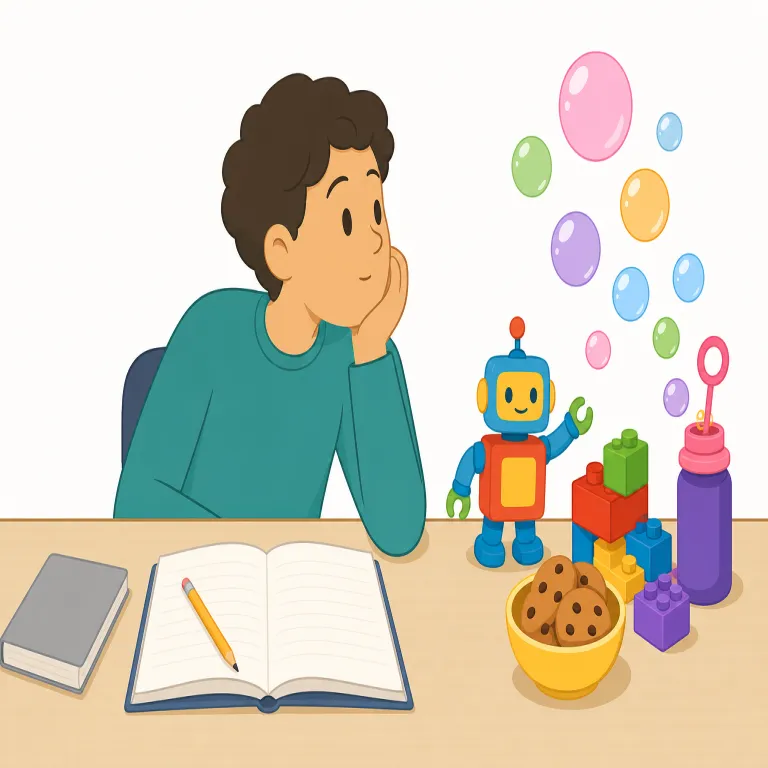
気晴らし(きばらし)とは、退屈や心配から逃れるために行う楽しい活動のことです。また、注意や集中力をそらす何かを意味する名詞です。
A distraction is something that takes your attention away from what you are doing or should be doing. It can be a person, sound, thought, or activity. The word is often used when talking about losing focus, but it can also mean a pleasant break from worry.
覚え方のコツ Memory Tip
distract「気を散らす」を知っていれば、その名詞形が distraction。まず「集中をそらすもの」と押さえると覚えやすいです。勉強中なら phone notifications are distractions. のように使えます。そこから「悩みを忘れさせるもの」→「気晴らし」に意味が広がると整理すると定着しやすいです。a welcome distraction は「よい気晴らし」。disturbance や interruption は単なる邪魔ですが、distraction は“注意が別の方向へ向く”感じが中心です。
A `distraction` pulls your mind away from something heavy for a while. Think of the verb `distract`: stress is still there, but your attention moves somewhere else. Learn phrases like `a distraction from stress` or `a welcome distraction`.
例文
Playing games is a good distraction from daily stress.
ゲームをすることは、日々のストレスを忘れるよい気晴らしになる。
He needed a distraction to take his mind off the problem.
彼は問題から心をそらすための気晴らしが必要だった。
The loud noise was a major distraction during the exam.
試験中、その大きな音のせいでなかなか集中できなかった。
気を散らすもの
(意味 2)
解説 Definition
集中したいときに注意を別の方向へ向けさせる人・物・出来事を指します。勉強や仕事の場面で、音や通知、周囲の動きなどが集中の妨げになる文脈でよく使われます。
This noun refers to a person, object, sound, or event that draws attention away from what someone should be doing. Phone notifications and background noise can be examples during study or work.
例文
Turn off your phone so it won't be a distraction during class.
授業中に気が散らないよう、スマホの電源を切りなさい。
The noise from the street was a major distraction while I was studying.
勉強中、通りの騒音が大きな妨げになった。
She removed every distraction from her desk before starting work.
彼女は仕事を始める前に、机の上から気を散らすものをすべて片づけた。
えいたんごクイズでの正答率
この語をはじめて出題された 33人 のうち 22人 が正解しました(67%)。
えいたんごクイズの回答から集計した独自データです。1人につき最初に出題されたときの1回だけを数えており、復習や2回目以降の回答、「わからない」と時間切れは含みません。 集計時点は 2026年9月19日 です。
注意散漫
(意味 3)
解説 Definition
注意が一つのことに向かず、気があちこちにそれてしまう状態を表します。人の集中力の欠如や、落ち着かず作業効率が下がっている様子を述べるときによく使われます。
This noun describes a state in which a person’s attention keeps moving away from the main task. It can result in poor concentration, missed details, and less effective work.
覚え方のコツ Memory Tip
distract「気を散らす」の名詞形として、distraction はここでは「気が散っている状態」と押さえると覚えやすいです。phone notifications が distraction「気を散らすもの」になる結果、本人の頭の中では注意が一つに集まらず、distraction「注意散漫」が起こります。a welcome distraction の「気晴らし」とは切り分けて、集中がばらけた状態を表す語として覚えましょう。
Think of distract, meaning to pull attention away, and remember distraction here as the resulting mental state. Keep it separate from the sense of an outside thing that interrupts you or a pleasant activity that takes your mind off a worry.
例文
Lack of sleep can leave students prone to distraction in class.
睡眠不足で、授業中に注意散漫になりやすくなることがある。
His distraction made him miss an important detail.
彼が注意散漫だったせいで、大事な細部を見落とした。
The teacher noticed signs of distraction among the students during the lecture.
先生は講義中、生徒たちに注意散漫な様子が見られることに気づいた。
distraction の類義語・関連語
distraction の語源・成り立ち Etymology
distraction はラテン語 distrahere「引き離す」が語源で、dis-「離れて」+ trahere「引く」から成り、-tion で名詞化した語です。attract や traction も同根で、注意が本筋から引っぱり去られるから「気晴らし・注意散漫」になると見えます。
Distraction comes from Latin distrahere, meaning "to pull apart," from dis- "apart" and trahere "to pull." In English, it first had the sense of being drawn away or separated in mind. That developed into the modern idea of attention being pulled away from what matters. Related English words include attract, contract, and traction.
同じレベルの語彙をもっと
外部辞書で調べる
この英単語をクイズで覚えよう