えいたんごクイズ
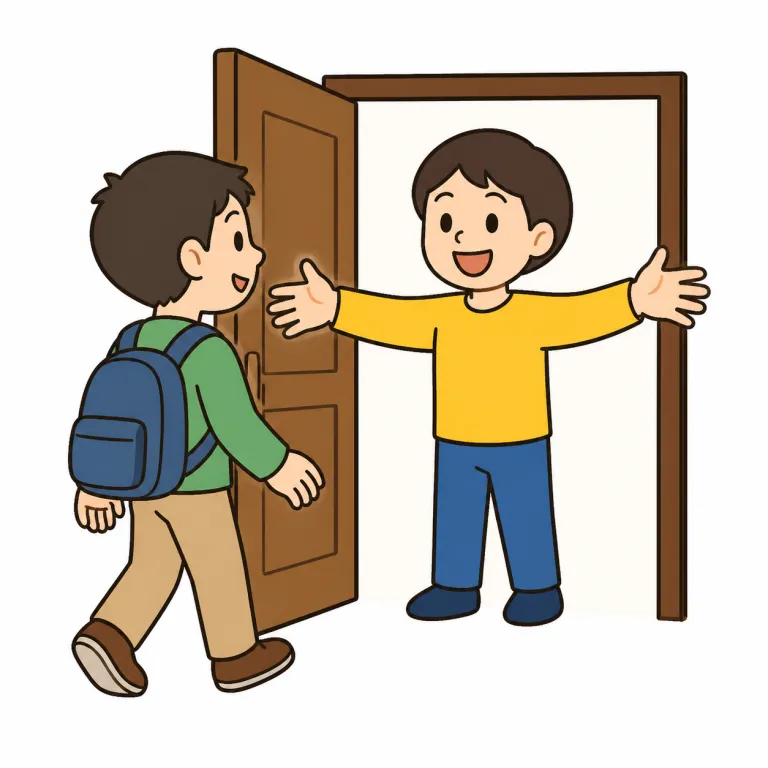
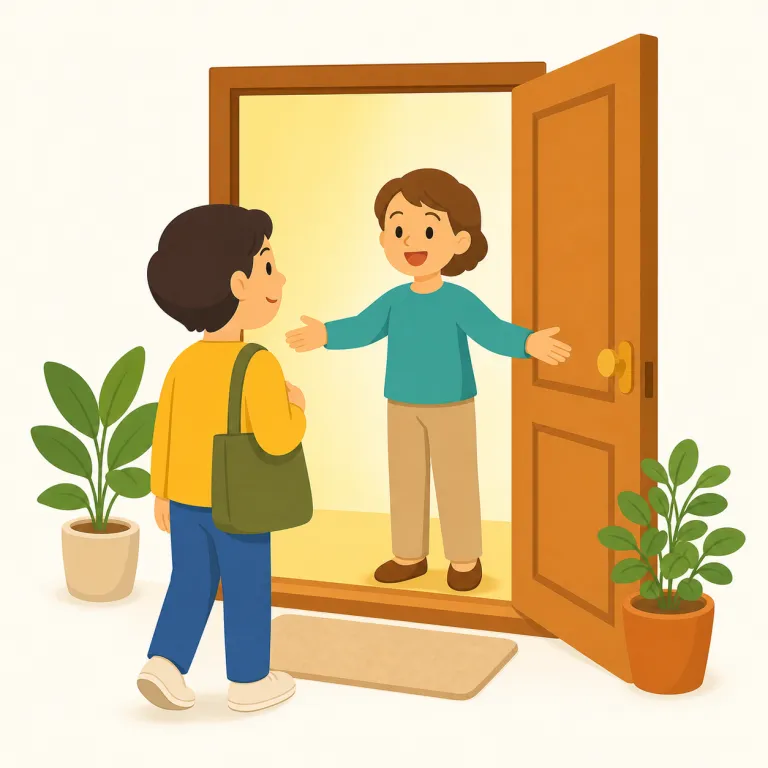
welcome(ようこそ・間投詞)の覚え方イラスト — Welcome! は「来てくれてうれしい」という入口の札を声にした表現、とイメージすると定着しやすいです

welcome

/ˈwɛlkəm/

welcome は英検5級・英検4級・英検2級レベルの英単語で、「ようこそ、歓迎される、歓迎する」という意味があります。発音記号は /ˈwɛlkəm/ です。

意味一覧 (3件)

interjection

ようこそ

解説 Definition

到着した相手をその場に迎え入れる瞬間の挨拶です。店・学校・国・イベントの入口表示や司会の第一声に向き、相手が「ここにいてよい」と感じる空気を作ります。動詞の動作より、看板や一言で場を開く定型句として使われます。

“Welcome” is a friendly greeting used when someone arrives at a place, event, school, store, or organization. It helps show that the person is accepted and invited to be there. As an interjection, it is often used on signs or at the start of a speech, not mainly as an action verb.

覚え方のコツ Memory Tip

Welcome! は「来てくれてうれしい」という入口の札を声にした表現、とイメージすると定着しやすいです。Welcome to Kyoto / our class のように、to の後へ迎え入れる場所・組織・催しを置きます。相手に何かを命じる Come in. とは違い、到着を認めて場を開く合図です。返答の You're welcome. は「どういたしまして」という別の決まり文句なので、このレコードでは最初の「ようこそ」に絞って覚えましょう。

Think of “Welcome!” as a sign at the entrance that says, “We are glad you came.” Use “welcome to” before the place, group, or event that is receiving someone, as in “Welcome to our class.” It is different from “Come in,” which tells someone to enter. “You’re welcome” is another fixed phrase meaning “どういたしまして,” so keep this record focused on the greeting “ようこそ.”

例文

Welcome to our school!

私たちの学校へようこそ。

Welcome, everyone, and thank you for coming tonight.

皆さん、ようこそ。今夜はお越しいただきありがとうございます。

The sign at the entrance said, “Welcome to Kyoto.”

入口の看板には「京都へようこそ」と書かれていました。

adjective

歓迎かんげいされる

(意味 2)

解説 Definition

形容詞の welcome は、人や提案、変化、知らせなどが相手に喜ばれて受け入れられることを表す。A welcome change や Your help is welcome のように使われ、単に許されるだけでなく、あってうれしい、望ましいという前向きな響きを含む。

In this sense, `way` means a method, manner, or way of doing something rather than a physical road. It is common in everyday patterns such as `the best way to do it` and `a way of thinking`. Compared with `method`, it sounds more natural and less formal in ordinary conversation.

覚え方のコツ Memory Tip

welcome はまず名詞・形容詞の「ようこそ」「歓迎される」を知っておくと、動詞でも「相手を welcome な状態にする」と発想できて覚えやすいです。invite が「来るよう誘う」、greet が「あいさつする」、accept が「受け入れる」なのに対し、welcome は「来訪・参加・提案をうれしく受け入れる」温かさが中心。Welcome to ..., welcome a new member, welcome the change のように、人物・参加・変化の3場面でまとめて覚えると定着します。

A useful image is a path leading to a goal. When you think about `way` as the route from start to finish, it naturally expands from a real road to a method or style of doing something. Patterns like `a way to do` and `a way of -ing` are especially common and worth fixing in memory.

例文

Visitors are always welcome here.

ここでは訪問者はいつでも歓迎される。

Your questions are welcome at any time.

あなたの質問はいつでも歓迎される。

The cool breeze was a welcome change after the heat.

その涼しい風は暑さのあとにはありがたい変化だった。

verb

歓迎かんげいする

(意味 3)

解説 Definition

人の到着・加入・申し出などを好意的に受け入れ、喜んで迎える動作を表す動詞です。客を迎える場面から、feedback や change のような抽象的なものを前向きに受け止める用法へ広がります。挨拶の Welcome! と同じ「迎え入れる」発想です。

To welcome someone means to greet them warmly and make them feel accepted or wanted. It is often used when a person arrives, joins a group, or enters a new place. It can also mean to gladly accept an idea, change, or opportunity.

覚え方のコツ Memory Tip

動詞 welcome は「来たものに扉を開け、温かく受け入れる」と考えると使い分けやすいです。welcome guests なら客をもてなして迎える、welcome new members なら仲間として受け入れる、welcome suggestions なら提案をありがたく聞く、という具合です。invite は来る前に誘うこと、greet は会った瞬間に挨拶すること、accept は受け入れの事実だけを言えます。welcome には、その受け入れをよいものとして喜ぶ響きがあります。

Think of welcome as making someone or something feel welcome. It is warmer than invite, which only means asking someone to come, and warmer than accept, which only means receiving. Remember it in three patterns: welcome a guest, welcome a new member, welcome a change.

例文

The host warmly welcomed the guests at the entrance.

ホストは入口で客たちを温かく迎えた。

We welcome any feedback to improve our service.

私たちはサービス向上のためのご意見を歓迎します。

The town welcomed the new mayor with a celebration.

町は祝賀会を開いて新市長を歓迎した。

welcome を含む表現

句動詞・イディオムなど 3 件。クリックで各表現の詳細へ。

welcome の語源・成り立ち Etymology

古英語 wilcuma に由来し、wil-「望み・喜び」と cuma「来る人・客」が結びついた語です。もとは「来てうれしい人」を迎える感覚から、挨拶表現にも広がりました。

“Welcome” comes from Old English “wilcuma,” made from ideas like “wish” or “pleasure” and “guest” or “person who comes.” It first meant someone whose coming was pleasing, and later became a greeting for receiving people.

外部辞書で調べる

この単語をシェア

この単語を英単語クイズで覚えよう